
Blooming
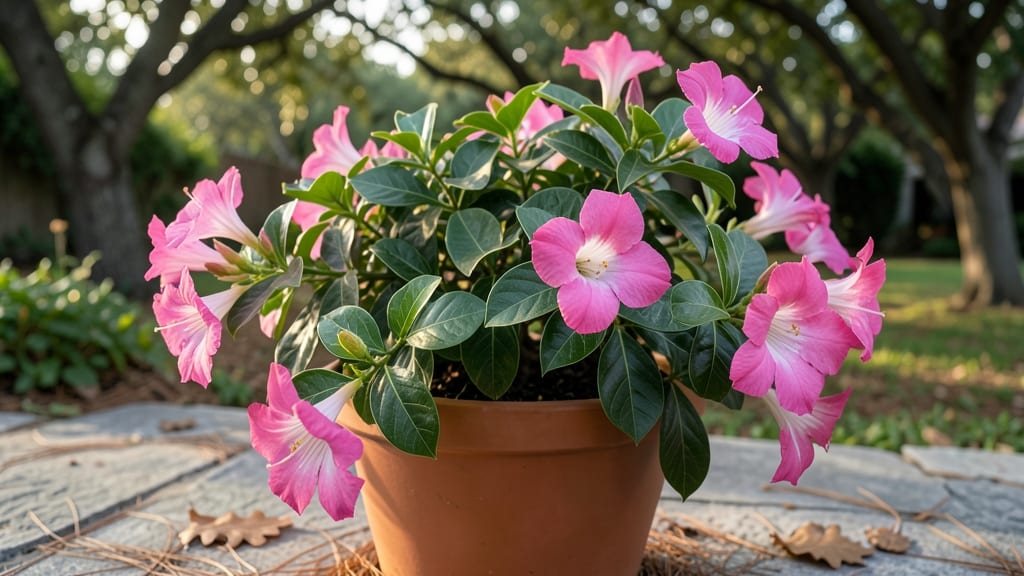
The Mandevilla bloom time transforms your patio into a tropical paradise 🌸 when temperatures hit 65°F or warmer—a heat-triggered cycle that, if timed right, makes every season feel like summer.
But here’s the catch: one late frost or skipped fertilizer step, and your plant might skip its spring-to-fall bloom window entirely. I’ve seen Mandevillas in Zone 9b burst into color by May, while others in cooler microclimates wait until July—or never show up at all.
That’s why understanding the three heat-dependent bloom stages (bud formation, peak bloom, and post-flowering) is the key to unlocking those iconic trumpet-shaped blooms year after year.
In this guide, I’ll break down the exact temperature ranges, sunlight tricks, and care hacks to extend your Mandevilla’s bloom time—plus how to rescue it if frost sneaks in before the flowers even appear.
Mandevilla bloom stages: when & how heat triggers flowering
Your Mandevilla vine thrives on warmth, and its three distinct bloom stages are directly tied to temperature. Without the right heat exposure (65–90°F), buds may fail to form—or worse, the plant could enter premature dormancy.
Understanding these stages helps you time care routines perfectly for longer, more vibrant blooms every season.
Each stage requires specific conditions: bud formation needs steady warmth, peak bloom thrives in full sun, and post-flowering care prevents stress. Miss the mark, and you’ll see fewer flowers or leggy vines. Let’s break down what triggers each phase and how to optimize them.
🌱
| Stage | Temperature Range | Sunlight Needs | Key Visual Cues | Care Focus |
|---|---|---|---|---|
| Bud Formation | 65–75°F | 6+ hours/day | Tight green buds | Fertilize with 10-10-10 |
| Peak Bloom | 75–90°F | Full sun (8+ hours) | Open trumpet blooms | Deadhead spent flowers |
| Post-Flowering | 60–70°F | Partial shade | Brown seed pods | Prune leggy growth |
The first stage, bud formation, kicks off when temperatures consistently stay above 65°F. This is when your Mandevilla shifts from vegetative growth to reproductive mode. If nights dip below 60°F, buds may drop off—so monitor forecasts in spring and fall.
During this phase, ensure your plant gets 6+ hours of sunlight daily. Place containers near a south-facing window or move them outdoors after frost risk passes. Supplement with a grow light if indoors to maintain energy for bud development.
🌿
Once buds form, your Mandevilla enters peak bloom, its most stunning phase. This happens when daytime temps hit 75–90°F—ideal for tropical and subtropical zones (USDA 9–11).
In cooler areas, extend bloom time by using black plastic mulch to warm soil or moving pots to a sunny patio.
At this stage, blooms open fully in the morning and last 3–5 days. To prolong flowering, deadhead spent blooms weekly and avoid overwatering, which stresses the plant. A balanced fertilizer (10-10-10) applied every 4–6 weeks keeps nutrients flowing.
☀️
The final stage, post-flowering, begins as blooms fade and seed pods form. This is your cue to prune back leggy vines by 1/3 to encourage bushier growth next season. Reduce watering slightly and shift to partial shade to prevent heat stress.
If your Mandevilla isn’t blooming by late spring, check for these common issues: overcrowded roots, low light, or nutrient deficiency. Repot if roots circle the container, and move it to a sunnier spot immediately.
🪴
Pro tip: Heat-loving varieties like Mandevilla ‘Alice DuPont’ bloom year-round in Zone 10+, while ‘Amethyst’ thrives in partial shade but still needs warmth. Tailor care to your specific cultivar for the best results.
Frost survival tips: how to protect Mandevillas before & after bloom
Mandevillas thrive in warm climates (USDA zones 9-11) and can't survive frost, but with the right prep, you can extend their lifespan. The key is gradual cold-hardening and protective measures—especially critical when blooms appear in late summer to fall.
Even a light frost can damage tender leaves and buds, so proactive steps are essential.
Your first line of defense is understanding your local frost dates. Mandevillas typically bloom from June through October, but early frosts in Zone 8 or cooler can strike before they finish flowering.
I’ve learned the hard way that waiting until the last minute to protect them leads to brown, mushy stems—a sure sign of irreversible damage.
Start 6-8 weeks before frost with gradual acclimation. Move potted Mandevillas to a shadier, cooler spot during the day and bring them indoors at night. For in-ground plants, reduce watering to slow growth and apply 2-3 inches of mulch around the base to insulate roots.
This mimics their natural dormancy period in tropical winters.
For emergency frost protection, cover plants with frost blankets or burlap sacks secured with clips. Avoid plastic sheets—they trap moisture and cause rot. If temperatures dip below 32°F (0°C), add styrofoam cups filled with hot water near the base to radiate warmth.
I’ve used this trick to save container Mandevillas during unexpected late-season frosts in Zone 9.
After frost damage, check for blackened leaves or wilting vines. Prune affected areas with sterilized shears and monitor for new growth. If the plant is still alive but struggling, overwinter indoors under grow lights (12+ hours daily) and resume care in spring.
Outdoor overwintering only works in Zones 10-11 with heavy mulch and windbreaks.
Pro tip: Divide and propagate healthy Mandevillas before winter. Take 4-6 inch cuttings, root them in water or perlite, and overwinter indoors. This ensures you’ll have new plants ready to bloom next season while protecting your original vine.
With these strategies, you can preserve your Mandevilla’s beauty year-round, even in colder climates. 🌿