
Blooming
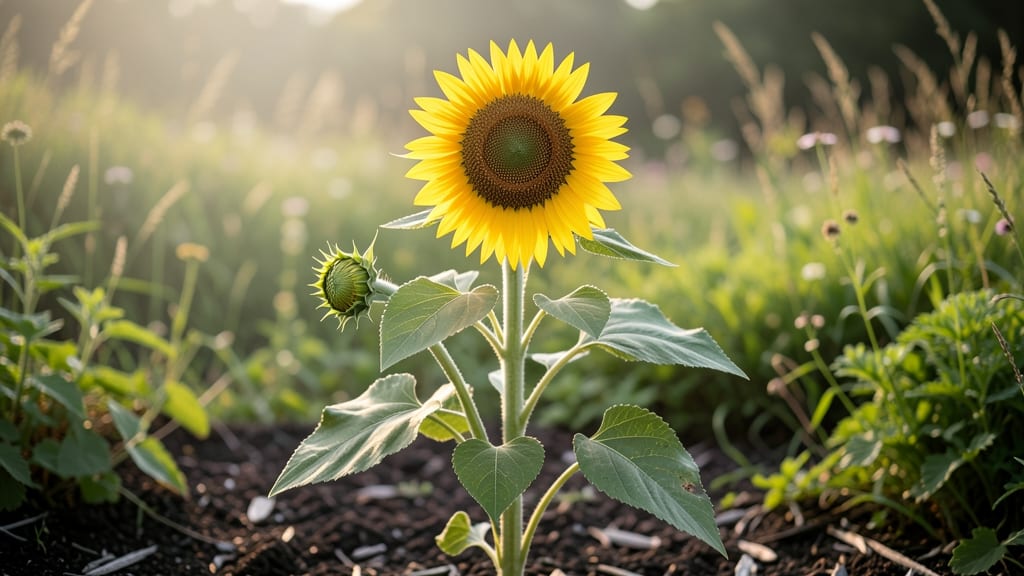
Sunflowers that keep blooming all summer? 🌻 The cut-back trick for multiple bloom sunflowers turns one-time showstoppers into nonstop purple spikes that last from June to frost.
I discovered this technique after my first sunflower bolted before I could even enjoy it—and now my garden stays golden (or purple, if you choose the right variety) for months. You’ll need dwarf or reblooming varieties like 'Moulin Rouge' or 'Autumn Beauty', which naturally produce multiple flowers per stem.
Plant them in full sun with well-draining soil, and water deeply once a week—never let the soil dry out completely. The real magic happens when you snip back spent blooms at the base; this sends energy into side shoots, triggering a second (or third!) flush of flowers.
By mid-July, you’ll see new buds forming along the stem, and those purple spikes will keep coming until fall. The plants stay compact, making them perfect for small gardens or containers, and the continuous blooms attract pollinators all season long.
Here’s the secret: prune early, prune often, and don’t fertilize after mid-summer—too much nitrogen late in the season can stall reblooming. With this method, your sunflowers won’t just be a one-hit wonder—they’ll be the star of your garden all summer.
📚 In This Guide
- What you need
- Instructions
- Tips and common mistakes
- Wrapping up and next steps
What you need
- ● Multiple bloom sunflower seeds or plants: Choose varieties like 'Moulin Rouge' or 'Autumn Beauty' (2–5 plants for best results).
- ● Well-draining potting mix: 1–2 bags (10–15 lbs each) of high-quality, organic soil with perlite or sand for aeration.
- ● Containers or garden bed: Containers: 5–10 gallon pots (1 per plant) with drainage holes.
- ● Garden bed: Full sun (6+ hours/day) and loose, fertile soil.
- ● Balanced fertilizer: 10-10-10 or 20-20-20 (1–2 tbsp per plant, diluted in water).
- ● Pruning shears: Sharp, clean pair (sterilize with rubbing alcohol between cuts).
- ● Watering can or hose: With a gentle spray nozzle for hydration.
- ● Growth booster: Seaweed extract or compost tea (1 tsp per gallon of water) to encourage regrowth.
- ● Support stakes: 3–4 ft bamboo stakes (1 per plant) to stabilize tall stems.
- ● Mulch: Straw or shredded leaves (2–3 inches) to retain moisture.
- ● Garden gloves: For protection while pruning.
How to encourage multiple blooms on sunflowers
Here's the simple trick I use to turn single-stem sunflowers into lush, multi-blooming plants.
🌱 Step 1: Start With Healthy Seedlings
Choose strong, disease-free sunflower seedlings with 4-6 true leaves for best results. I always plant in well-draining soil and provide full sun (6+ hours daily) from the start. Weak or leggy plants won't recover well from pruning later.
Water deeply at the base when the top 1-2 inches of soil feel dry. Avoid wetting leaves to prevent fungal issues. The stronger the plant, the more blooms it'll produce after pruning.
✂️ Step 2: Prune the First Flower Head
When the main flower bud swells to about 1 inch wide, use clean, sharp pruning shears to cut it off just above a set of leaves. This might seem counterintuitive, but it redirects the plant's energy to side shoots instead of one giant bloom.
I always make the cut at a 45-degree angle just above a leaf node. This prevents water from pooling on the stem and reduces disease risk. Don't worry—new shoots will emerge within 2-4 weeks.
☀️ Step 3: Fertilize and Support New Growth
After pruning, feed your sunflower with a balanced 10-10-10 fertilizer to encourage strong side shoots. I mix it at half-strength to avoid burning the plant. Water thoroughly after applying to help nutrients reach the roots.
As new shoots grow, they may need support. I use small stakes or a tomato cage to keep them upright. The more stable the plant, the more energy it can put into producing additional blooms.
🌿 Step 4: Repeat Pruning for Multiple Blooms
Once side shoots reach 12-18 inches tall and develop their own flower buds, repeat the pruning process. Cut off the first bud that appears on each side shoot, just like you did with the main stem.
You'll see a cascade of new growth within 2-3 weeks. With this method, a single sunflower plant can produce 3-5 blooms instead of just one. The key is patience—each round of pruning takes time, but the results are worth it.
⏰ Step 5: Maintain Through Blooming Season
Continue watering deeply 1-2 times per week, depending on your climate. Purple sunflowers (like 'Moulin Rouge') thrive in warm but not scorching temperatures (70-85°F). If your area gets hotter, provide afternoon shade to prevent stress.
Deadhead spent blooms by cutting the stem just below the flower head. This encourages the plant to produce even more flowers. With proper care, your sunflower can keep blooming for 6-8 weeks instead of just a few days.
Tips & tricks for perfect sunflower pruning
Here's what nobody tells you about maximizing those stunning purple spikes—these tricks make all the difference.
Timing is Everything: Wait until that main flower bud reaches exactly 1 inch wide before pruning in Step 2. Any smaller, and you risk stunting the plant's growth; any larger, and you've already wasted energy on a bloom that won't develop properly. I've learned this the hard way after seeing plants struggle to recover when pruned too early or too late.
Pruning Precision: That 45-degree angle cut in Step 2 isn't just for looks—it's a disease prevention strategy. The angled cut prevents water from pooling on the stem, which keeps fungal infections at bay. Use clean, sharp pruning shears every time, and always cut just above a leaf node to encourage new growth from that exact spot.
Fertilizer Dosage: When you apply that 10-10-10 fertilizer in Step 3, remember to mix it at half-strength. Full-strength fertilizer can burn your sunflower's roots, especially in hot weather. I've seen plants wilt dramatically after over-fertilizing, so when in doubt, dilute it further. The goal is to encourage growth, not shock the plant.
Sunlight Strategy: While sunflowers love full sun, the 70-85°F temperature range in Step 5 is their sweet spot. If your area gets hotter than 85°F, provide afternoon shade to prevent stress. I've noticed my sunflowers produce more blooms when they're not struggling to stay cool during peak heat—it's all about balance.
Pro Tips for Multiple Bloom Sunflowers
- Here's what nobody tells you about maximizing those stunning purple spikes—these tricks make all the difference.
- Timing is Everything: Wait until that main flower bud reaches exactly 1 inch wide before pruning in Step 2.
- Pruning Precision: That 45-degree angle cut in Step 2 isn't just for looks—it's a disease prevention strategy.
Frequently asked questions
Got questions about growing multiple bloom sunflowers? You’re not alone! Here are some of the most common queries—and their answers—to help you master the cut-back trick for endless purple spikes.
How often should I cut back my sunflowers for multiple blooms?
Trim the spent blooms right after they fade—usually every 2–4 weeks, depending on your climate. Avoid cutting too early (before the bloom opens) or too late (after it fully wilts). Consistency is key! For purple sunflowers, aim for a balanced approach: let 1–2 blooms fully mature for seeds, then snip the rest to encourage regrowth.
Will cutting back delay the next bloom?
Yes, but only slightly! The first regrowth may take 4–6 weeks to produce new buds, especially in cooler weather. To speed things up, ensure your sunflowers get 6+ hours of sunlight and well-draining soil. Pro tip: Fertilize lightly with a balanced 10-10-10 mix after pruning to boost recovery.
Can I do this trick in hot or cold climates?
but timing matters! In hot climates, cut back in early morning or late evening to avoid stressing the plant. In cool regions, wait until after the first frost risk passes (or grow in containers to move indoors). Purple sunflowers thrive in USDA zones 2–11, but they’ll need extra care at the extremes.
What if my sunflower only grows leaves after cutting?
Don’t panic—this is normal! Your plant is redirecting energy to foliage and roots before flowering again. To encourage blooms, pinch off any terminal buds (the topmost leaf clusters) to force side shoots. If growth stalls, check for underwatering or nutrient deficiencies (yellow leaves = nitrogen; weak stems = phosphorus).
Are there alternatives to cutting for more blooms?
Yes! Try these low-maintenance methods:
- Deadheading: Snip off only the faded bloom (not the stem) to redirect energy to side shoots.
- Thinning: Remove weaker stems early to give remaining plants more resources.
- Succession planting: Sow new seeds every 2 weeks for a continuous display.
Wrapping up and next steps
Growing multiple bloom sunflowers with vibrant purple spikes isn’t just possible—it’s a rewarding gardening adventure! By mastering the cut-back trick, you can extend their blooming season and enjoy a stunning display for weeks.
Whether you’re a seasoned gardener or just starting out, this simple technique turns one-time bloomers into nonstop showstoppers.
Ready to transform your garden? Grab your pruners and give it a try—your future sunflowers will thank you! 🌻💜 Next step: Pick a sunny spot, plant your seeds, and start experimenting with the cut-back method. Happy gardening!