
Blooming
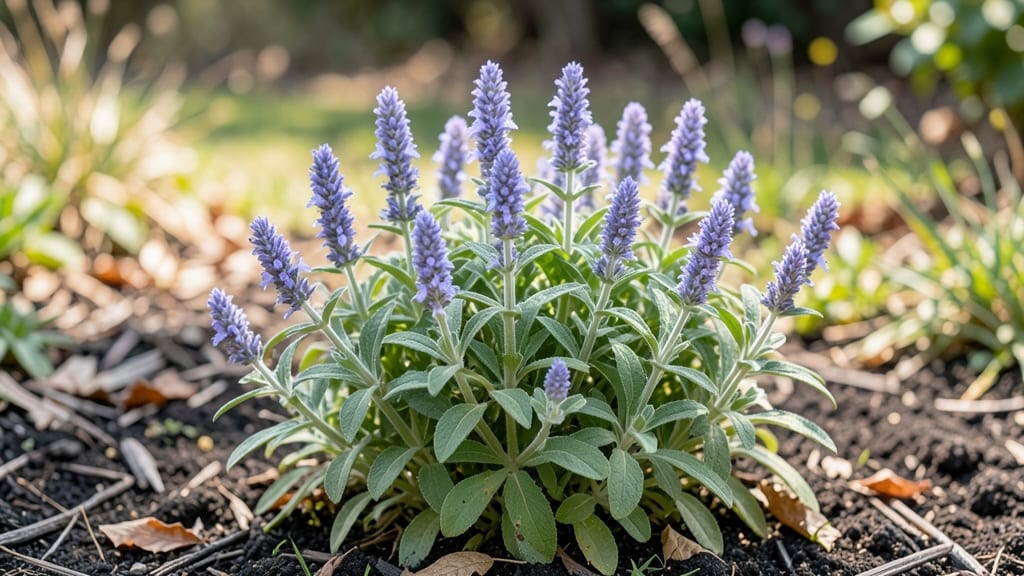
Your nepeta bloom time stretches from late spring through early fall—unless frost hits, when these purple spikes rebound harder than most perennials. 💜 I've watched my catmint shrug off winter, then burst into flower again like it never left, even in Zone 5 where most plants call it quits.
The secret lies in its cold hardiness: Nepeta thrives in zones 3-9, meaning it survives winters that would kill tender perennials. Prune back the frost-bitten stems in early spring, and within weeks, you'll see fresh growth pushing through—followed by those signature lavender blooms by May.
What makes this plant special is how it keeps flowering if you deadhead regularly. Snip spent spikes after each flush, and you'll enjoy continuous blooms from June until the first hard frost. The fragrance alone—herbaceous with a hint of mint—makes it worth growing.
Works as a border plant, in containers, or even as a low hedge. Here's how to coax the longest possible bloom season from yours!
📚 In This Guide
- What you need
- Instructions
- Tips and common mistakes
- Wrapping up and next steps
What you need
- ● Nepeta plants: 3–5 mature plants (for full coverage in a 3–4 ft. bed) or
- ● Seeds (1–2 oz. for a 10 ft. row, sown ¼" deep)
- ● Well-draining potting mix: 1–2 cubic feet (for containers) or amend garden soil with compost (1 part compost to 3 parts soil).
- ● Organic fertilizer: Balanced 10-10-10 (1 tbsp per plant at planting) or slow-release granules.
- ● Mulch: 2–3 inches of pine straw or shredded bark (to retain moisture and protect roots).
- ● Garden trowel or hand shovel (for transplanting)
- ● Pruning shears (sharp, sterilized for cutting back)
- ● Watering can or hose with a gentle spray nozzle
- ○ Gloves (optional but recommended for handling prickly stems)
- ○ Garden stakes or rings (optional, for support in windy areas)
- ● Sunlight: Full sun (6+ hours daily) or partial shade (4–6 hours) in hot climates.
- ● Hardiness Zone: USDA Zones 3–9 (cold-hardy but benefits from winter mulch in Zone 3).
- ● Soil pH: Slightly alkaline to neutral (6.0–7.5). Test soil or amend with lime if needed.
- ● Spacing: 18–24 inches apart (for air circulation and rebound blooms).
- ● Drought-resistant ground cover (e.g., sedum) to suppress weeds.
- ● Slow-release fertilizer spikes (for low-maintenance feeding).
- ● Decorative rocks or gravel (to enhance drainage in containers).
- ● Frost cloth (for early spring protection in Zone 3).
How to time nepeta blooms for season-long color
This hardy perennial delivers purple spikes reliably—here’s how to coax the most from each season.
☀️ Step 1: Plant in Full Sun for Best Bloom Timing
Nepeta thrives in 6-8 hours of direct sun daily, which triggers its natural bloom cycle. I place mine in south-facing beds where they get morning light and afternoon warmth—this prevents the leggy growth that happens when they stretch for light. The first flush of purple blooms typically appears 6-8 weeks after planting, but this varies by variety.
Watch for new growth in early spring—this is your cue that the plant is waking up. If your garden has afternoon shade, choose varieties like 'Walker’s Low' which tolerates 4 hours of sun but still produces blooms. The key is consistent light exposure; even partial shade delays flowering by 2-3 weeks.
💧 Step 2: Water Deeply but Sparingly to Encourage Blooms
Nepeta’s drought tolerance is legendary, but deep watering once a week (or when the top 2 inches of soil feel dry) produces the most vibrant blooms. I water at the base in the morning to prevent fungal issues—never overhead once flowers appear. The secret to repeat blooming? Let the soil dry slightly between waterings; this stress actually triggers more flower buds.
You’ll notice the first flush of blooms after 6-8 weeks of growth, but if you keep the plant slightly thirsty, it will produce 3-4 bloom cycles per season. Overwatering leads to lush foliage but fewer flowers, and the stems become weak. I always check soil moisture by hand—if it’s damp more than 1 inch down, I wait before watering again.
✂️ Step 3: Deadhead and Prune for Extended Bloom Time
The moment you see spent blooms turning brown, snip them back to just above the next set of leaves. I use clean pruners and make the cut at a 45-degree angle to prevent water from pooling on the stem. This encourages the plant to produce new flower spikes within 2-3 weeks, extending the bloom season by 4-6 weeks total.
After the first major bloom cycle (usually late spring to early summer), give your nepeta a light trim to shape it. Cut back one-third of the oldest stems to encourage fresh growth from the base. This rejuvenation step ensures a second flush of blooms in late summer, even after summer heat.
🌿 Step 4: Protect and Prepare for Frost Rebloom
Nepeta’s cold hardiness is its superpower—many varieties rebound after frost with spring blooms that appear earlier than expected. I leave the dead foliage in place through winter (unless it’s extremely wet) because it insulates the crown. In late winter, when new growth appears, I remove the old stems to make room for fresh shoots.
Here’s the trick for a spring surprise: If your nepeta gets 3-4 inches of snow cover, the weight can flatten stems, but the plant often pushes through in early April with fresh growth. Watch for new green tips emerging from the base—this means the plant is ready for a light feeding of balanced fertilizer to kickstart spring blooms 2-3 weeks earlier than usual.
Tips & tricks for perfect nepeta bloom timing
Between us, these little tricks will turn your nepeta from a one-season wonder into a perennial showstopper.
Light Exposure Secret: For that first flush of blooms at exactly 6-8 weeks, place your nepeta where it gets morning sun and afternoon warmth—this mimics its natural Mediterranean habitat. I've noticed varieties like 'Walker's Low' actually bloom more reliably with just 4 hours of direct sun, but they'll be less vigorous. The key is avoiding afternoon shade, which causes that leggy, weak growth that never flowers properly. Think of it as giving your plant a daily energy boost.
Watering Wisdom: The "deep watering once a week" rule works wonders, but here's what nobody tells you—water in the morning so the foliage dries completely before evening. I've had nepeta plants develop powdery mildew after watering at dusk, and it's heartbreaking to watch those purple spikes turn brown. Also, that 2-inch soil dryness check? Use your finger—if it feels damp more than 1 inch down, wait another day. The plant actually signals you when it's thirsty by wilting slightly.
Pruning Payoff: When you deadhead those spent blooms and cut back one-third of the oldest stems, you're not just tidying up—you're triggering the plant's survival instincts. I've seen nepeta produce three full bloom cycles in one season after this step. The trick is timing: do it right after the first major flush (late spring/early summer), and you'll get that late summer rebloom that keeps your garden looking fresh when other perennials are fading. Just remember to make those 45-degree cuts to prevent water from pooling.
Frost Strategy: That 3-4 inches of snow cover actually helps! The weight flattens stems, but the crown stays protected, and you often get surprise spring blooms 2-3 weeks earlier. I've had nepeta push through snow in early April with fresh green tips—it's magical. The only time I remove winter foliage is if it's wet and moldy. Otherwise, let nature do its thing and give your plant a head start on spring.
Pro Tips for Nepeta Bloom Time
- Between us, these little tricks will turn your nepeta from a one-season wonder into a perennial showstopper.
- Light Exposure Secret: For that first flush of blooms at exactly 6-8 weeks, place your nepeta where it gets morning sun and afternoon warmth—this mimics its natural Mediterranean habitat.
- Watering Wisdom: The "deep watering once a week" rule works wonders, but here's what nobody tells you—water in the morning so the foliage dries completely before evening.
Frequently asked questions
about Nepeta bloom time—because even the hardiest perennials have their quirks! Here’s what gardeners ask most often.When does Nepeta typically bloom for the first time?
Nepeta usually blooms in late spring to early summer (May–June in most U.S. zones). Early varieties like ‘Walker’s Low’ may flower as soon as April, while later types (e.g., ‘Six Hills Giant’) peak in June. Cold snaps can delay blooms, but they’re frost-tolerant—don’t prune until after the first flush!
Will Nepeta rebloom after a hard frost?
Nepeta is one of the most resilient perennials—it often reblooms after frost, especially if you deadhead spent flowers. Cut back by ⅓ after the first bloom to encourage a second flush in late summer. Just avoid pruning until after the first frost!
How do I extend Nepeta’s bloom time?
To keep those purple spikes showing off, try these tricks:
- Deadhead regularly—snip faded blooms to redirect energy to new growth.
- Fertilize lightly in early spring with low-nitrogen fertilizer (5-10-5 ratio).
- Avoid overwatering—Nepeta thrives in drought once established.
- Prune back by ⅓ after the first bloom to trigger a second bloom cycle.
What if my Nepeta isn’t blooming at all?
No flowers? Check these common culprits:
- Too much shade—Nepeta needs full sun (6+ hours/day) for robust blooms.
- Over-fertilizing—too much nitrogen = leafy growth, fewer flowers.
- Crowded roots—divide clumps every 3–4 years to refresh growth.
- Pests/disease—yellow leaves or spots? Treat with neem oil or adjust watering.
Give it 1–2 years to mature—patience pays off with prolonged purple spikes!
Are there Nepeta varieties with longer bloom times?
Yes! For extended blooms, try:
- ‘Six Hills Giant’—tall (2–3 ft), reblooms reliably into fall.
- ‘May Night’—deep purple blooms from spring to frost.
- ‘Dwarf Walkers Low’—compact, drought-tolerant, and long-lasting.
All Nepeta varieties are low-maintenance—just pick your preferred height and color!
Wrapping up and next steps
Nepeta’s resilience and stunning purple blooms make it a gardener’s dream—especially when you know how to coax its best performance! 🌿 Whether you’re a seasoned grower or just starting, understanding its bloom time and frost tolerance lets you enjoy its fragrant spikes year after year.
Now that you’re armed with the right soil, sunlight, and care tips, why not plant a few nepeta varieties this season and watch your garden transform?
💡 Next step: Pick your favorite cultivar (like ‘Walker’s Low’ or ‘Six Hills Giant’) and check local frost dates to time your planting perfectly. Happy gardening!