
Blooming
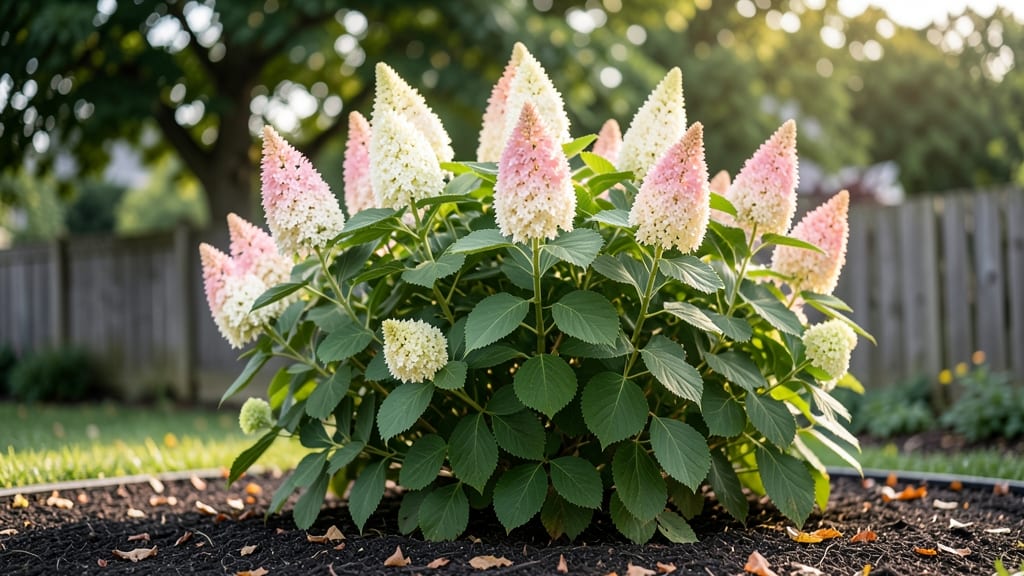
Panicle hydrangeas bloom on new wood, so pruning in late summer after flowers fade is essential to promote next year's vibrant blooms—cutting too early removes potential buds.
This unique growth habit sets panicle hydrangeas apart from other varieties like bigleaf or oakleaf, which bloom on old wood. 🌿 When you prune at the right time—after blooms wilt but before hard frost—you trigger the plant's natural growth hormones, encouraging fresh stems to form for next season's flowers.
The key is patience: new stems need time to mature before winter, so never prune in spring or you'll miss the entire blooming cycle.
Think of it like training a plant athlete: you want to give it time to recover and build strength for the next performance. That's why gardeners often call panicle hydrangeas "foolproof" once you understand this timing rule—just wait until the flowers fade completely, then make your cuts.
This simple approach can transform a sparse shrub into a lush, flower-filled statement piece.
💡 In This Article
- How Pruning Timing Affects Panicle Hydrangea Flowering
- Step-by-Step Guide to Pruning Panicle Hydrangeas for Maximum Blooms
How pruning timing affects panicle hydrangea flowering
Panicle hydrangeas produce flowers on new growth that emerges each spring from dormant buds, unlike their old-wood cousins like bigleaf hydrangeas that bloom on previous year's stems.
This fundamental difference means pruning at the wrong time—like in late winter or early spring—can remove next year's flower buds before they even form.
The plant's growth hormones, particularly auxins and cytokinins, become active in late summer as days shorten, signaling the plant to prepare for winter dormancy and new stem growth.
The critical window for pruning opens after the flower heads fade and turn brown, typically between mid-August and early September in most climates. This timing allows the plant to complete its current blooming cycle while still having 6-8 weeks of warm weather to develop new stems.
Each cut stem should have at least 3-5 leaf nodes remaining to ensure enough energy for new growth—think of it like giving the plant enough "branches" to grow new flowers from next year.
What happens botanically is fascinating: when you prune at this optimal time, you're essentially "resetting" the plant's growth cycle. The plant perceives the cuts as a signal to redirect its energy toward developing fresh stems rather than maintaining old ones.
This process is similar to how humans might "reset" after a busy season by taking time off to recharge. The new stems that form will bear flower buds at their tips during the following spring, ready to bloom when conditions are right.
Contrast this with old-wood hydrangeas, where pruning in late summer would remove next year's flowers entirely. The difference comes down to where flower buds form: on new wood for panicle types, and on old wood for varieties like Hydrangea macrophylla.
This is why panicle hydrangeas are often recommended for gardeners who want reliable annual blooms with minimal effort—just time your cuts right after the flowers fade, and the plant will reward you with a spectacular show the following year.
One common mistake is pruning too aggressively, which can stress the plant. Aim to remove no more than one-third of the plant's overall volume in a single pruning session. The goal is to shape the plant while maintaining its natural form, not to create a drastic transformation.
After pruning, the plant will focus its energy on healing the cuts and developing new stems, setting the stage for next year's abundant blooms.
For those in colder climates, timing becomes even more critical. In zones with early frosts, you might need to prune as early as late July to ensure new growth has time to harden off before winter.
The plant's ability to develop new stems depends on temperature, daylight hours, and moisture—all factors that vary by region. This is why local gardening guides often provide specific pruning calendars tailored to your hardiness zone.
Remember this key principle: patience pays off. The new stems you encourage through late-summer pruning need time to mature and develop flower buds before winter. If you prune too early, you're essentially telling the plant to "waste" its energy on growth that won't produce flowers.
But when you time it just right, you're giving the plant the perfect opportunity to set itself up for a spectacular display next season. 🌸