
Blooming
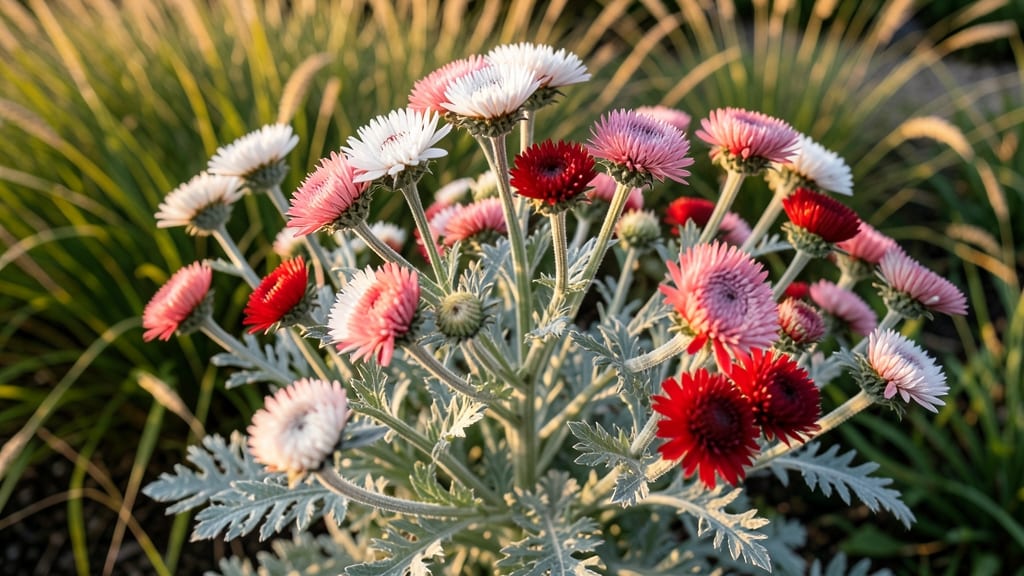
Extend your garden’s color season with these drought-resistant perennials that thrive in late summer’s heat. These low-maintenance plants require minimal water once established and deliver stunning blooms when most gardens fade.
Russian Sage Thrives in Dry Heat
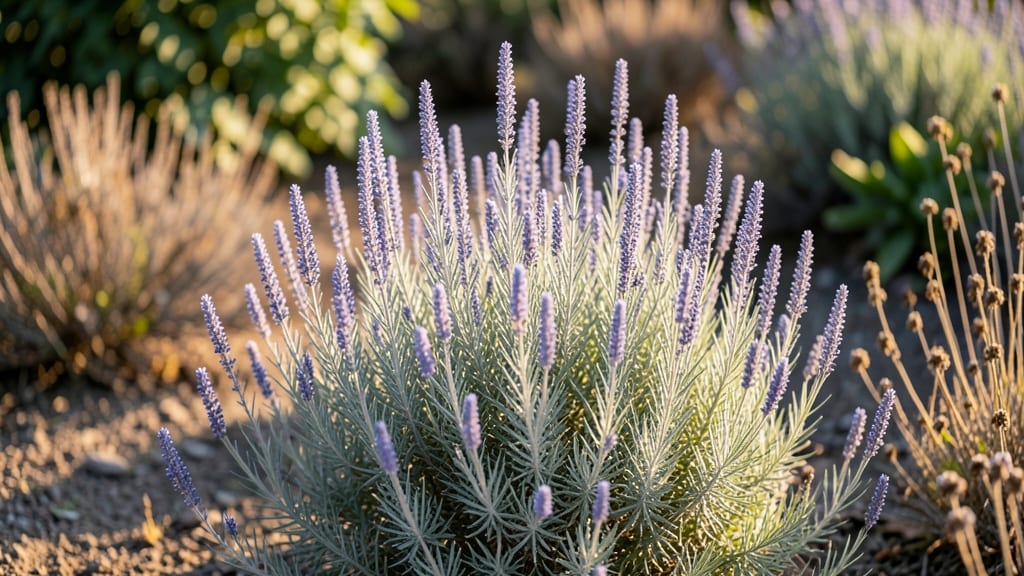
When your garden starts wilting under late summer heat, Russian sage (Perovskia atriplicifolia) steps up with effortless elegance. This drought-proof perennial thrives where others struggle, offering silvery foliage and airy lavender-blue flower spikes that bloom from mid-summer through fall.
Plant it in full sun with well-draining soil—it’s so tough it tolerates poor conditions and even urban heat islands. The fragrant blooms attract bees, butterflies, and hummingbirds while repelling pests naturally. For best results, shear back by ⅓ in early spring to encourage bushier growth. 🌟
Perfect for low-maintenance borders, mass plantings, or even as a pollinator magnet in wildflower gardens, Russian sage gives you year-round structure with minimal effort. Ideal for beginners or busy gardeners who want beauty without the fuss. ✨
Black-Eyed Susan Adds Golden Cheer
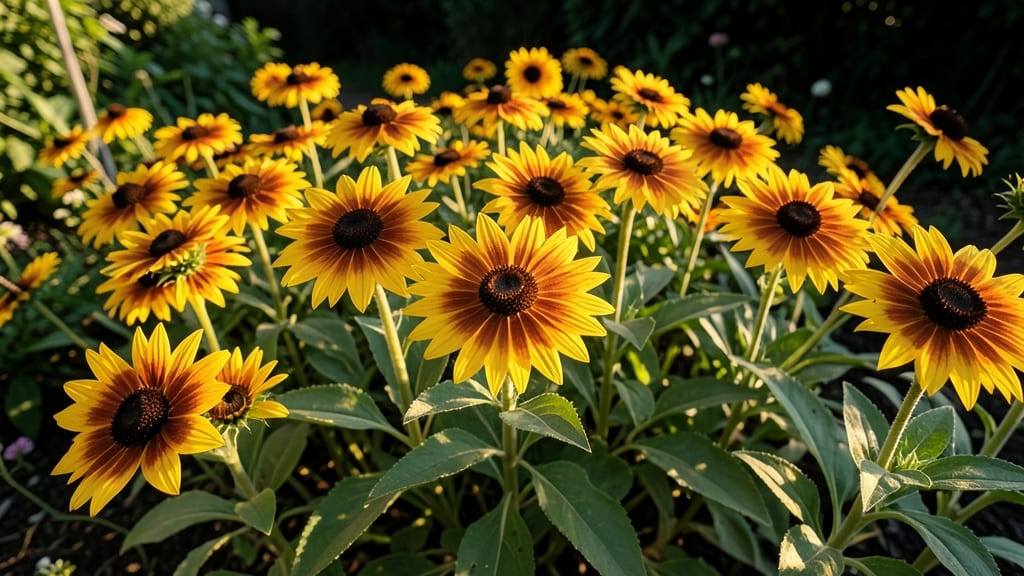
When your garden starts to look tired in late summer, black-eyed Susan (Rudbeckia hirta) swoops in to save the day with its cheerful, sun-kissed blooms. This hardy perennial thrives in full sun to part shade and produces bright yellow flowers that gradually deepen to warm, rusty tones—adding texture and movement to your landscape.
Plant these drought-tolerant beauties in well-draining soil and watch them self-seed for years of effortless color. They’re a magnet for butterflies and bees, making them ideal for pollinator gardens, and their cottage-garden charm pairs perfectly with coneflowers or lavender. Deadhead spent blooms to encourage more flowers, but otherwise, they require almost no maintenance.
Perfect for beginners, urban gardeners with small spaces, or anyone craving low-fuss late-season color, black-eyed Susan delivers year after year with minimal effort. 🌻
Coneflower Stands Tall Against Drought
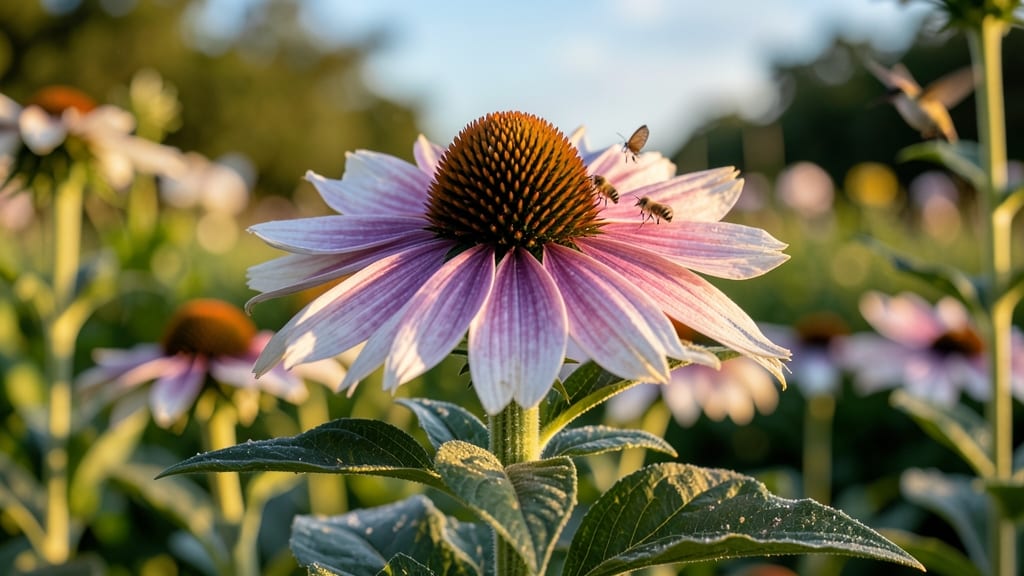
When your garden needs a low-maintenance hero that blooms boldly in late summer, coneflower (Echinacea) delivers with its daisy-like charm and surprising resilience. This native perennial thrives on neglect, producing pink, purple, or white petals that attract bees, butterflies, and even hummingbirds—while its spiky brown centers add texture long after blooms fade.
Unlike fussy perennials, coneflowers demand no staking (they grow upright on their own) and flourish in poor, rocky, or sandy soil—even surviving drought once established. Plant them in full sun for best results, and watch them self-seed for years of effortless color. Bonus: The roots have been used medicinally for centuries to support immune health.
Perfect for wildflower gardens, pollinator meadows, or even urban containers, coneflowers reward gardeners with year-round interest—from summer blooms to winter seed heads. 🌻
Bee Balm Delivers Bold Summer Color
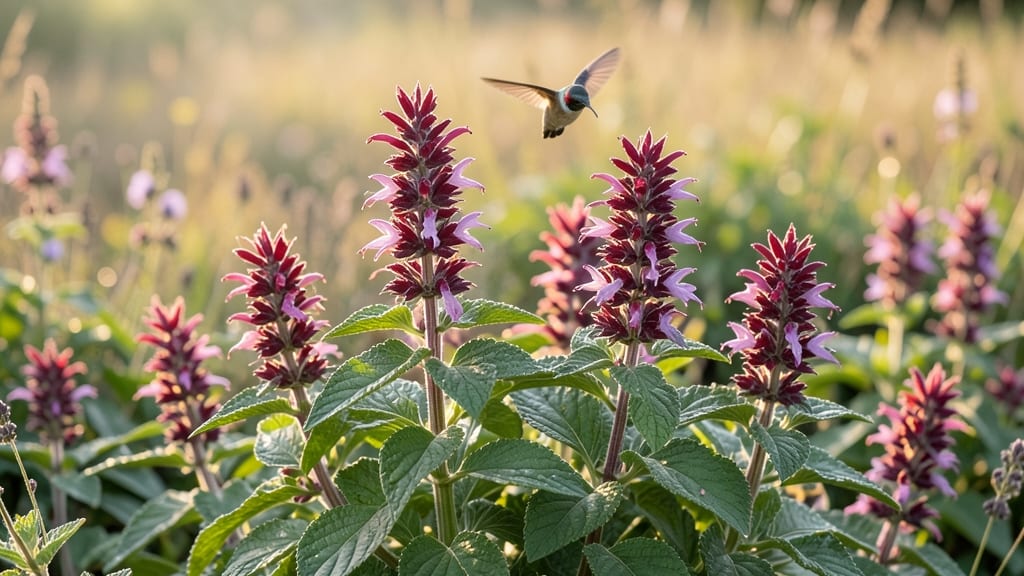
Transform your late-summer garden into a hummingbird hotspot with bee balm—a vibrant perennial that bursts with red, pink, or purple blooms when other plants fade. Its tubular flowers are irresistible to hummingbirds, while its fragrant foliage adds a sensory dimension to your space.
This easygoing plant thrives in partial to full sun and spreads quickly, making it ideal for borders or containers. To control its growth, simply prune back stems after flowering or mid-season to encourage bushier, more compact plants. Bee balm also handles drought once established, requiring minimal care beyond occasional watering.
Perfect for pollinator gardens, urban balconies, or cottage-style beds, bee balm delivers bold color with almost no effort. Just watch as your garden becomes a buzzing, blooming paradise! 🌻
Blanket Flower Spreads with Vibrant Hues
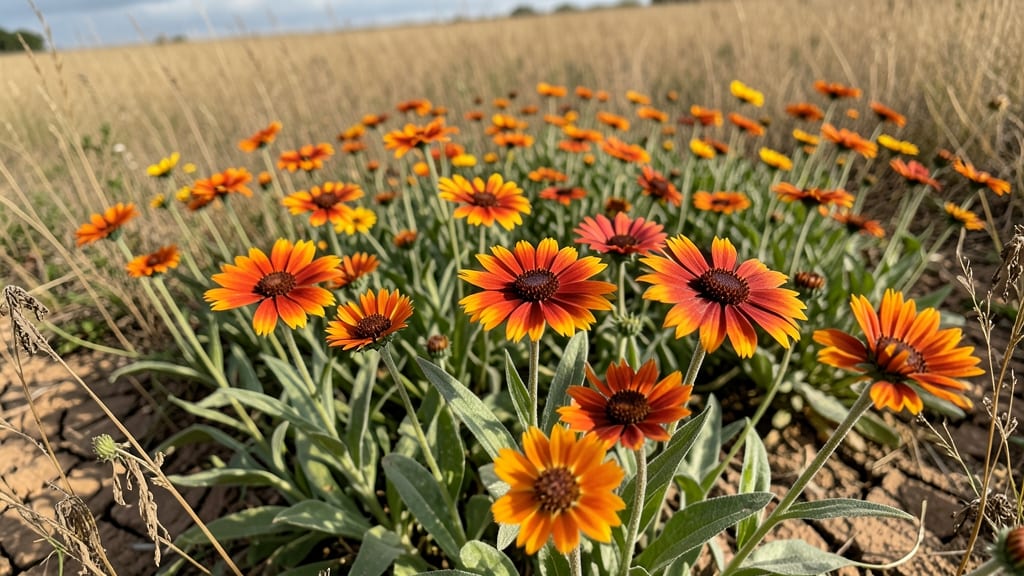
When you need a drought-resistant pop of color that spreads effortlessly, blanket flower (Gaillardia) steals the show. This cheerful ground cover thrives in full sun and delivers orange, yellow, or red daisy-like blooms from midsummer through fall—long after other perennials fade.
Blanket flower’s secret weapon? It forms dense mats that suppress weeds while requiring only occasional watering once established. Plant it on slopes, rocky beds, or containers where other plants struggle—it handles poor soil and heat like a champ. For best results, deadhead spent blooms to encourage more flowers and divide clumps every few years to keep them vigorous.
This is the perfect low-maintenance solution for busy gardeners or areas with limited water access. Whether you’re dressing up a border or stabilizing a sunny slope, blanket flower delivers bold color with almost no effort. 🌻
Lavender Provides Fragrant Purple Spikes
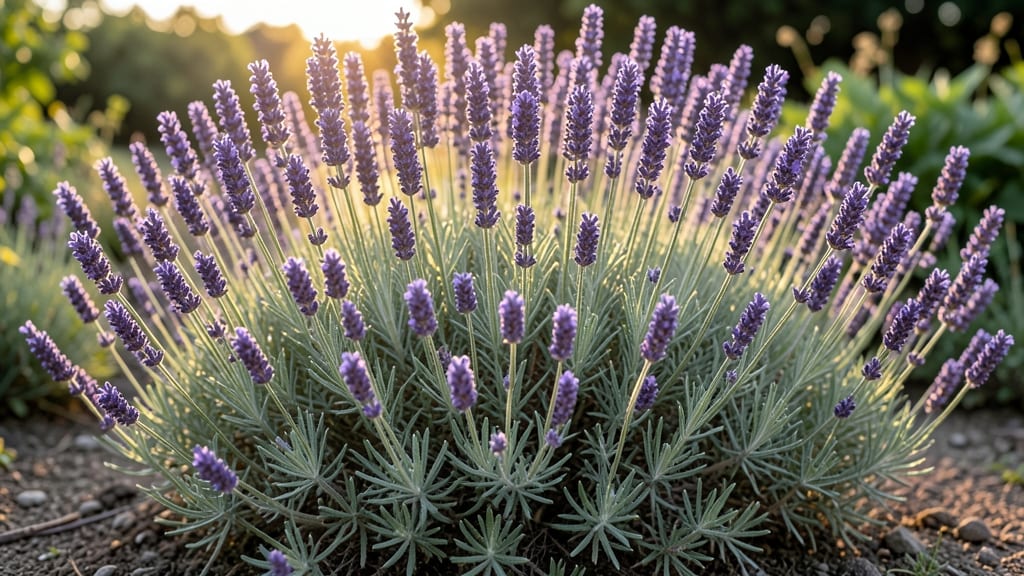
Looking for a plant that does double duty—adding beauty and keeping pests away? Lavender is your answer, with its signature fragrant purple spikes that bloom reliably in late summer and well into fall.
This drought-tolerant superstar thrives in full sun with well-draining soil, making it perfect for rocky slopes or Mediterranean-style gardens. Its silvery foliage repels mosquitoes and deer while attracting pollinators, and the blooms last for weeks when cut fresh. Prune lightly after flowering to encourage bushier growth next season.
Whether you're designing a sensory garden or simply want low-maintenance color, lavender’s aromatic charm and long-lasting blooms make it a must-have for any late-summer garden. 🌷
Goldenrod Brightens Late-Season Gardens
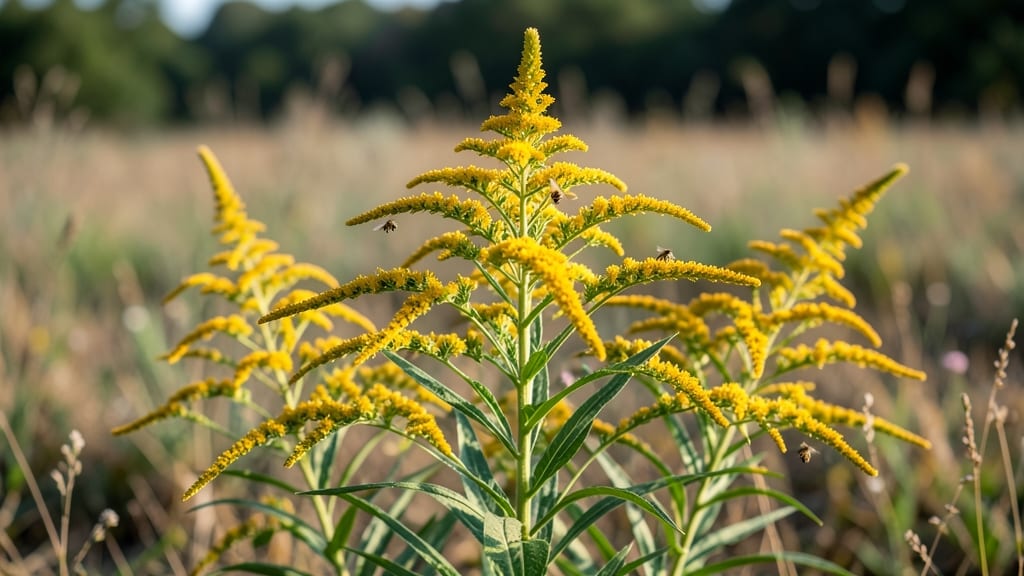
If you’ve ever dismissed goldenrod as just another weedy nuisance, think again—this native perennial is a late-summer superstar. Its bright golden plumes bloom from August through October, providing nectar for bees, butterflies, and other pollinators when few other plants are still in flower.
Unlike its allergy-causing cousin ragweed, goldenrod thrives in full sun and poor soil, making it ideal for rocky slopes, meadows, or even neglected corners of the garden. Once established, it needs almost no care—just occasional trimming after blooming to keep it tidy. Choose varieties like ‘Fireworks’ for extra vigor or ‘Baby Gold’ for compact growth.
Perfect for pollinator gardens, goldenrod is also a great choice for beginners or eco-conscious gardeners who want to support native wildlife. Plant it in masses for dramatic effect or let it naturalize along fence lines. 🌻
Catmint Repels Pests Naturally
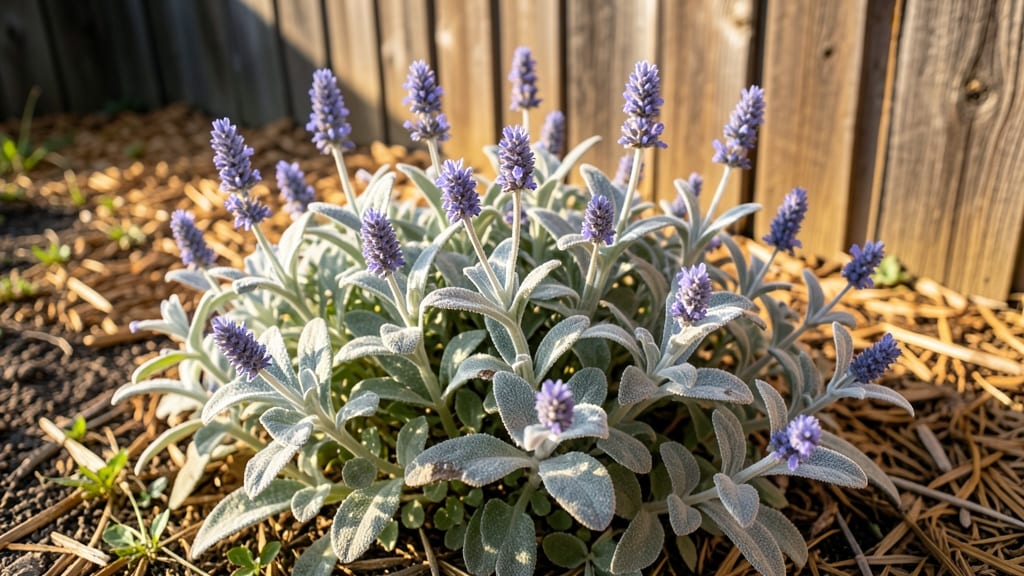
Tired of mosquitoes ruining your outdoor evenings? Catmint is your secret weapon—its silver-gray foliage and lavender-blue flowers naturally repel pests while adding stunning late-summer color to your garden.
This drought-tolerant perennial thrives in full sun with minimal water once established, blooming continuously from mid-summer through fall. Its fuzzy leaves also deter rabbits, making it a dual-purpose protector for your garden. Simply prune back by half after flowering to encourage bushier growth next season.
Perfect for urban gardeners or anyone with a busy schedule, catmint requires almost no maintenance while keeping your space pest-free and vibrant. 🌿
Salvia Offers Dramatic Vertical Interest
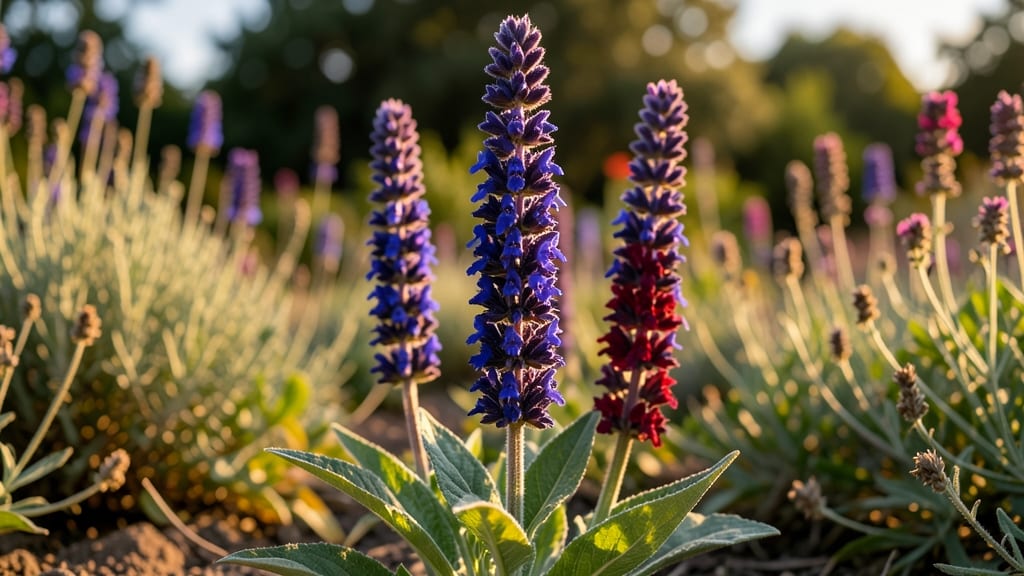
Need a late-summer showstopper that adds height and drama to your garden? Salvia delivers with its striking vertical spikes in blue, purple, or red, creating a bold focal point that hummingbirds can’t resist. Unlike many perennials, salvia thrives in heat and drought once established, making it ideal for low-water landscapes.
Plant salvia in full sun with well-draining soil, and its upright growth habit (2-4 feet tall) makes it perfect for borders, cutting gardens, or back-of-bed accents. Prune spent blooms to encourage more flowers, and watch it attract pollinators all season long. This versatile plant also works beautifully in containers for patios or balconies.
Perfect for gardeners who want low-maintenance color without sacrificing impact, salvia is a must-have for late-summer gardens. 💚
Yarrow Creates Long-Lasting Color Clusters

When you crave a perennial that combines textural foliage with bold, long-lasting blooms, yarrow (Achillea) delivers effortlessly. This hardy plant produces flat-topped clusters in white, pink, or fiery red that dance in the breeze, while its finely divided, fern-like leaves add movement and contrast to any garden bed.
Yarrow thrives in full sun to part shade and handles drought, poor soil, and even urban heat like a champ—once established, it needs almost no watering. Its secret weapon? Self-seeding habits mean it renews itself year after year, creating natural drifts of color with minimal effort. For best results, deadhead spent blooms to prolong flowering or leave seed heads for winter interest.
Perfect for wildflower meadows, pollinator gardens, or drought-prone landscapes, yarrow’s versatility makes it a top choice for busy gardeners or eco-conscious plant lovers. It’s also deer-resistant and attracts beneficial insects—making it a true all-star for low-maintenance beauty. 🌷