
Blooming
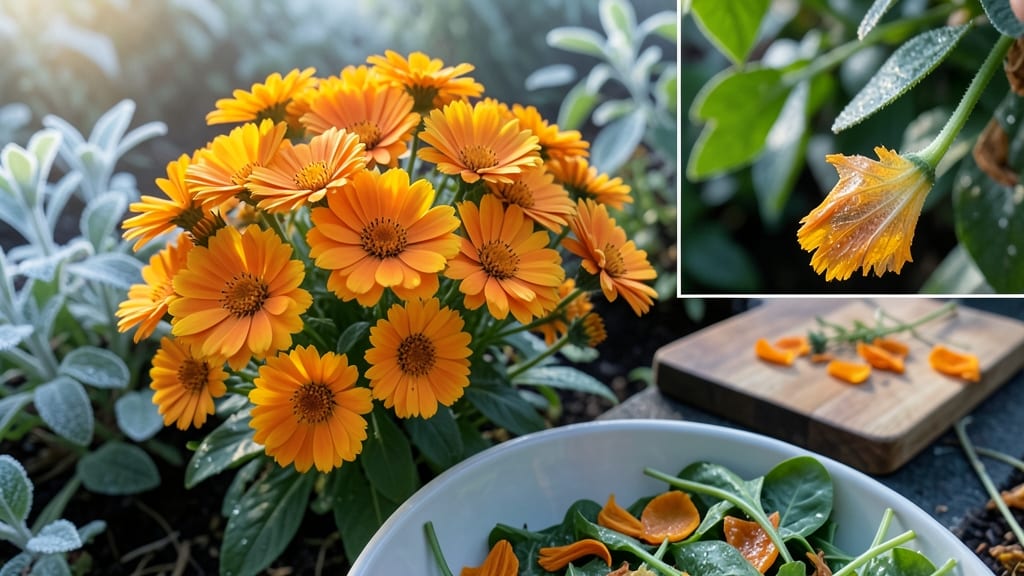
October gardens aren’t just about falling leaves—this is when hardy plants burst into vibrant blooms. These 10 cold-tolerant plants defy seasonal norms, offering late-season color that thrives in crisp autumn air and extends your garden’s beauty well into fall.
Mums (Chrysanthemums) for Fall Color
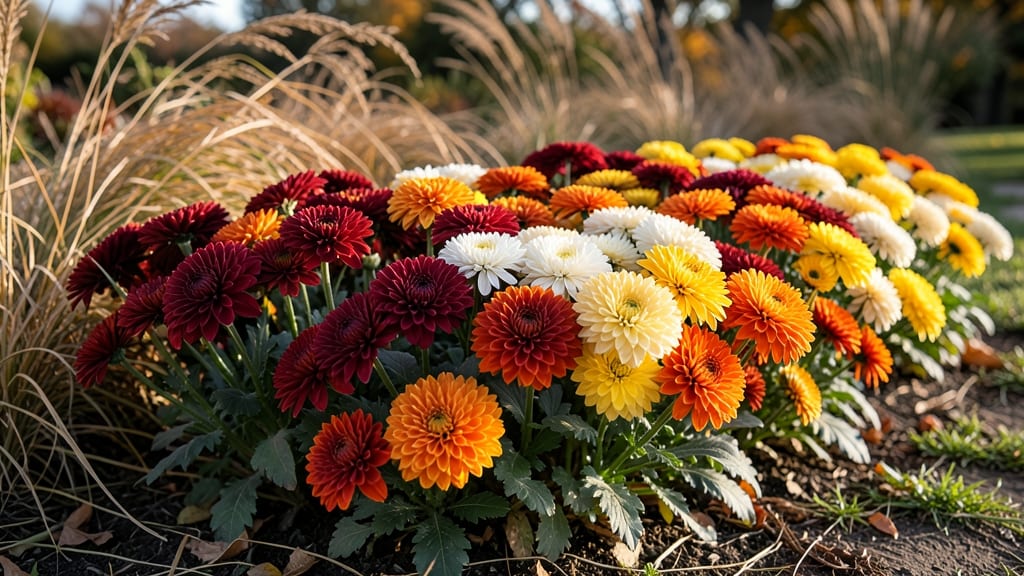
When crisp October air arrives, chrysanthemums (mums) become the star of the show with their bold colors and cheerful blooms. Unlike spring flowers that fade in the heat, these cool-weather champions thrive in temperatures between 60°F and 70°F, making them perfect for extending your garden's season.
Choose from hundreds of varieties in every hue—from fiery reds to deep purples—with some even sporting bi-color or variegated petals. For the longest-lasting display, opt for hardy mums like 'Dynasity', which hold up to light frosts and continue blooming well into November. Deadhead spent flowers regularly to encourage new buds, and fertilize every 4-6 weeks with a balanced 10-10-10 formula for maximum impact.
Urban gardeners and first-time growers will love how adaptable mums are—they thrive in containers, window boxes, or garden borders, and even make stunning cut flowers for indoor arrangements. With minimal care, you'll enjoy vibrant color when most gardens have gone dormant. 🌻
Asters for Pollinators and Late Blooms
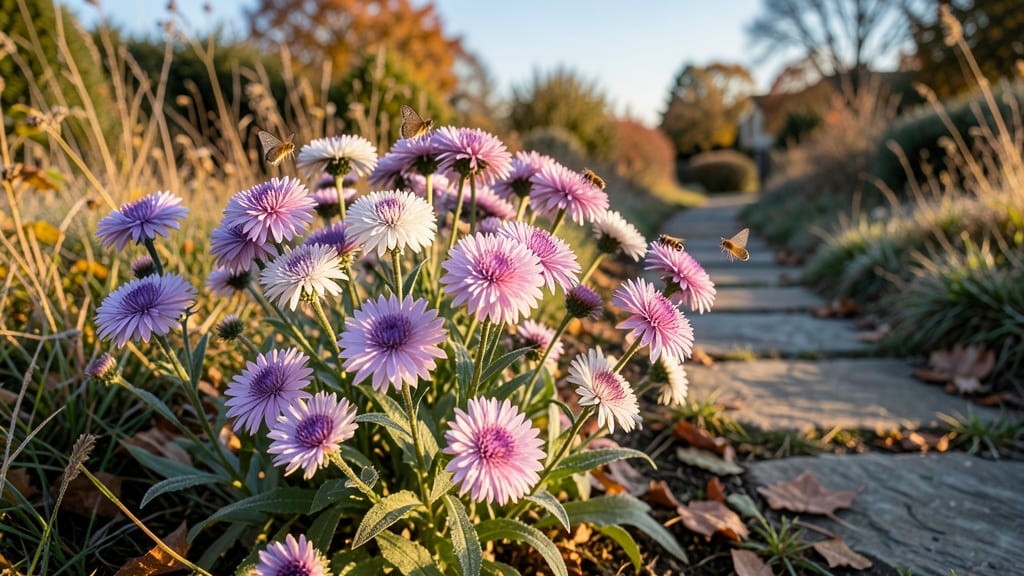
When your garden seems to fade with the first frost, asters step in as nature's October superstars. These daisy-like blooms thrive in cool weather, turning your yard into a buzzing hub for bees and butterflies when most flowers have called it quits.
Plant varieties like 'Violet Queen' in full sun to partial shade, and you'll get purple, pink, or white blooms from September through October. Their long stems make perfect cut flowers, and they're tough enough to handle light frosts. For maximum impact, pair them with goldenrod or Russian sage for a pollinator-friendly autumn display.
Perfect for pollinator gardens, asters are a must-have for anyone who wants to extend their garden's season and support local wildlife. 🌿
Japanese Anemones for Graceful Elegance
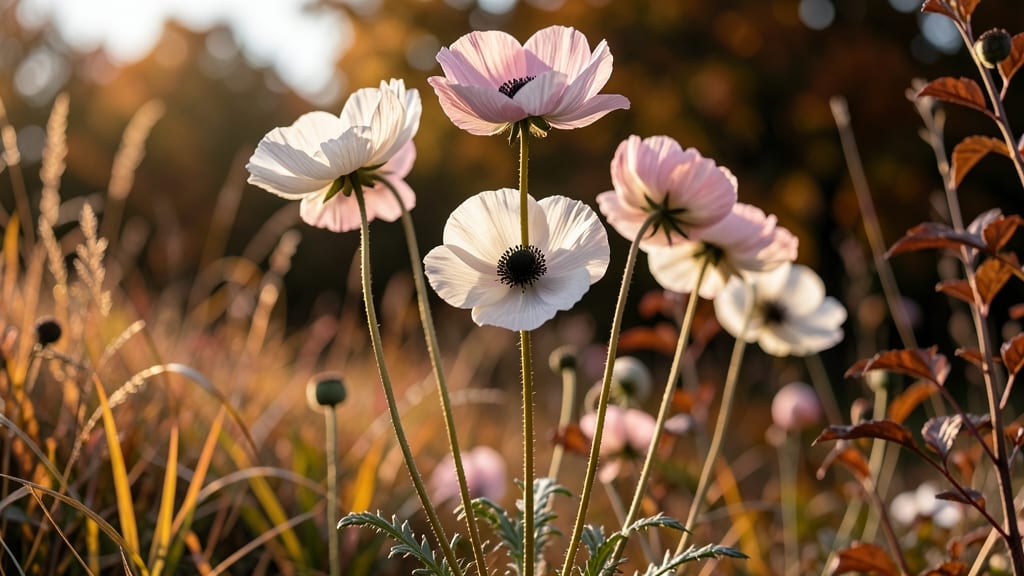
When your garden seems to fade with the summer heat, Japanese anemones arrive like a whisper of elegance, blooming reliably in October. Their delicate pink or white flowers on tall, graceful stems create vertical drama that stands out against autumn’s golden backdrop.
These perennials thrive in partial shade to full sun and prefer well-draining soil, making them versatile for borders or woodland edges. Deadhead spent blooms to encourage more flowers, and their dark green foliage provides a striking contrast to fiery fall leaves. Plant them near patios or walkways to enjoy their refined beauty up close.
Perfect for gardeners who love low-maintenance perennials with a touch of sophistication, Japanese anemones bring late-season charm without the fuss. 🌷
Goldenrod for Pollinators and Sunlight
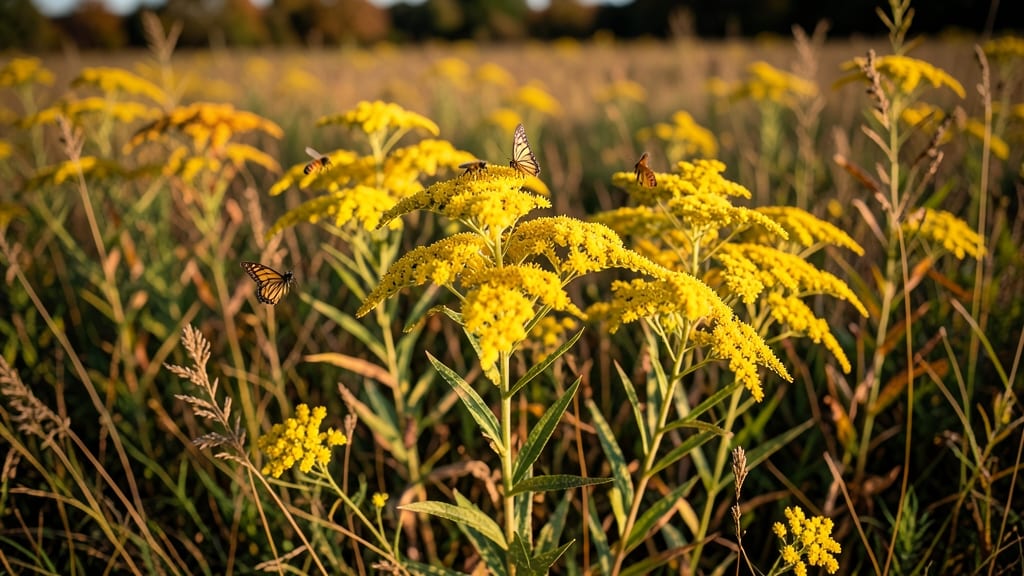
Don’t let its reputation as a "weed" fool you—goldenrod is a pollinator powerhouse that thrives in October when many gardens are winding down. This native perennial blooms with bright yellow plumes that attract bees, butterflies, and even hummingbirds, offering a late-season feast for wildlife.
Unlike its villainous cousin ragweed, goldenrod blooms in late summer and October, providing critical nectar when other flowers have faded. Plant it in full sun (at least 6 hours daily) and well-drained soil—it tolerates drought once established. Cut back faded stems in early spring to encourage fresh growth, and watch it transform borders into a golden sea of activity.
Perfect for urban gardens, meadows, or pollinator-friendly borders, goldenrod brings effortless beauty with minimal care. It’s the unsung hero of late-season gardens—just don’t blame it for your allergies! 🌻
Russian Sage for Drought-Tolerant Purple Spikes
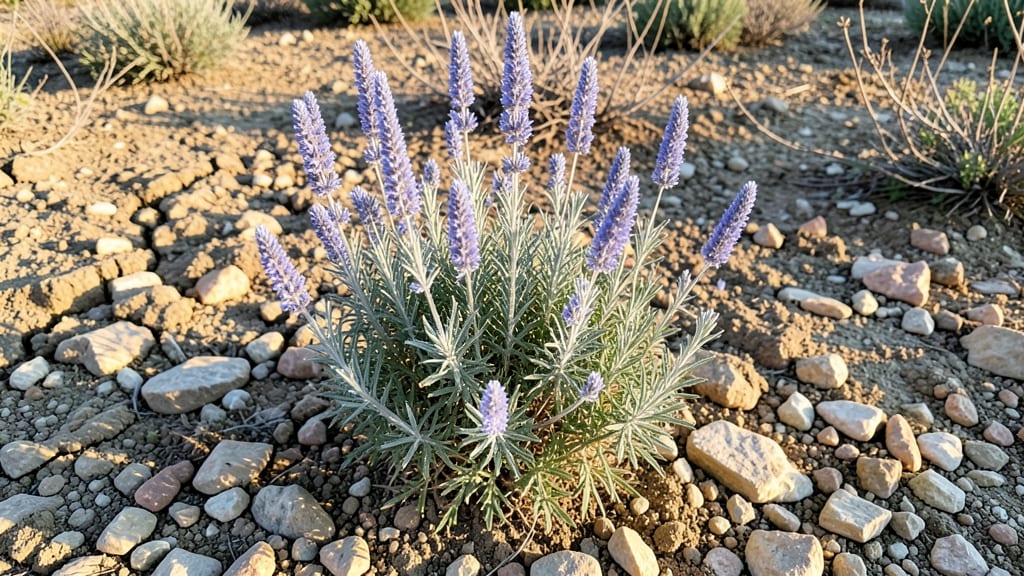
If your garden feels like a desert by late summer, Russian sage (Perovskia atriplicifolia) is the drought-resistant hero you’ve been waiting for. This hardy perennial thrives in poor, rocky soil and produces fragrant, lavender-blue flower spikes that keep blooming well into October—often long after other perennials have faded.
Plant it in full sun (at least 6 hours daily) and water sparingly once established—it’s one of the few plants that truly loves dry conditions. The silvery-green foliage adds texture, while its late-season blooms attract bees and butterflies. For a striking contrast, pair it with goldenrod or ornamental grasses like fountain grass or feather reed grass.
This low-maintenance plant is perfect for beginner gardeners or those with dry, sandy, or rocky soil. It’s also deer-resistant, making it ideal for rural or suburban gardens alike. 🌟
Cyclamen for Shade-Loving Blooms
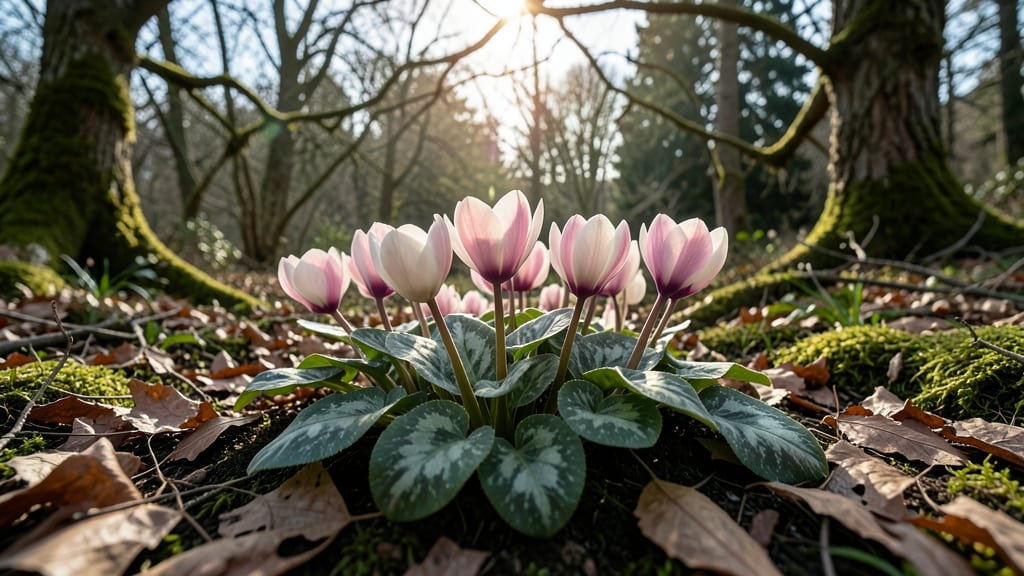
While others struggle in shady corners, cyclamen thrives there with its delicate October blooms. These woodland darlings produce soft pink or white flowers that brighten dim spaces where sun-starved plants give up—perfect for under trees or woodland gardens where light barely reaches.
Plant cyclamen in well-draining, humus-rich soil and keep it consistently moist (but not soggy) for best results. The silver-marked leaves add texture even when not in bloom, and they multiply over time to create naturalizing carpets. For container gardeners, they’re ideal for shaded patios or as understory plants in mixed pots.
Urban gardeners and shade gardeners will love how cyclamen fills gaps where other plants fail, offering year-round interest with their evergreen foliage and seasonal flowers. They’re also deer-resistant, making them a low-maintenance choice. 🌷
Sedum (Stonecrop) for Succulent Late Blooms
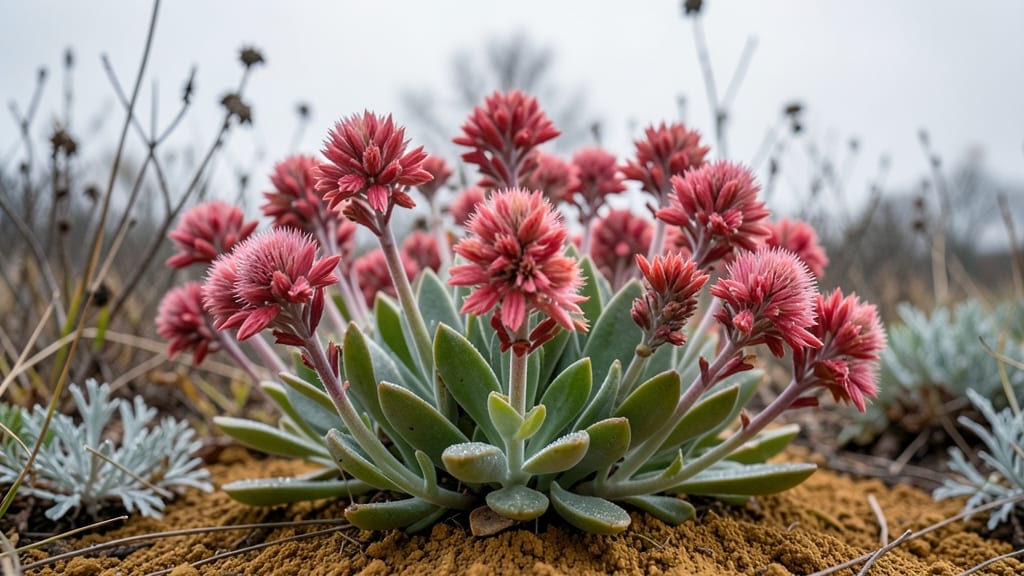
When your garden seems to fade with the first chill, sedum (stonecrop) steps in to steal the show with its pinkish-red flower clusters that bloom reliably in October. Unlike many late-season plants, sedums thrive in dry conditions, making them perfect for water-wise gardeners who want color without the fuss.
Varieties like 'Autumn Joy' produce dense, dome-shaped blooms that start green and deepen to coppery-pink as fall progresses. Their succulent leaves store water, so they're ideal for rock gardens, containers, or slopes where moisture drains quickly. Plant them in full sun to partial shade and well-draining soil—even poor, rocky soil—to ensure they flourish with minimal care. For extended blooms, deadhead spent flowers in early fall, but leave some seed heads for winter interest.
Perfect for urban gardeners, rock garden enthusiasts, and low-maintenance landscapes, sedums bring both texture and color when other plants have gone dormant. Their drought tolerance and late-season beauty make them a must-have for any October garden. 🌷
Heather for Evergreen Color and Pollinators
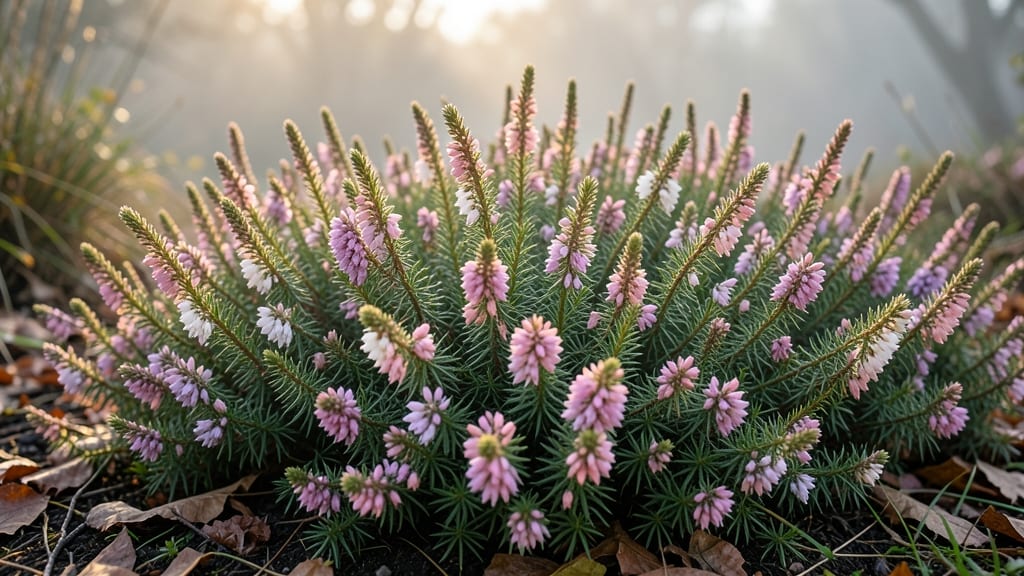
If you're craving year-round structure and a splash of late-season color, heather (Calluna vulgaris) is your secret weapon. While other plants fade with the first frost, heather bursts into pink, purple, or white blooms in October, thriving in cool temperatures that would stop most flowers in their tracks.
This evergreen shrub (growing just 1-2 feet tall) loves full sun to partial shade and well-draining soil—making it perfect for rocky slopes, alpine gardens, or container plantings where other plants might struggle. Its tiny bell-shaped flowers attract bees and butterflies when food sources are scarce, while its needle-like foliage provides winter interest. Prune lightly after flowering to maintain shape, and fertilize sparingly with acidic soil amendments for vibrant blooms.
Ideal for small-space gardeners, cottage-style borders, or pollinator-friendly landscapes, heather delivers four-season beauty with almost no effort. It’s the plant that keeps giving—even when your neighbors’ gardens are asleep for winter. 🌿
Salvia for Fragrant Purple Spikes
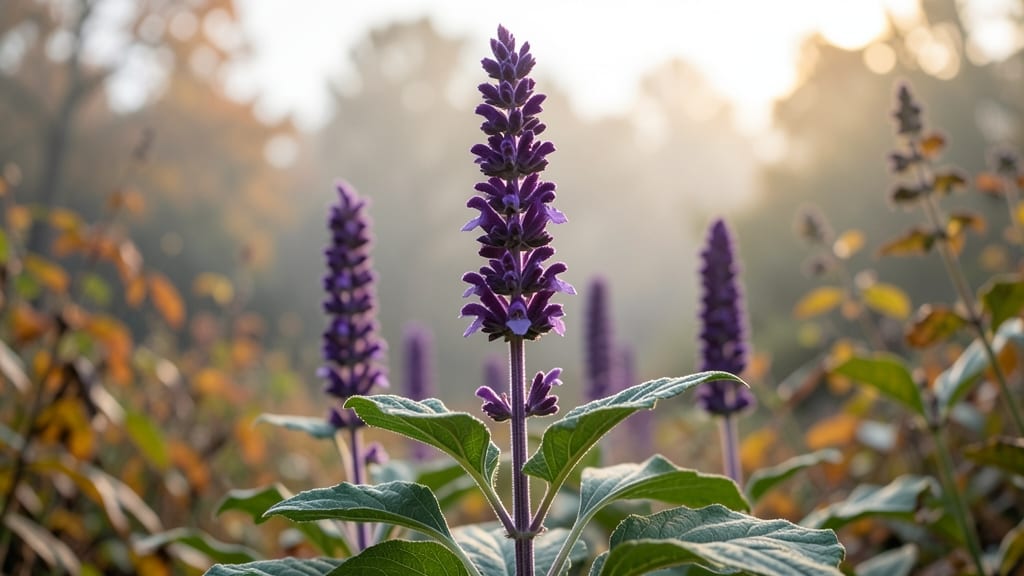
If you’re craving a fragrant addition to your October garden that deer won’t touch, Salvia 'May Night' is your secret weapon. This tall, upright perennial produces striking deep purple flower spikes that bloom from late summer straight through October, adding height and drama to your borders when most other plants are winding down.
Thriving in full sun to partial shade, 'May Night' is remarkably low-maintenance—once established, it tolerates drought and poor soil with ease. Its slender, aromatic foliage adds texture, and the flowers attract hummingbirds while repelling deer. For best results, cut back faded stems in early spring to encourage fresh growth, and watch it rebound with vigor.
Perfect for urban gardeners, pollinator-friendly borders, or drought-prone areas, this salvia brings late-season color without the fuss. It’s the ideal choice for gardeners who want fragrance, height, and hardiness all in one package. 💚
Calendula for Edible Fall Flowers

When you crave edible flowers that thrive in October’s crisp air, calendula delivers bright orange and yellow blooms with a dual purpose: beauty and bounty. Unlike most fall flowers, these petals are safe to eat, adding a peppery, citrusy flavor to salads, teas, or garnishes—plus, they repel pests like aphids, making them a gardener’s secret weapon.
Sow seeds directly in containers or garden beds after the last frost for blooms that last until hard frosts. Calendula thrives in full sun to partial shade and tolerates poor soil, making it ideal for urban gardeners or beginners. Pinch back flowers to encourage bushier growth, and harvest petals in the morning for the most vibrant color. For extra benefits, interplant with tomatoes or cucumbers to deter pests naturally.
This versatile plant is perfect for container gardens, cutting gardens, or pollinator-friendly beds, offering both culinary and ornamental value. Whether you’re growing for the kitchen or the landscape, calendula proves that October blooms can be both beautiful and useful. 🌻