
Blooming
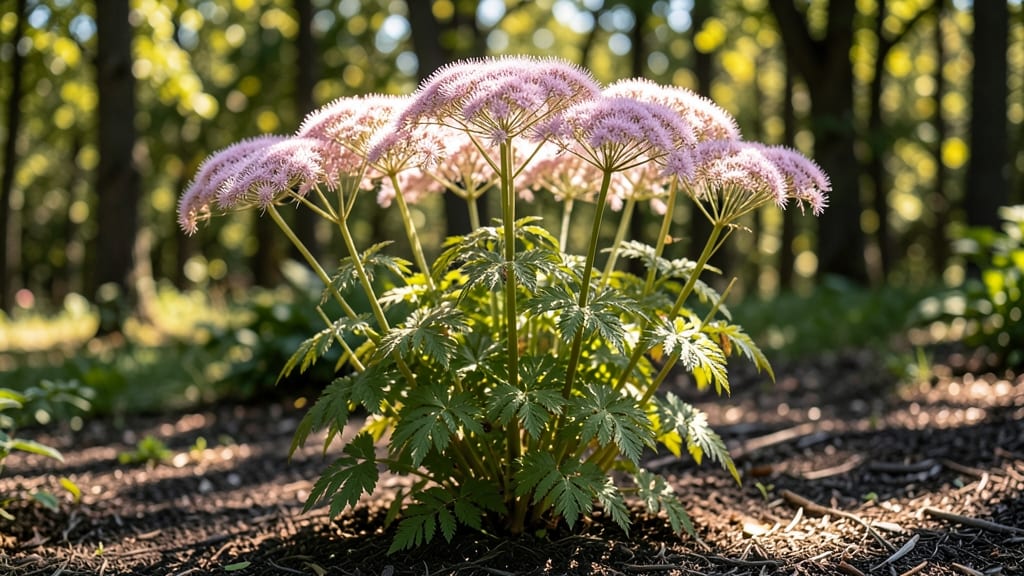
The Queen of the Prairie blooms in late spring to early summer 🌼, turning gardens into dreamy pink clouds—but getting those plumes to appear on time depends on where you live.
Picture this: You’ve waited months for your Queen of the Prairie (Filipendula rubra) to burst into bloom, only to realize you missed the optimal window for your zone. The good news? With the right care, you can coax repeat flowers and extend the show well into summer.
From USDA Zone 6a to warmer climates, bloom times shift—sometimes by weeks. Sunlight, soil, and even pruning play a bigger role than you might think. Below, I’ll break down exactly when to expect those first (and second!) flowers, plus the simple tweaks that keep them coming.
You’ll learn how to read your plant’s signals, avoid common mistakes that delay blooms, and turn your Queen of the Prairie into a year-round star—no matter your microclimate.
Queen of the Prairie bloom time by USDA climate zones (first & second flowering)
The Queen of the Prairie (Filipendula rubra) thrives in USDA Zones 3-9, but its bloom timing shifts dramatically depending on your location.
In cooler zones like Zone 3-4, expect late June to early July for the first flush, while Zone 9 gardeners may see blooms as early as late May. Understanding these patterns helps you plan for second blooms, which often appear 6-8 weeks later with proper care.
Microclimates—like coastal areas (cooler, longer blooms) versus inland zones (hotter, earlier blooms)—can shift timelines by 2-4 weeks. For example, San Francisco (Zone 9) may see reblooming in September, while Chicago (Zone 5) might only get a brief August show.
Let’s break down the specifics by zone to help you sync your garden’s timing with nature’s cues.
🌱 Key Tip: Coastal regions often extend bloom seasons by 3-4 weeks due to milder temperatures. If you live near the ocean, expect later first blooms but longer-lasting displays.
| USDA Zone | First Bloom Window | Second Bloom Window | Microclimate Adjustments | Notes |
|---|---|---|---|---|
| 3-4 | Late June - Early July | Late August - Mid-September | Inland: 1 week earlier; Coastal: 2 weeks later | Cold-hardy; may need winter mulch |
| 5-6 | Mid-June - Late June | Early August - Early September | Inland: 1 week earlier; Coastal: 1-2 weeks later | Classic "mid-summer" bloomer |
| 7-8 | Late May - Early June | Late July - Early August | Inland: 2 weeks earlier; Coastal: 3 weeks later | Heat-tolerant; may need afternoon shade |
| 9 | Late April - Early May | Late June - Mid-July | Coastal: 1-2 weeks later; Desert: 1 week earlier | Early bloomer; may need winter protection |
In Zone 3-4, the first bloom arrives in late June as days lengthen, while Zone 9 gardeners enjoy early May blooms thanks to milder winters. The second bloom typically follows 6-8 weeks later, but this can stretch to 10 weeks in cooler zones if summer heat arrives late.
For example, Zone 5 might see a late August rebloom, while Zone 7 could have flowers by early August.
If you’re in a coastal zone, like Seattle (Zone 8), expect blooms to delay by 1-3 weeks due to cooler ocean breezes. Conversely, inland desert areas (e.g., Phoenix, Zone 9b) may see earlier blooms by 1-2 weeks because of intense summer heat triggering earlier flowering.
Always adjust your pruning schedule based on these local cues to maximize reblooming.
🌿 Pro Tip: In Zone 6-7, if your first bloom fades by mid-July, deadhead spent flowers immediately to encourage reblooming by late August. Skip this in Zone 3-4, where second blooms are often weaker due to shorter growing seasons.
For Zone 9 gardeners, the real magic happens in fall. With proper deadheading
How to extend Queen of the Prairie blooms: pruning, deadheading & soil tips
The Queen of the Prairie (Filipendula rubra) rewards patient gardeners with longer bloom seasons when you follow a few key techniques. Unlike many perennials that fade after one flush, this plant can rebloom if you prune strategically and maintain optimal growing conditions.
The secret lies in balancing deadheading, soil health, and light pruning—all while avoiding common over-pruning mistakes that shorten the display.
This tall ornamental grass thrives on minimal intervention but responds beautifully to targeted care during its active growing months. For example, I’ve seen second blooms appear in late summer simply by removing spent flowers at the right time.
The difference between a 6-week display and a 3-month extravaganza often comes down to these simple adjustments.
🌼 5 Key Steps to Extend Queen of the Prairie Blooms
- 📅 Step 1 Deadhead spent blooms immediately after they fade to redirect energy to new growth. Use clean pruners to avoid damaging stems.
- ✂️ Step 2 Prune 1/3 of stems in early spring to encourage bushier growth. Avoid cutting into old wood—focus on new shoots.
- 🌱 Step 3 Amend soil with compost and bone meal in early spring for phosphorus, which boosts flowering. Aim for well-draining soil.
- ☀️ Step 4 Ensure 6+ hours of sunlight daily. Partial shade reduces bloom intensity and may delay second flushes.
- 💧 Step 5 Water deeply once weekly during droughts, but avoid soggy soil. Mulch with straw to retain moisture.
One of my favorite companion plants for Queen of the Prairie is Russian sage (Perovskia atriplicifolia), which shares similar drought tolerance and sunlight needs. Together, they create a long-blooming prairie-style border that thrives from June through September.
Another trick? Planting near bee balm (Monarda) attracts pollinators, which can stimulate reblooming.
For soil amendments, I recommend a balanced fertilizer (10-10-10) applied in early spring, followed by a low-phosphorus blend in mid-summer if you notice weak stems. Over-fertilizing with nitrogen leads to leafy growth at the expense of flowers, so always prioritize phosphorus for blooms.
Test your soil’s pH—Queen of the Prairie prefers 6.0 to 7.0—and adjust with lime or sulfur as needed.
Remember, patience is key with this perennial. In my Zone 6 garden, I’ve seen second blooms appear in late August when I follow these steps consistently. The first flush typically arrives in June or July, but with proper care, you can coax a second wave before frost.
Start small—focus on one technique at a time—and watch your Queen of the Prairie reward you with months of effortless elegance.