
Blooming
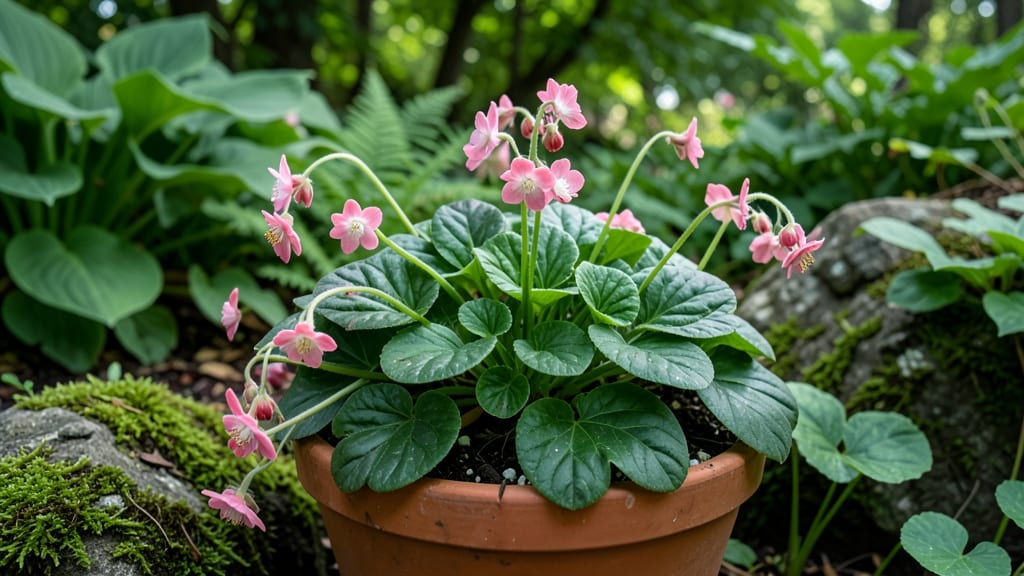
Saxifraga blooms typically arrive in spring 🌸, but the exact timing depends on your variety, climate, and a few key care tricks.
If you’ve ever wondered why your saxifraga refuses to bloom—or how to coax vibrant flowers year after year—you’re not alone. These hardy alpine plants thrive on precision, and their bloom cycles depend on light, temperature, and care timing.
Most saxifragas, like the popular Saxifraga stolonifera, burst into color between March and May, while alpine species may wait until late spring or even early summer. The difference? It’s all about dormancy, soil, and how you prep them for the growing season.
In this guide, I’ll break down the natural bloom windows by variety, share pro tips to extend their flowering season, and reveal the most common mistakes that cut blooms short—so you can enjoy more of that springtime charm.
Natural Saxifraga bloom time: seasonal patterns by variety
Saxifragas are nature’s showstoppers, but their bloom times vary wildly by variety and climate. Some burst into flower as early as late winter, while others wait until late summer.
Understanding these patterns helps you anticipate—and even extend—their stunning displays. Let’s break down the natural bloom cycles of your favorite saxifragas.
Most saxifragas follow a spring bloom cycle, triggered by cooler temperatures and increasing daylight. However, alpine varieties like Saxifraga cotyledon often bloom in late summer or early fall, taking advantage of cooler mountain air.
Your USDA hardiness zone also plays a role—warmer climates may push blooms earlier, while colder zones delay them until frost risk passes.
| Variety | Primary Bloom Time | Rebloom Potential | Climate Notes |
|---|---|---|---|
| Saxifraga stolonifera | Late spring (April–May) | Yes (with care) | Thrives in zones 4–9; tolerates partial shade |
| Saxifraga paniculata | Early summer (June–July) | No (single flush) | Alpine variety; needs well-draining soil |
| Saxifraga cotyledon | Late summer (August–September) | No | Cold-hardy; blooms after heatwave |
| Saxifraga umbrosa | Spring (March–April) | Yes (light) | Woodland saxifraga; prefers shade |
If you’re growing Saxifraga stolonifera (the beloved ‘strawberry geranium’), you’ve got a rebloom advantage. With the right care—like pinching back spent blooms and providing consistent moisture—this variety can produce secondary flowers in late summer.
Other species, like S. paniculata, are one-and-done bloomers, focusing their energy on a single spectacular show.
Dormancy is key to saxifraga’s bloom timing. Most varieties enter a summer dormancy in hot climates, conserving energy until cooler weather returns. In USDA zones 7–9, this dormancy may start as early as June, while cooler zones like zones 4–6 might see dormancy in July or August.
Pay attention to leaf color—yellowing or wilting signals it’s time to reduce watering.
For late-summer bloomers like Saxifraga cotyledon, the secret is patience. These plants wait until afternoon temperatures drop below 75°F to trigger flowering. If your summer stays scorching, provide afternoon shade or move pots to a cooler microclimate to encourage blooms.
Mulching with gravel or bark also helps regulate soil temps.
Light exposure shifts bloom times dramatically. Morning sun is ideal for most saxifragas, but afternoon sun can delay blooms or cause leaf scorch. If your plants are struggling to flower, try moving them to a north-facing window or east-facing garden spot.
Indoor saxifragas may need a grow light for 12–14 hours daily to mimic natural daylight cycles.
Some gardeners swear by winter chill hours to jumpstart spring blooms. Saxifragas often need 500–1,000 hours below 45°F to break dormancy.
If you’re in a mild-winter zone (like zone 9–10), you might need to simulate chill by moving pots to an unheated garage or garage for a few weeks in late fall.
Pro tip: Deadhead spent blooms on Saxifraga stolonifera to redirect energy into new growth. For other varieties, avoid pruning until after dormancy, as this can stress the plant.
Always use sterilized shears to prevent disease spread between stems. With these timing tricks, you’ll turn your saxifragas into year-round bloomers!
🌸
How to extend Saxifraga bloom time with light and temperature tricks
Saxifragas are masters of timing—blooming when conditions are just right. But what if you want to stretch their bloom time or even force a second flush of flowers? The secret lies in manipulating their light exposure and temperature cues.
Unlike many plants, saxifragas respond dramatically to subtle shifts in their environment, especially Saxifraga stolonifera (the beloved 'strawberry geranium'). Let’s unlock their full potential.
Most saxifragas follow a spring-to-early summer bloom cycle, but with the right tricks, you can delay dormancy or trigger reblooms. For example, S. stolonifera often blooms in late spring but can be coaxed into a second flush with careful light management.
The key is understanding their natural dormancy triggers—typically cooler nights and shorter daylight—and working with (or against) them.
- 💡 Artificial Light Trick: For indoor saxifragas, add 12+ hours of light with a grow light in late summer to delay dormancy. Use a cool-white LED to mimic early autumn sun.
- ❄️ Temperature Reset: Move potted saxifragas to a 50–55°F cooler spot for 4–6 weeks in late summer to mimic autumn chill and trigger reblooms.
- 🌿 Prune Strategically: After the first bloom cycle, trim spent flowers but leave lower leaves intact to preserve energy for a second flush.
- ☀️ Morning Sun Boost: Place outdoor saxifragas in morning sun only to prevent heat stress while maximizing light absorption for blooms.
- 💧 Water Wisely: Reduce watering by 30% in late summer to signal dormancy prep, then increase slightly before forcing reblooms.
Forcing reblooms in Saxifraga stolonifera is easier than you think. Start by identifying the right moment: after the first bloom cycle fades but before leaves yellow. Move your plant to a bright, cool location (like a north-facing window or under grow lights) and reduce water slightly.
This mimics the autumn chill that triggers new buds. Within 6–8 weeks, you’ll see fresh stems emerging!
Outdoor saxifragas need heat management to avoid premature leaf drop, which can cut blooms short. In hot climates (Zones 8+), provide afternoon shade with a light fabric shade cloth (30–50% shade).
Mulch with gravel or bark to keep roots cool. For container-grown plants, elevate pots off the ground to improve airflow and temperature regulation.
Winter dormancy is your friend—don’t skip it! Even if you love your saxifraga’s blooms, a 4–6 week rest period at 40–50°F ensures stronger reblooms the next season. For indoor plants, place them near a cool window or basement during winter.
Avoid heat sources like radiators or vents, which can disrupt dormancy and lead to weak growth.
With these tricks, your saxifragas can bloom nearly year-round—or at least deliver two stunning flushes per season. The key is observation and patience: watch your plant’s cues, adjust light and temperature gradually, and you’ll unlock their full potential. Happy blooming! 🌷