
Blooming
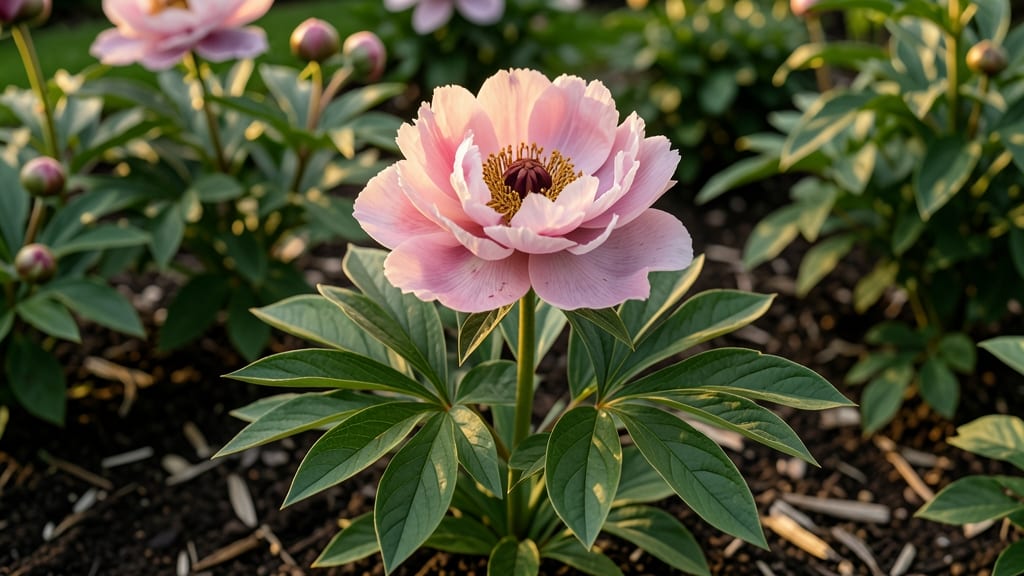
Growing single bloom peonies that survive winter and reward you with bold, fragrant flowers every spring starts with one key move: planting them too deep. 🌱 I learned this the hard way after my first batch of peonies flopped—until I buried their "eyes" (those fat buds) 3-4 inches below soil.
The secret isn't just depth; it's about mimicking their natural woodland habitat where they stay protected from frost heave and rot.
Peonies thrive in full sun but hate soggy soil—think 6 hours of sunlight and well-draining earth mixed with compost. Water them deeply once a week (not daily) after establishment, and skip the fertilizer unless your soil tests poor.
Overfeeding leads to lush foliage but fewer blooms, and we want those showstopping single flowers, not a bushy green mess.
By late summer, you'll see the buds forming for next year's blooms. That's when you prune—cut stems down to 2 inches after they brown, never in fall.
The roots store energy for spring, and this simple cut keeps them strong. With proper care, your peonies will live decades and bloom like they've been there forever.
Bonus: Mulch heavily in winter to insulate roots, and watch them push through snow for early spring color. Even in harsh climates, these perennials become the easiest, most reliable plants in your garden once you master their quirks. Now let's get those roots settled!
📚 In This Guide
- What you need
- Instructions
- Tips and common mistakes
- Wrapping up and next steps
What you need
- ● Single bloom peony plants: 1–3 bare-root or potted plants (choose disease-resistant varieties like 'Sarah Bernhardt' or 'Bowl of Beauty' for reliability).
- ● Well-draining soil: Mix 60% topsoil with 30% compost and 10% perlite or coarse sand (peony roots hate soggy feet!).
- ● Organic mulch: 2–3 inches of shredded bark, straw, or wood chips (protects roots from freezing temps).
- ● Slow-release fertilizer: 10-10-10 or 5-10-10 (apply 2–3 tbsp per plant in early spring).
- ● Garden trowel or spade: For digging planting holes (18–24 inches deep and wide).
- ● Garden gloves: To keep hands clean while handling roots.
- ● Watering can or hose with gentle nozzle: Peonies need consistent moisture (1–2 inches per week).
- ● Pruning shears: For deadheading spent blooms (sterilize with rubbing alcohol!).
- ● Burlap or frost cloth: Drape over plants in late fall for added insulation (especially in Zone 5 or colder).
- ● Straw or pine needles: Extra mulch (4–6 inches) for heavy snow regions.
- ● Drip irrigation kit: Automates watering during winter thaws (prevents root heave).
Step-by-step guide to planting and caring for single bloom peonies
Here's how to establish these stunning perennials for decades of reliable blooms—no frost damage in sight.
🌱 Step 1: Choose the Perfect Planting Location
Single bloom peonies thrive in full sun—at least 6-8 hours daily. I always pick a spot where they’ll get morning sun and afternoon shade in hotter climates, as this prevents leaf scorch while still ensuring strong blooms. Avoid low-lying areas where cold air pools, as peonies are surprisingly frost-sensitive when young.
Test your soil’s drainage by digging a 12-inch hole—if water pools after 1 hour, amend with 2-3 inches of compost or sand. Peonies hate soggy roots, and poor drainage is the #1 reason they fail. The ideal spot has well-draining soil with a pH between 6.5-7.5—you can test this with a simple soil kit from your garden center.
🪴 Step 2: Plant Bare-Root Peonies at the Right Depth
Dig a hole 2 inches deeper than the peony’s root crown (that’s the swollen area where the roots meet the stems). The crown should sit 1-2 inches below soil level—this prevents the plant from heaving out of the ground during freeze-thaw cycles. I always mark the planting depth with a stake so I don’t bury it too deep by accident.
Spread the roots gently into the hole—don’t force them. If they’re circling, make a few small cuts to encourage outward growth. Backfill with native soil mixed with 1 cup of bone meal (for phosphorus) and water thoroughly until the soil settles. The key is keeping the crown just below soil level, not buried deeper.
☀️ Step 3: Mulch and Water for Frost Resilience
After planting, spread 3-4 inches of organic mulch (like shredded bark or straw) around the base, keeping it 6 inches away from the stem to prevent rot. This mulch layer acts like a blanket, protecting roots from temperature swings. In my zone 5 garden, I add an extra 2 inches of mulch in late fall to shield new plants from winter heaving.
Water deeply once a week (or more in extreme heat) until the plant establishes roots—usually 4-6 weeks. You’ll know it’s settled in when new shoots emerge in early spring. Avoid overhead watering once buds form, as wet foliage invites fungal diseases like botrytis, which can ruin blooms before they open.
✂️ Step 4: Prune and Protect for Long-Term Health
In early spring, cut back last year’s stems to 1 inch above the ground once the new shoots reach 3-4 inches tall. This encourages strong, bushy growth. I always prune with clean, sharp shears to avoid tearing stems—ragged cuts invite disease. Never prune in fall, as peonies need their foliage to photosynthesize until the first hard frost.
For frost-proofing, I install a cloche or lightweight row cover over new plantings in late fall (after the first frost but before ground freeze). This creates a microclimate that protects tender buds. Remove the cover in early spring once daytime temperatures consistently stay above 40°F—peony buds are surprisingly delicate until they’ve hardened off.
🌿 Step 5: Feed and Monitor for Peak Blooms
In early spring, top-dress with 1/4 cup of 5-10-10 fertilizer per plant—this gives them a phosphorus boost for strong roots and blooms. I avoid high-nitrogen fertilizers, as they promote leafy growth at the expense of flowers. Water again after feeding to help nutrients penetrate the soil.
Watch for buds forming in late spring—this is when peonies need consistent moisture. If buds dry out or split, it’s a sign of uneven watering. I stake taller varieties as buds swell to prevent wind damage. Single bloom peonies are worth the extra care—their large, showy flowers last 7-10 days, making them a garden standout.
Tips & tricks for perfect single bloom peony planting
Here's what I've learned after years of growing these stunning perennials—these little details make all the difference between a struggling plant and a showstopper.
Sunlight Strategy: That 6-8 hour sun requirement is non-negotiable, but here's the trick: if you're in a hot climate, split the sun exposure. Morning sun gives them gentle warmth while afternoon shade prevents leaf scorch. I've seen peonies in full afternoon sun turn crispy—it's not worth the risk. In cooler zones, you can push to full sun all day, but always monitor for signs of stress like yellowing leaves.
Planting Depth Secret: The crown needs to sit exactly 1-2 inches below soil level—any deeper and you'll smother the plant, any shallower and it'll heave out during freeze-thaw cycles. I use a small wooden stake to mark the depth right at planting. Pro tip: If your soil is sandy, you might need to go slightly deeper (closer to 2 inches) for better moisture retention.
Mulch Timing: That initial 3-4 inch mulch layer is crucial, but don't skip the late fall boost. In my zone 5 garden, I add an extra 2 inches of mulch right after the first frost—this creates an insulating blanket that prevents winter heaving. I use shredded bark because it breaks down slowly and improves soil structure over time. Avoid using fresh wood chips as they can draw moisture away from roots.
Watering Wisdom: The once-weekly watering guideline works for average conditions, but peonies are surprisingly sensitive to moisture fluctuations. When buds start forming, increase to twice-weekly watering and always water at the base—not overhead. I've seen entire buds split open from overhead watering during bloom time. Use a soaker hose for deep, even watering that won't disturb the soil surface.
Pro Tips for Single Bloom Peony
- Here's what I've learned after years of growing these stunning perennials—these little details make all the difference between a struggling plant and a showstopper.
- Sunlight Strategy: That 6-8 hour sun requirement is non-negotiable, but here's the trick: if you're in a hot climate, split the sun exposure.
- Planting Depth Secret: The crown needs to sit exactly 1-2 inches below soil level—any deeper and you'll smother the plant, any shallower and it'll heave out during freeze-thaw cycles.
Frequently asked questions
Got questions about growing single bloom peonies? You’re not alone! Here are some of the most common queries—plus straightforward answers to keep your garden thriving.
How cold can single bloom peonies tolerate?
Single bloom peonies are extremely hardy—most varieties survive temperatures as low as -20°F (-29°C) or even colder with proper mulching. Their deep roots act like natural frost-proofing, making them ideal for zones 3-8. Just ensure they’re planted in well-draining soil to prevent winter rot.
When is the best time to plant single bloom peonies?
Fall is the golden window for planting (4-6 weeks before the ground freezes), but spring works too—just avoid late summer/early fall to prevent weak root establishment. Give them time to settle before winter; never plant in spring if your area has hot summers (they need time to acclimate).
Why aren’t my single bloom peonies flowering?
No blooms? Check these fixes:
- Age: Peonies take 2-3 years to mature—be patient!
- Sunlight: They need 6+ hours of direct sun daily.
- Fertilizer: Over-fertilizing (especially nitrogen) = fewer blooms. Use a low-phosphorus formula in early spring.
- Pruning: Deadhead spent blooms but never cut back foliage until it yellows in fall.
Can I grow single bloom peonies in containers?
Yes! Use a large container (18"+ diameter) with drainage holes and a mix of 50% garden soil, 30% compost, and 20% perlite. They’ll need winter protection (move to a garage or wrap in burlap) in zones colder than 5. Dwarf varieties like ‘Sarah Bernhardt’ are perfect for pots.
How do I divide and transplant single bloom peonies?
Divide peonies in early fall when foliage yellows. Dig up the clump, separate into sections with 3-5 eyes each, and replant immediately. Never divide young plants (<3 years old)—wait until they’re established. Water thoroughly after transplanting to reduce shock.
What pests or diseases should I watch for?
Peonies are tough but can face:
- Botrytis blight: Brown spots on buds? Space plants for airflow and remove infected blooms.
- Peony leaf blight: Fungal spots? Apply neem oil preventatively in spring.
- Japanese beetles: Handpick or use milky spore for organic control.
Wrapping up and next steps
Growing single bloom peonies is a rewarding journey that brings bursts of color and elegance to your garden—even through frost! 🌸 With the right frost-proofing techniques, proper soil prep, and a little patience, you’ll enjoy year-round blooms that turn heads.
Remember, these beauties thrive with well-draining soil, full sun, and consistent care, so don’t hesitate to experiment with varieties like 'Sarah Bernhardt' or 'Bowl of Beauty' for show-stopping results.
Ready to dive in? Start by choosing your peony variety and prepping your garden bed this fall—your future blooms will thank you! Plant with confidence, and soon, your garden will be the talk of the neighborhood. 🌿✨