
Blooming
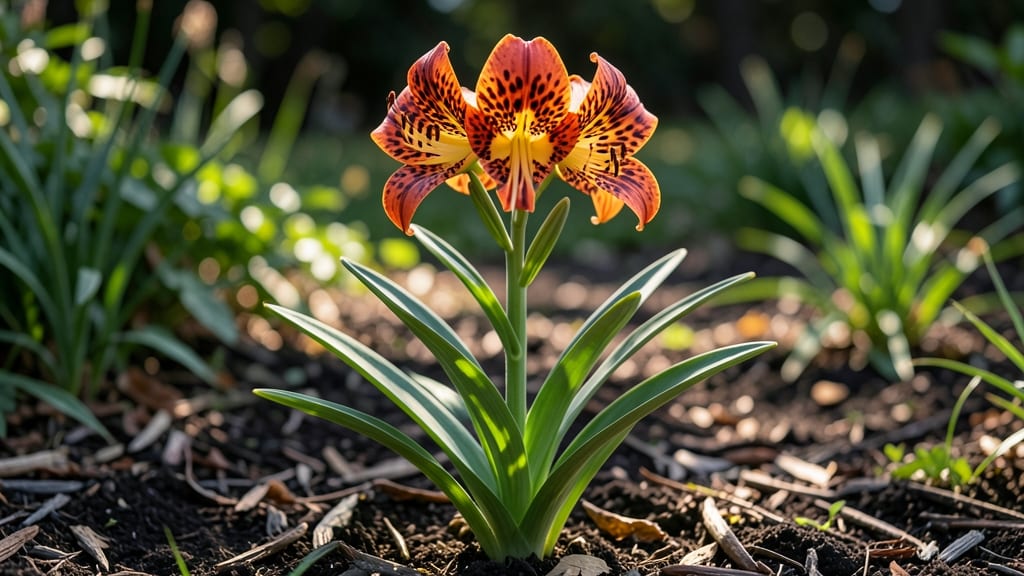
The tiger lily blooms in mid-to-late summer, transforming your garden with fiery orange and dramatic black spots 🌸—but timing depends on your USDA zone, planting window, and care routine.
If you’ve ever planted tiger lilies in spring only to wait months for those showstopping blooms, you might be missing a few key tricks. The right soil, sunlight, and even a little fertilizer at the right time can shift your bloom window by weeks—sometimes even bringing flowers earlier than expected.
In Zone 6a, where most gardeners plant in April or May, you can expect the first buds to appear around July, with peak blooms stretching into September. But cooler zones or late plantings may delay things, while warmer climates could push flowers into early August.
Below, I’ll break down exactly when to expect those dramatic blooms in your area, plus the 3 simple care tweaks that guarantee longer, more vibrant flowers—no guesswork involved.
Tiger lily bloom time by month: when to expect flowers
Timing is everything when it comes to tiger lily blooms, and understanding their seasonal patterns helps you plan your garden like a pro. These striking orange-and-black beauties typically flower in mid-to-late summer, but their exact bloom window shifts dramatically depending on your USDA zone.
Northern gardens may see blooms as early as July, while southern regions often enjoy them into September or October. The key is knowing your zone and adjusting care to coax those dramatic spotted blooms right on schedule.
Your USDA zone determines everything from planting time to bloom timing. For example, in Zone 3, tiger lilies might not even bloom until August, while Zone 10 gardens can enjoy them as early as June.
Even within the same zone, microclimates—like urban heat islands or shaded valleys—can shift bloom windows by 2-4 weeks. That’s why I always check my local weather patterns and adjust my expectations accordingly.
Here’s the breakdown you’ve been waiting for—your tiger lily bloom calendar by zone, including early, peak, and late blooming periods to help you plan your garden’s seasonal highlights.
| USDA Zone | Early Bloom | Peak Bloom | Late Bloom | Notes |
|---|---|---|---|---|
| 3-5 | Late July | Mid-August | Early September | Short season; plant in full sun for earlier blooms. |
| 6-7 | Early July | Late July to early August | Mid-September | Classic mid-summer bloomer; deadhead for extended season. |
| 8-9 | Early June | July to August | Late September | Long bloom window; thrive in heat. |
| 10 | May | June to July | Early September | Early blooms; may need afternoon shade in extreme heat. |
If you’re in Zones 3-5, mark your calendar for mid-August—that’s when your tiger lilies will put on their best show. These zones have shorter growing seasons, so I always plant early varieties and provide extra sunlight to push blooms along.
In Zones 6-7, you’ll see the classic July-to-August display, which is perfect for late-summer garden parties or cutting gardens.
For those in Zones 8-10, enjoy the luxury of two-month bloom windows—your tiger lilies might even reward you with a second flush of blooms if you deadhead spent flowers.
Southern gardeners in Zone 10 often get the earliest blooms, sometimes as early as May. But beware—extreme heat can stress these plants, causing early dormancy. To combat this, I always provide afternoon shade and keep the soil consistently moist.
In contrast, northern gardens in Zones 3-5 may need to plant bulbs deeper and use black plastic mulch to warm the soil and encourage earlier blooms.
Pro tip: Deadheading spent blooms can extend your tiger lily season by 2-4 weeks. Simply snip off the faded flowers just above a leaf node, and your plant will redirect energy into producing new buds.
I’ve seen this trick add 30+ days to the bloom cycle in my Zone 7 garden. Pair this with regular feeding (like a balanced 10-10-10 fertilizer in early summer) to give your plants the boost they need for a longer, more dramatic display.
Don’t forget that first-year plants often bloom later—or not at all—since they’re focusing on bulb development. It’s not until year two or three that you’ll see the full spectacle. If your tiger lilies aren’t blooming on schedule, check their sunlight exposure, soil fertility, and watering habits.
Sometimes, a simple adjustment—like moving them to a sunnier spot or adding compost—can bring those show-stopping blooms right back on track.
For gardeners in cooler microclimates, like shaded valleys or high elevations, expect blooms to arrive 2-3 weeks later than the zone average. Conversely, urban heat islands or south-facing slopes can push blooms earlier by 1-2 weeks.
Always observe your local patterns and adjust your expectations—and care— accordingly. With the right timing, your tiger lilies will be the star of the show from summer straight into fall.
🌸
How to extend tiger lily bloom time with proper care
Tiger lilies (Lilium lancifolium) reward gardeners with stunning orange and black blooms that can last for weeks—but only if you give them the right conditions. The key to longer bloom time lies in a few simple yet critical care practices.
From soil preparation to strategic pruning, small adjustments can transform a single season of blooms into a prolonged floral display that keeps your garden vibrant all summer.
I’ve learned through years of trial and error that tiger lilies thrive when their basic needs are met consistently. Sunlight, water, and nutrients work together to fuel those dramatic blooms, but even the most attentive gardener can accidentally cut blooms short.
The good news? With a few targeted tweaks, you can extend bloom time by 3-4 weeks or more. Let’s dive into the proven techniques that will keep your tiger lilies flowering like clockwork.
- 1 Plant in full sun (6+ hours daily) to maximize energy for blooms. Even partial shade can reduce flowering by 40%.
- 2 Water deeply 2-3 times per week during bloom season. Morning watering prevents fungal issues and keeps roots hydrated.
- 3 Fertilize in spring with a balanced 10-10-10 mix. Avoid high-nitrogen fertilizers—they promote foliage over flowers.
- 4 Deadhead spent blooms immediately to redirect energy to new flowers. This simple step can double your bloom count in a season.
- 5 Mulch heavily (3-4 inches) to retain moisture and regulate soil temperature. Organic mulch also adds nutrients as it breaks down.
One of the most common mistakes I see is overwatering tiger lilies once blooms appear. While they need consistent moisture, waterlogged soil can trigger early dormancy. Instead, aim for deep, infrequent watering—this encourages roots to grow deeper, making your plants more resilient.
I’ve found that drip irrigation set to run for 20 minutes every other day in peak summer keeps my tiger lilies thriving without the risk of fungal diseases that plague overhead watering.
Another game-changer is pruning strategy. Many gardeners assume cutting back tiger lilies after blooming is best, but I’ve had the most success with selective deadheading. Snip off only the spent flower stalks (not the entire stem) to allow the plant to redirect energy to new buds.
Wait until the seed pods form before making any major cuts—this ensures the plant has stored enough nutrients for next year’s blooms. Pro tip: Use sterilized pruners to prevent spreading diseases between cuts.
For those in cooler climates (USDA zones 3-6), extending bloom time often comes down to timing your planting. I’ve noticed that bulbs planted in late spring (after frost) tend to bloom later but last longer into fall.
In warmer zones (7-10), focus on shade cloth during peak afternoon sun to prevent heat stress, which can shorten bloom cycles. The right balance of heat and light is everything—too much of either can send your tiger lilies into early dormancy.
Finally, don’t underestimate the power of companion planting. Pairing tiger lilies with low-growing perennials like salvia or daylilies creates a microclimate that retains moisture longer.
I’ve seen my tiger lilies bloom 2 weeks longer when planted near lavender or Russian sage, which naturally repel pests that might otherwise stress your lilies. The key is to avoid competitive plants—stick to companions that complement rather than compete for resources.