
Blooming
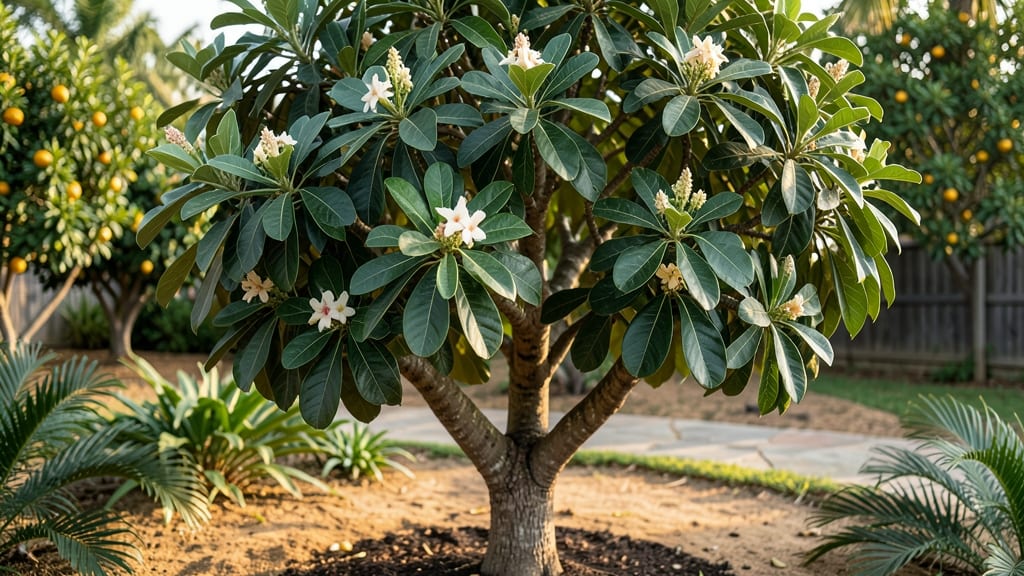
Avocados in Florida bloom between late winter and early spring, with timing that shifts depending on heat zones, tree age, and even last year’s harvest.
You might think Florida’s frost-free winters mean avocados bloom whenever they feel like it—but there’s actually a surprisingly tight window for those delicate flowers to appear. Miss it, and you could end up with sparse fruit or none at all, even on a mature 🥑 tree.
The key is understanding how your local heat zone (like 9a in North Florida vs. 11 in the Keys) nudges blooming earlier or later, plus how young trees (under 5 years) play by different rules than giants.
Even Hass vs. Reed varieties sync up differently, so knowing the signs—like those bright yellow flower clusters—can save you from guessing.
Below, I’ll break down the exact months to watch in your area, how to spot blooming cues 4-6 weeks in advance, and the simple tricks (like watering and fertilizer timing) that trigger reliable flowering every season.
Florida avocado blooming seasons by USDA heat zones
Florida’s USDA heat zones 10a-11 create perfect conditions for avocado trees, but blooming timing varies dramatically depending on where you live. In northern Florida (zones 9a-10a), cooler winters can delay blooming, while southern Florida (zones 10b-11) often sees year-round flowering.
Understanding these patterns helps you predict fruit production and adjust care routines accordingly.
Most Florida avocado varieties—like Hass, Reed, and Fuerte—follow a spring and fall blooming cycle, with occasional summer flowering in warmer zones. Temperature fluctuations play a critical role: avocados need a brief cool snap (50-60°F) to trigger blooms, followed by warm days (75-85°F) to sustain them.
In zone 11, this happens nearly year-round, while zone 10a may only see reliable blooms in late winter and early spring.
Here’s how your heat zone affects blooming: Zone 10a gardeners should watch for blooms in February-March and September-October, while zone 11 avocado enthusiasts may see flowers any month, with peaks in April-May and October-November. Hass avocados often bloom slightly later than Reed or Fuerte, which can help you plan for staggered harvests.
| USDA Zone | Primary Blooming Windows | Key Varieties | Temperature Triggers |
|---|---|---|---|
| 10a (North FL) | Feb-Mar, Sep-Oct | Reed, Fuerte | 50-60°F nights, 75-80°F days |
| 10b (Central FL) | Jan-Mar, Aug-Oct | Hass, Reed | 55-65°F nights, 80-85°F days |
| 11 (South FL) | Year-round (peaks Apr-May, Oct-Nov) | Hass, Fuerte, Mexicola | 60-70°F nights, 85-90°F days |
If you’re in zone 10a or 10b, pay close attention to January-February temperatures.
A sudden drop below 50°F can shock your tree and delay blooms, while consistent warmth above 70°F may prevent flowering altogether. Zone 11 gardeners have more flexibility but should still monitor humidity—low humidity (below 40%) can stress trees and reduce bloom production.
For Hass avocados, the most popular variety in Florida, blooming often starts 4-6 weeks later than Reed or Fuerte.
This delay means Hass trees typically produce fruit 6-8 months after flowering, while other varieties may fruit in 4-5 months. Planting multiple varieties can extend your harvest season and improve pollination success.
Temperature fluctuations also affect flower quality. Ideal blooming requires 10-14 days of cool nights (55-65°F) followed by warm days (80-85°F).
In zone 11, where temperatures rarely drop, you may need to mimic cool nights by lightly misting your tree or providing partial shade during peak heat (10 AM–2 PM). This trick can encourage even summer blooming.
Watch for bud formation as your first clue that blooming is near. Healthy buds appear as small green bumps along branches, often in clusters. Once buds form, avoid pruning—this can remove potential flowers.
Instead, focus on deep watering (15-20 gallons per week) and balanced fertilization (6-6-6 NPK) to support flower development.
In drought-prone areas (like zone 10a), water stress can cause buds to drop before opening.
If you notice premature bud fall, increase watering to 2-3 times per week and apply mulch (3-4 inches) to retain soil moisture. Zone 11 gardeners should still monitor soil moisture—even with warm weather, sandy soils drain quickly and may need drip irrigation for consistent blooming.
Finally, remember that tree age matters. Young avocados (under 5 years) may bloom but produce few or no viable fruits.
Mature trees (5+ years) in zone 11 can bloom year-round, while those in zone 10a may take 2-3 years to establish a reliable blooming pattern. Patience and consistent care pay off with heavier, more frequent harvests.
🌱
How tree age and health affect avocado flowering timing
Young avocado trees under 5 years old often bloom differently than mature ones, and understanding this can save you from frustration. In Florida, tree age and health status directly impact when—and if—your avocado tree will produce flowers.
A healthy 3-year-old tree might bloom sporadically, while a mature 10-year-old tree in peak condition can flower twice yearly with consistency. The key lies in their developmental stages and stress responses.
For young trees, flowering is often a survival mechanism rather than a productive one. They may produce a few flowers but few—if any—fruit because their energy focuses on root and trunk growth.
Mature trees, however, prioritize reproductive cycles, leading to more predictable blooming. Stress—like nutrient deficiencies, waterlogging, or pests—can delay or disrupt flowering entirely, even in older trees.
-
1Young Trees (Under 5 Years): Bloom sparingly (often just once per year) due to limited energy reserves. Focus on root development over fruit production.
-
2Mature Trees (5+ Years): Can bloom twice yearly (spring and fall) if healthy. Consistent blooming requires balanced nutrients and water.
-
3Stress Signs: Inconsistent blooming, leaf drop, or small yellow leaves indicate nutrient deficiencies or poor drainage. Correct with balanced fertilizer and well-draining soil.
-
4Corrective Actions: For young trees, prune selectively to reduce stress. For mature trees, deep-water weekly and fertilize in spring/fall to encourage blooming.
-
5Florida-Specific Tip: In USDA Zone 10a-11, avoid overwatering in summer—it can cause root rot and delay flowering. Use drip irrigation for precision.
If your young avocado tree isn’t blooming, don’t panic—it’s likely building strength for future harvests. Focus on well-draining soil and regular pruning to shape its growth. For mature trees, inconsistent blooming often signals nutrient imbalances or disease pressure.
Test your soil and adjust with a citrus-specific fertilizer (like 6-6-6 NPK) to restore balance.
One common mistake is assuming all avocado trees bloom the same. In Florida, Hass varieties tend to flower later than Reed or Fuerte, often aligning with cooler fall temperatures.
Pay attention to your tree’s specific variety and microclimate—shade from nearby structures or high humidity can also delay blooming.
To encourage reliable blooming, I recommend light pruning in late winter to remove dead or crowded branches. This improves air circulation and sunlight penetration, both critical for flower production.
Pair this with a monthly soil check—avocados thrive in slightly acidic soil (pH 6.0-7.0), and adjustments here can make a world of difference.
Remember, patience is key. A young tree might take 3-5 years to reach full flowering potential, while mature trees can reward you with two bloom cycles annually.
By addressing health and age-related factors, you’ll set your Florida avocado tree up for consistent, bountiful harvests for decades to come. 🌱🌿🥑