
Blooming
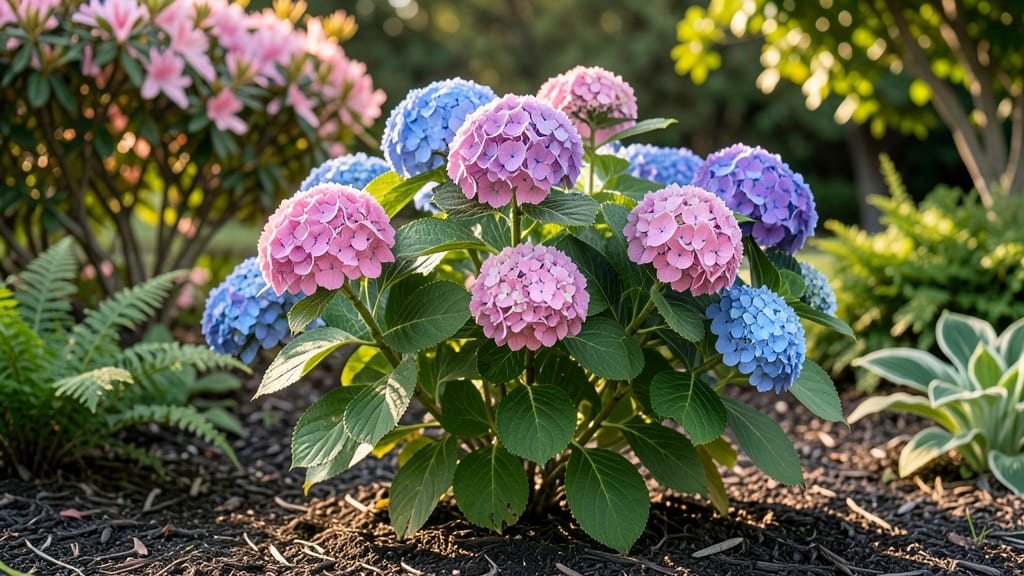
Hydrangeas bloom in Georgia between late spring and early fall, with bigleaf varieties typically showing off their 🌸 colors from May through July, while panicle types stretch the show into September.
If you’ve ever waited all spring for those lush blooms—only to see them fade before summer’s end—you’re not alone. Georgia’s humid summers and mild winters create the perfect conditions, but timing is everything.
Miss the frost-free window, and you might end up with a shrub full of leaves but no flowers.
This guide breaks down the exact bloom windows for Georgia’s most popular hydrangeas, including regional differences between Atlanta’s cooler hills and Savannah’s warmer coast. You’ll also learn how to adjust care—like pruning and soil pH—to coax extra blooms and extend the season.
Ready to turn your garden into a year-round hydrangea highlight? Here’s how to predict, encourage, and prolong those show-stopping blooms in 7b-8b zones.
Georgia hydrangea blooming seasons: bigleaf vs. panicle timeline
Georgia’s USDA zones 7b-8b create ideal conditions for hydrangeas, but bloom timing varies between bigleaf (mophead/lacecap) and panicle varieties. Bigleaf hydrangeas typically bloom on old wood (previous year’s growth), while panicle types bloom on new wood (current year’s growth). This difference means their schedules don’t always align—especially after late frosts.
Understanding these month-by-month patterns helps you plan pruning, fertilizing, and even where to plant them in your yard. For example, Atlanta’s cooler microclimates delay blooms by 2-3 weeks compared to Savannah’s warmer coastal zone. Let’s break down what to expect and how to adjust care for each type.
Bigleaf hydrangeas like 'Endless Summer' (a reblooming exception) start showing buds in late April across Georgia, but full blooms don’t appear until late May or June. The key difference?
Reblooming varieties produce two flushes of flowers: the first on old wood (spring) and the second on new wood (late summer). Non-rebloomers like 'Nikko Blue' rely entirely on last year’s growth, so pruning at the wrong time can mean no blooms at all.
Panicle hydrangeas, however, are more forgiving. Their new wood blooms appear later in the season, often starting in June and lasting until September or October. In Savannah’s warmer climate, you might even see October blooms if the weather stays mild.
The trade-off? They typically bloom 2-4 weeks later than bigleaf types in cooler areas like Atlanta.
Regional variations matter. In Augusta (Zone 8b), where winters are milder, panicle hydrangeas can start blooming as early as May, while in Atlanta (Zone 7b), you might not see them until late June.
This delay happens because cooler spring temperatures slow down growth. If you’re in a microclimate with urban heat islands (like downtown Atlanta), blooms may appear 1-2 weeks earlier than in rural areas.
Late frosts are the biggest wildcard. A hard freeze in March or April can damage buds on bigleaf hydrangeas, causing them to skip spring blooms entirely. Panicle types are more resilient because their buds form later, but severe frosts can still reduce bloom size.
To protect your plants, cover them with frost cloth if a freeze is forecasted in March or early April.
Bloom duration also varies. Bigleaf hydrangeas typically shine for 6-8 weeks, while panicle types can last 10-14 weeks—making them the longer-lasting choice for Georgia gardens.
If you want year-round interest, pair both types: plant bigleaf hydrangeas for summer color and panicle types for late-summer to fall blooms.
Pro tip: Use mulch to regulate soil temperature and extend blooms. A 3-inch layer of organic mulch (like pine straw or shredded bark) keeps roots cool
How to predict your hydrangea’s bloom time in Georgia
Predicting your hydrangea’s bloom time in Georgia starts with understanding the two key factors: variety type and local microclimates. Bigleaf hydrangeas typically bloom on old wood (last year’s growth) from late spring to early summer, while panicle types bloom on new wood (current year’s growth) in mid-to-late summer.
However, Georgia’s 7b-8b climate zones mean timing can shift by weeks depending on your exact location.
Urban areas like Atlanta often experience heat islands that delay blooms by 1-2 weeks compared to rural regions near Savannah. To fine-tune predictions, track your last frost date (typically mid-March) and adjust care routines accordingly. The sooner you act, the sooner those showy blooms will appear!
- 🌸 Bigleaf Hydrangeas: Bloom May-June on old wood; prune right after blooming to avoid cutting off next year’s flowers.
- 🌿 Panicle Hydrangeas: Bloom July-August on new wood; prune late winter to encourage fresh growth.
- 🔥 Soil pH Tip: Test your soil—acidic (5.5 or lower) turns blooms blue, while alkaline (7.0 or higher) produces pink flowers.
- ✂️ Pruning Rule: Never cut more than 1/3 of the plant at once to maintain bloom potential.
- 🌡️ Microclimate Hack: Urban areas? Add 2-3 inches of mulch to cool roots and extend bloom season by 10-14 days.
For first-time gardeners, start with a simple checklist: test your soil pH, prune at the right time, and monitor local frost dates. Bigleaf hydrangeas like ‘Endless Summer’ are rebloomers, meaning they’ll produce flowers on both old and new wood—ideal for Georgia’s unpredictable spring weather.
Panicle types like ‘Limelight’ thrive in full sun and often bloom later, making them perfect for extended summer color.
Adjust your watering schedule based on bloom stage: newly planted hydrangeas need deep watering twice weekly until established, while mature plants prefer consistent moisture without soggy soil. Overwatering can stress plants and delay blooms, so always check soil moisture 2 inches below the surface before watering.
Don’t forget about fertilizer timing—apply a balanced 10-10-10 formula in early spring (March) to jumpstart growth, then again in mid-June to support late-season blooms. Avoid high-nitrogen fertilizers, which encourage leafy growth at the expense of flowers.
For reblooming varieties, a light feeding in early August can coax a second flush of blooms before frost.
Finally, pay attention to your hydrangea’s foliage color as an early bloom predictor. Healthy green leaves in early spring signal strong root systems ready for flowering. Yellowing leaves? It might indicate overwatering or nutrient deficiencies, both of which can delay blooms.
With these tips, you’ll have predictable, stunning hydrangea blooms that steal the show all season long! 🌿