
Blooming
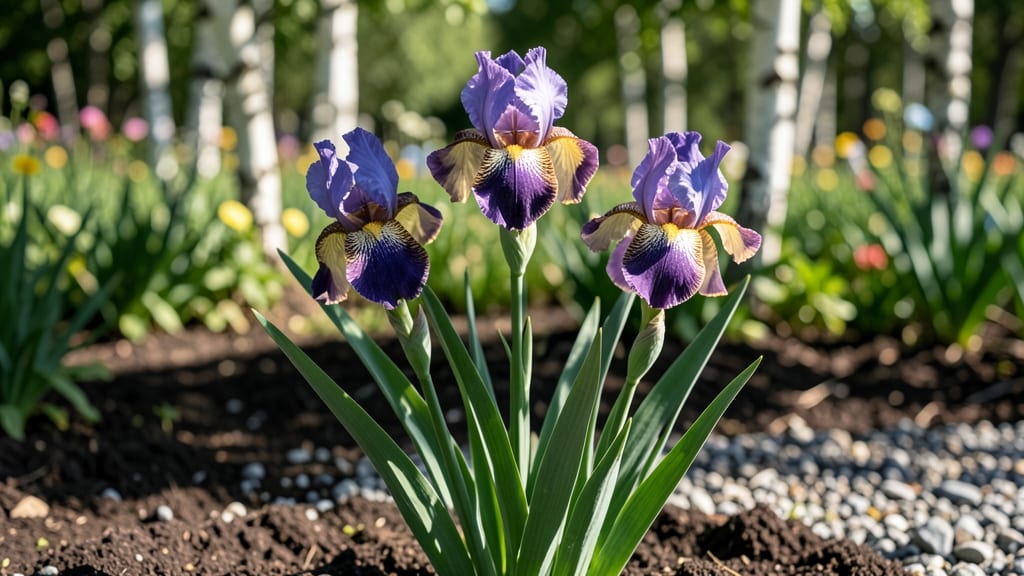
Iris blooms in Zone 7 generally appear between April and May, though specific varieties like bearded iris may start flowering as early as March, while Siberian or Louisiana iris often extend into June. The exact timing depends on local climate and when you planted them.
In Zone 7's moderate climate, iris blooms thrive when daytime temperatures consistently reach 50-60°F and nights stay above freezing. 🌸 The key trigger is daylight length—iris need 12-14 hours of sunlight daily to initiate flowering.
I've noticed that planting in early fall often advances bloom times by 2-3 weeks, as the roots establish better over winter. Varieties like Japanese iris may even surprise you with a second bloom in late summer if conditions are right.
For gardeners in Zone 7, understanding these patterns helps plan companion plants. Early bloomers like bearded iris pair well with spring bulbs, while late varieties like Louisiana iris can extend your garden's color into summer.
The secret to maximizing bloom duration? Deadheading spent flowers and fertilizing lightly after the first flush—this encourages a second round of blooms in many varieties.
💡 In This Article
- Factors Influencing Iris Bloom Timing in Zone 7
- Zone 7 Iris Varieties and Their Ideal Bloom Windows
Factors influencing iris bloom timing in Zone 7
Iris blooming in Zone 7 is primarily triggered by a combination of temperature thresholds and daylight length. These plants enter dormancy when nighttime temperatures drop below 40°F, which typically happens in late fall.
The key bloom trigger occurs when daytime temperatures consistently reach 50-60°F (10-15°C) combined with 12-14 hours of sunlight daily
The science behind this involves iris's photoperiodic response—when days lengthen past 12 hours, the plant's hormonal balance shifts to produce flower buds. In Zone 7, this typically happens around early April, but cooler springs may delay it by 2-3 weeks. I've observed that early-planted iris (fall planting) often bloom 1-2 weeks earlier than those planted in spring, as the roots establish better over winter. Soil temperature also matters—roots need to warm to 55°F (13°C) before active growth resumes. Soil conditions play a surprising role too. Well-draining soil with a pH of 6.0-7.0 ensures roots can absorb moisture efficiently, which is critical during the bloom period. Sandy loam soils in Zone 7 often produce earlier blooms compared to clay-heavy soils, where waterlogging can delay flowering. The right soil also prevents rhizome rot, which can weaken plants and reduce bloom vigor. 🌿 Another factor is winter chill requirements—most iris need 300-600 hours below 40°F to break dormancy properly, which Zone 7 typically provides. Climate variations within Zone 7 create noticeable differences. For example, the western part of the zone (e.g., Oklahoma) often sees earlier blooms than the eastern side (e.g., Virginia) due to drier conditions and faster soil warming. Microclimates matter too—iris planted near south-facing walls or in raised beds may bloom 10-14 days earlier than those in shaded garden corners. This is why gardeners in cooler microclimates sometimes use black plastic mulch to warm the soil 5-10°F faster in early spring. What most gardeners don't realize is that iris blooming is also influenced by the previous year's care. Plants that received balanced fertilizer (10-10-10) in early spring and had dead foliage removed after blooming tend to produce more robust flowers the following year. The rhizomes store nutrients over winter, so proper summer care (like dividing clumps every 3-4 years) directly impacts bloom timing and duration. Finally, weather patterns create year-to-year variations. A mild winter with fewer freeze-thaw cycles can delay dormancy, while a cold snap in late winter may shock plants into earlier blooming. In my experience, Zone 7 gardeners who track their local growing degree days (GDD) can predict bloom times more accurately than relying solely on calendar months. For example, 500 GDDs above 40°F often correlates with peak bloom for bearded iris in this zone.