
Blooming
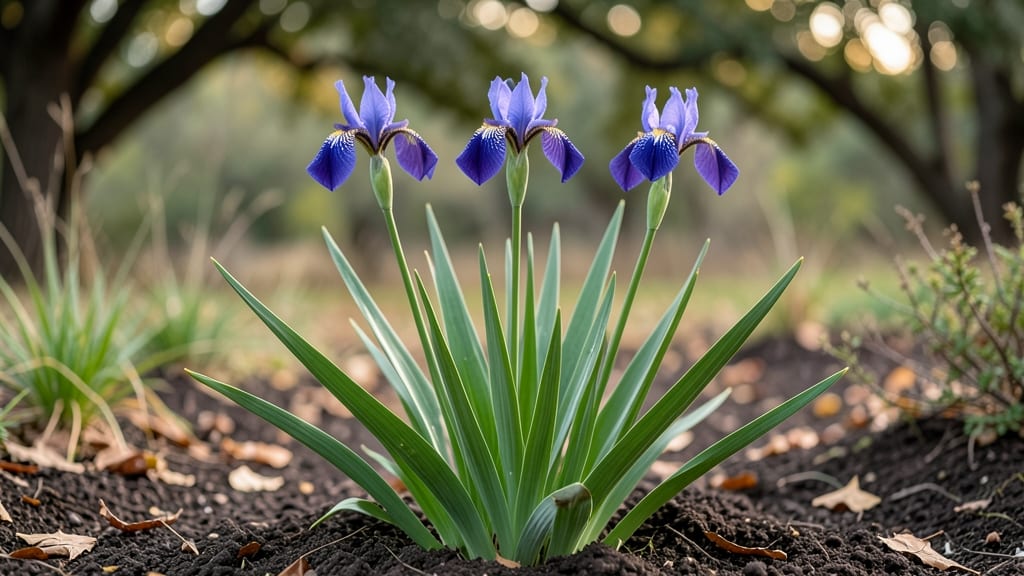
Irises in Texas bloom between February and May, with exact timing depending on your zone and variety—think of it as a three-month window that shifts north to south.
Texas gardeners know timing is everything—especially when it comes to irises, whose vibrant blooms can transform your landscape if planted at the right moment. But with Texas' diverse climate zones, figuring out the perfect bloom window can feel like solving a puzzle.
North Texas irises often kick off in late February or March, while South Texas varieties may wait until April or even May. The key? Understanding your USDA zone and choosing the right iris type for your area.
Below, I’ll break down the best months for blooms by region, plus pro tips to coax those 🌸 beauties into full, healthy color—no matter where you garden in the Lone Star State.
Texas iris bloom seasons by USDA climate zones (with exact months)
Texas gardeners know timing is everything—especially when it comes to irises, whose vibrant blooms can transform your landscape if planted at the right moment.
But with Texas' diverse climate zones, figuring out the perfect bloom window can feel like solving a puzzle. Understanding your USDA zone and the specific iris varieties you plant is key to unlocking a garden bursting with color from early spring to late summer.
Texas spans 9 USDA climate zones (8a through 10b), each with distinct temperature patterns that affect when irises bloom. Northern Texas zones (8a-8b) experience cooler winters and earlier springs, while Southern Texas zones (9a-10b) enjoy extended growing seasons with later frost dates.
Even within these zones, microclimates can shift bloom times by weeks.
For this guide, I'll break down bloom timing for three popular iris varieties—Louisiana irises, German irises, and Siberian irises—across all Texas zones.
Each type has unique preferences: Louisiana irises thrive in humid Southern climates, German irises prefer cooler Northern regions, and Siberian irises adapt well to Texas' heat and drought once established.
Pro tip: Planting a mix of these varieties lets you enjoy continuous blooms from February through June. The secret? Strategic spacing and understanding how each type responds to your local climate. Let’s dive into the exact months for each zone.
| USDA Zone | Louisiana Iris | German Iris | Siberian Iris | Key Notes |
|---|---|---|---|---|
| 8a (North Texas) | Feb 20 - Mar 20 | Mar 15 - Apr 15 | Apr 1 - May 1 | Cool springs delay Louisiana blooms; Siberians bloom latest due to heat tolerance. |
| 8b (North-Central) | Feb 15 - Mar 15 | Mar 10 - Apr 10 | Mar 25 - Apr 25 | German irises thrive here; Louisiana irises bloom earliest in Texas. |
| 9a (Central) | Jan 20 - Feb 15 | Feb 20 - Mar 15 | Mar 15 - Apr 10 | Milder winters allow Louisiana irises to bloom earliest in Texas. |
| 9b (Central-South) | Jan 10 - Feb 10 | Feb 15 - Mar 10 | Mar 10 - Apr 5 | Extended bloom season; Siberians handle heat better than German types. |
| 10a (South) | Dec 15 - Jan 15 | Jan 20 - Feb 10 | Feb 20 - Mar 10 | Louisiana irises bloom year-round in heat; German irises may struggle. |
| 10b (Deep South) | Nov 20 - Dec 20 | Dec 10 - Jan 10 | Jan 25 - Feb 15 | Louisiana irises dominate; German irises need shade to avoid heat stress. |
Notice how Louisiana irises bloom earliest in Southern zones (10a-10b), sometimes even in late November or December. This makes them perfect for gardeners in Houston, San Antonio, or the Rio Grande Valley who want winter color.
Meanwhile, German irises shine in Northern zones (8a-8b), where cooler springs trigger their blooms by mid-March to April.
Siberian irises offer a unique advantage—they bloom later than both types, often in April or May, when other irises have finished. This variety is heat-tolerant and drought-resistant, making it ideal for Central and North Texas gardens where summers arrive early. Plant them in full sun with well-draining soil to maximize their late-season performance.
If you live in Zone
How to adjust planting time for year-round Texas iris color
Staggering iris blooms across seasons is the secret to a non-stop color show in your Texas garden. By planting different varieties at strategic times, you can enjoy purple, yellow, and blue irises from early spring through late fall.
The key? Understanding each variety's natural bloom cycle and adjusting planting windows to match your USDA zone.
For example, Louisiana irises thrive in wet, boggy soils and bloom from summer to fall, while German irises prefer drier conditions and bloom in late spring. Siberian irises offer a cool-season option, blooming in early spring. Here’s how to sync their planting for year-round beauty.
- Step 1: Plant Louisiana irises in September for summer-fall blooms (zones 8-10).
- Step 2: Add German irises in October-November for spring blooms (zones 7-9).
- Step 3: Include Siberian irises in February for early spring color (zones 5-8).
- Step 4: Amend soil with compost and sand to improve drainage—critical for Texas’ alkaline soils.
- Step 5: Water deeply once weekly after planting, then reduce to every 2 weeks once established.
Soil prep is half the battle in Texas. Irises hate soggy roots, so mix 50% native soil with 50% coarse sand or perlite to prevent waterlogging. For heavy clay soils (common in East Texas), raise beds 6-12 inches off the ground to improve drainage.
A 2-inch layer of mulch (like pine straw) helps retain moisture while keeping roots cool.
Watering schedules shift with the seasons. In spring and fall, aim for 1 inch of water per week, delivered in the morning to reduce fungal risks. During Texas summers, cut back to every 2-3 weeks—irises are surprisingly drought-tolerant once established.
Overwatering in hot zones (9-10) can cause rhizomes to rot, so always check soil moisture 2 inches deep before watering.
For North Texas gardeners (zones 7-8), focus on fall planting for spring blooms, while South Texas (zones 9-10) can extend blooms into winter by planting heat-tolerant varieties like Aril irises.
Pro tip: Plant taller varieties (3-4 ft) toward the back of beds and dwarf types (1-2 ft) in front for layered color. With this strategy, your iris garden will bloom continuously from March to November.
Remember, patience is key. Established iris clumps may take 2-3 years to reach peak bloom, but the payoff—a year-round rainbow—is worth it. Start small with 3-5 varieties, track their bloom times, and adjust future plantings for even more color coordination. Happy gardening!