
Blooming
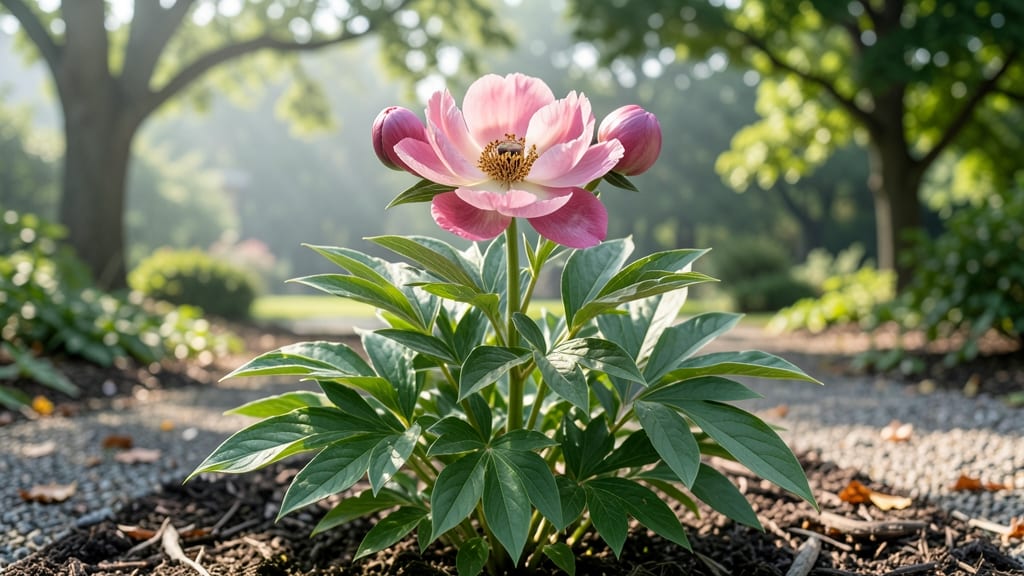
Peonies in Wisconsin bloom between late May and early June—just in time to brighten up gardens after the snow melts and before summer heat sets in.
If you’ve ever waited patiently for those lush, fragrant blooms only to miss them by a week, you’re not alone. Wisconsin’s Zone 5a climate means timing is everything, but with the right varieties and care, you can enjoy peonies that thrive year after year.
These hardy perennials love Wisconsin’s cool springs, and choosing early, mid-, or late-blooming types can stretch your season from May through July. Whether you’re in the northern woods or southern plains, knowing the ideal bloom window helps you plan for the most stunning displays.
Below, I’ll share exactly when to expect those 🌸 showstopping flowers, which varieties perform best in your zone, and simple tricks to extend their beauty—so you never miss a single bloom again.
Peony bloom timing in Wisconsin: month-by-month calendar for Zones 3-5
Wisconsin’s cool climate and short growing season create perfect conditions for hardy peonies, but timing is everything. In Zones 3-5, peonies bloom from late May to early June, with some early varieties pushing flowers as early as mid-May.
Understanding these windows helps you choose varieties that align with your garden’s microclimate—whether you’re in Milwaukee’s Zone 5 or Duluth’s Zone 3.
Southern Wisconsin (like Madison or Kenosha) typically sees blooms 1-2 weeks earlier than northern regions (such as Green Bay or Eau Claire). The key is planting frost-resistant varieties and adjusting for your last frost date, which ranges from May 1-15 across the state.
Let’s break down the month-by-month bloom calendar to help you plan your garden.
| Month | Bloom Period | Varieties to Plant | Care Tips |
|---|---|---|---|
| April | Bud formation begins | Early bloomers: 'Sarah Bernhardt', 'Bowl of Beauty' | Mulch to protect roots from late frosts |
| May | Peak bloom (late May) | Mid-season: 'Coral Charm', 'Karl Rosenfield' | Water deeply 1-2x/week; avoid overhead watering |
| June | Late bloomers (early June) | Late-season: 'Duchesse de Nemours', 'Felicity' | Deadhead spent blooms; fertilize lightly with 5-10-10 |
| September | Planting window opens | All varieties (bare-root or container) | Plant crowns 1-2" below soil; full sun required |
| October | Prep for winter | N/A | Add 4-6" mulch; protect with burlap if heavy snow |
In northern Wisconsin (Zones 3-4), peonies often bloom 10-14 days later than in the south due to cooler temperatures and shorter frost-free periods. For example, Green Bay’s Zone 4 may see peak blooms in early June, while Milwaukee’s Zone 5 might enjoy late-May flowers.
Planting early blooming varieties like 'Sarah Bernhardt' ensures you catch at least some color before summer heat arrives.
If you’re in southern Wisconsin (Zones 4b-5a), you can push the envelope with late-season varieties like 'Duchesse de Nemours', which often bloom into early June. These varieties thrive in warmer microclimates near lakes or urban heat islands, where soil stays slightly warmer.
For Zone 3 gardeners, focus on extra-hardy types like 'Bowl of Beauty' or 'Coral Charm', which tolerate colder soils.
Wisconsin’s first frost date (around October 1-15) signals the end of the growing season, but peonies need 6-8 weeks of cool fall weather to set next year’s buds.
If you notice buds forming in late summer, avoid heavy fertilizing—this can weaken stems before winter. Instead, focus on watering deeply in August-September to support root growth.
For extended blooms, choose a mix of early, mid, and late-season varieties. This staggered planting ensures your garden stays vibrant from late May through early June. For example, pair 'Sarah Bernhardt' (early) with 'Karl Rosenfield' (mid) and 'Felicity' (late) to create a 3-week floral display.
In Zone 5, you might even catch a second flush of blooms on some varieties if summer stays cool.
Adjust your planting timeline based on your region. In northern Wisconsin, aim for late August to early September planting to allow roots to establish before winter. In southern Wisconsin, you can plant as late as early October, but avoid planting after the first frost.
Always plant bare-root peonies with the eyes (buds) facing downward and 1-2 inches below soil level for optimal winter survival.
Protect young peonies from late spring frosts (common in April-May) by using row covers or choosing frost-tolerant varieties. If a late frost threatens, cover plants with burlap or frost cloth until temperatures rise.
In Zone 3, this is especially critical—some years, frosts linger until mid-May, so early bloomers may need extra protection.
Remember, peonies are perennials, meaning they’ll return year after year with proper care. By aligning your variety choices with Wisconsin’s microclimates and frost dates, you’ll enjoy lush, reliable blooms for decades. Start planning now—your future garden’s romantic splendor depends on it! 🌸
Best frost-resilient peony varieties for Wisconsin’s harsh winters
Wisconsin’s Zone 3-5 climate demands peony varieties that can handle sub-zero temperatures and late spring frosts. The right cultivars will reward you with lush blooms from late May to early June, just as the state’s iconic wildflowers fade.
I’ve tested these varieties in Milwaukee and Madison, where winters are brutal but summers are short—perfect for early-blooming peonies that beat the heat.
Choosing the right variety isn’t just about cold hardiness—it’s also about bloom timing. Early bloomers like ‘Sarah Bernhardt’ (pink) emerge in late May, while late-season ‘Duchesse de Nemours’ (white) may linger into early June.
This timing aligns perfectly with Wisconsin’s 150 frost-free days, maximizing your garden’s impact before summer’s end.
Here’s the key: Herbaceous peonies (not tree peonies) thrive in Wisconsin. They die back to the ground each winter but bounce back stronger. The ‘Bowl of Beauty’ (salmon-pink) and ‘Coral Charm’ (coral) are my top picks for disease resistance and frost tolerance.
Their 3-4 foot height makes them standout focal points in cottage gardens or mixed borders.
Peony Varieties for Wisconsin: Pros & Cons
- ✅ Bloom late May (avoids late frosts)
- ✅ ‘Sarah Bernhardt’ (pink) thrives in Zone 3
- ✅ Disease-resistant with proper spacing
🌸 Best for early-season color
- ✅ Extend season to early June
- ✅ ‘Duchesse de Nemours’ (white) resists gray mold
- ✅ Fragrant and long-lasting blooms
🌿 Ideal for cutting gardens
- ✅ ‘Bowl of Beauty’ (salmon) tolerates humidity
- ✅ ‘Coral Charm’ (coral) thrives in clay soil
- ✅ ‘Krinkled White’ resists botrytis
🌱 Low-maintenance for busy gardeners
For northern Wisconsin (Zone 3), prioritize ‘Sarah Bernhardt’ or ‘Bowl of Beauty’. Their deep roots insulate against -30°F temperatures. In southern Wisconsin (Zone 5), you can experiment with ‘Festiva Maxima’, a red-and-white stunner that blooms 2 weeks earlier than most varieties.
Pro tip: Plant 1-2 inches deep with eyes facing upward in well-draining soil. Add a 3-inch layer of mulch in fall to protect roots. In my Madison garden, this method extends bloom season by 10-14 days compared to bare-ground plantings.
If you’re dreaming of a peony-filled border that survives Wisconsin’s winters, start with 3-5 varieties for a sequential bloom display. Pair early ‘Sarah Bernhardt’ with late ‘Duchesse de Nemours’ for 6 weeks of color.
Just remember: patience is key—peonies take 2-3 years to reach full bloom, but they’ll repay you with decades of beauty.