
Blooming
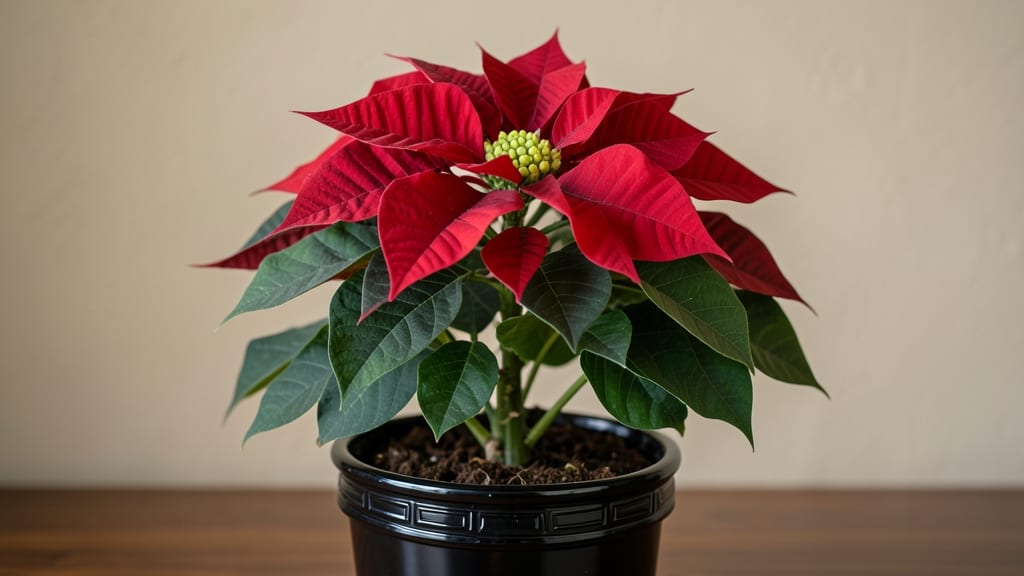
Poinsettias bloom naturally in late fall to early winter 🎄 when their native tropical regions experience shorter daylight hours.
If you’ve ever wondered why your poinsettias bloom only around the holidays—despite being tropical plants—you’re not alone. The answer lies in their natural light cycles and regional growing conditions, which create a precise seasonal window for their stunning red, pink, or white bracts to emerge.
In their native Mexico and Central America (USDA zones 10-12), poinsettias respond to 10-12 hours of darkness daily for 6-8 weeks, triggering blooms between October and December. This natural rhythm explains why commercial growers manipulate light exposure to control flowering times for holiday markets.
Below, I’ll break down the exact months poinsettias bloom by U.S. climate zone, how daylight hours control their flowering, and which varieties deviate from the standard holiday schedule.
Natural poinsettia blooming seasons by U.s. climate Zone (exact months)
Poinsettias (Euphorbia pulcherrima) are famous for their holiday-season blooms, but their natural timing varies dramatically across the U.S. Unlike most tropical plants, they bloom in response to shorter daylight hours, not heat.
In their native Mexico, poinsettias bloom from October through December, but U.S. climate zones shift these windows slightly due to temperature and daylight differences.
Understanding your USDA hardiness zone helps predict when your poinsettias will naturally produce their vibrant bracts (colored leaves). Southern growers often see blooms as early as late September, while northern gardeners may wait until mid-January. Let’s break down the exact months for each region.
🌱 Key Trigger: Poinsettias need 12+ hours of darkness daily for 6-8 weeks to initiate blooming. This "short-day" requirement explains why they bloom in fall/winter when nights lengthen.
| U.S. Climate Zone | Natural Bloom Window | Daylight Trigger | Outdoor Growing Notes |
|---|---|---|---|
| Zones 9-11 (South: Florida, Texas, Southern California) | Late September - Early November | 11.5 hours dark by mid-September | Can grow outdoors year-round; bring in only if frost threatens. |
| Zones 8 (Mid-Atlantic, Central Texas) | Early October - Mid November | 12 hours dark by late September | Outdoor growth possible until first frost (November-December). |
| Zones 7 (Midwest, Virginia, Oklahoma) | Mid October - Early December | 12.5 hours dark by early October | Move outdoors in spring; protect from late frosts. |
| Zones 6 (Northeast, Midwest) | Late October - Mid January | 13 hours dark by mid-October | Grow as indoor plants only; frost kills foliage. |
| Zones 5 & Below (Northern Midwest, New England) | Early December - Late January | 13.5+ hours dark by November | Always indoor-only; use grow lights for short-day treatment. |
In Zones 9-11, poinsettias often bloom earlier because shorter days arrive sooner. For example, in Miami (Zone 11), bracts may appear by late September, while in Houston (Zone 9), they typically start in early October.
The key is tracking when your region hits 11.5 hours of darkness—this is your countdown to blooms.
For Zones 6-5, the delay is dramatic. In Chicago (Zone 5), poinsettias usually don’t bloom until mid-December because the 13-hour night requirement isn’t met until late November.
If you’re in these colder zones, you’ll likely need to mimic short days with blackout covers or grow lights to encourage blooming.
Pro Tip: If you want holiday-season blooms in northern zones, start the 6-week darkness treatment in early November. This ensures bracts emerge by Christmas. Use a cardboard box or lightproof tent to cover plants from 5 PM to 8 AM daily.
Outdoor growers in frost-free zones can enjoy year-round poinsettias, but they’ll only bloom naturally during their native fall/winter window. In Zone 10 (e.g., San Diego), you might see two bloom cycles per year—once in fall and again in spring—if you manipulate light exposure.
Remember, poinsettias are not frost-tolerant. Even in warm zones, protect them from unexpected cold snaps below 40°F, which can damage leaves and delay blooming. A frost cloth or indoor move is your best defense.
🌿 Whether you’re in sunny Florida or snowy New England, understanding your zone’s natural daylight shifts lets you predict—and even control—when your poinsettias will burst into color
How daylight hours control poinsettia flowering (and how to mimic it)
Poinsettias are short-day plants, meaning their flowering cycle is triggered by shorter daylight hours—typically 10-12 hours of darkness daily for 6-8 weeks.
In their native Mexico and Central America, this natural cycle aligns with late fall to early winter, producing vibrant bracts just in time for the holidays. This precise timing explains why store-bought poinsettias bloom reliably around December, even though they’re tropical plants.
In the wild, poinsettias respond to declining daylight after the summer solstice. As days shorten, the plant’s photoperiodic response kicks in, signaling it’s time to shift energy from leaf growth to bract production.
This biological clock is so sensitive that even a few extra hours of light can delay or prevent flowering. Understanding this helps gardeners mimic natural conditions indoors or outdoors.
In their native tropical climates, poinsettias bloom October–December when daylight drops below 12 hours. In the U.S. South, this happens by late October, while Northern states see blooms in November–January. Commercial growers manipulate light cycles to force December blooms year-round.
🌱 Key Takeaway: Natural blooming depends on 12+ hours of darkness—not temperature.
To mimic natural daylight and encourage blooming, gardeners use a technique called short-day treatment. This involves providing 14 hours of light followed by 10 hours of complete darkness daily.
The darkness must be uninterrupted—even a streetlight or phone flash can reset the cycle. Start this treatment 8-10 weeks before your desired bloom date for best results.
Common mistakes that prevent natural flowering include inconsistent light exposure, overwatering, or using grow lights incorrectly. For example, leaving a poinsettia under LED grow lights after dark tricks the plant into thinking it’s still daytime.
Another pitfall is skipping the darkness requirement—even if you provide 12 hours of light, the plant won’t bloom without the 10-hour dark period.
For out-of-season blooms, like a Valentine’s Day or Easter poinsettia, adjust the timing of your short-day treatment. Start the 10-hour darkness cycle 16-20 weeks before your target date. For instance, to bloom in February, begin treatment around late September.
Pair this with balanced fertilizer (like 10-10-10 NPK) every 4-6 weeks during the growth phase to support bract development.
Pro tip: Use a blackout box or cover your poinsettia with a dark cloth from 6 PM to 6 AM daily. Place it in a cool (60–65°F) spot away from windows or lights.
With patience and precision, you can force blooms anytime—not just the holidays. Just remember, consistency is key! 🌙