
Blooming
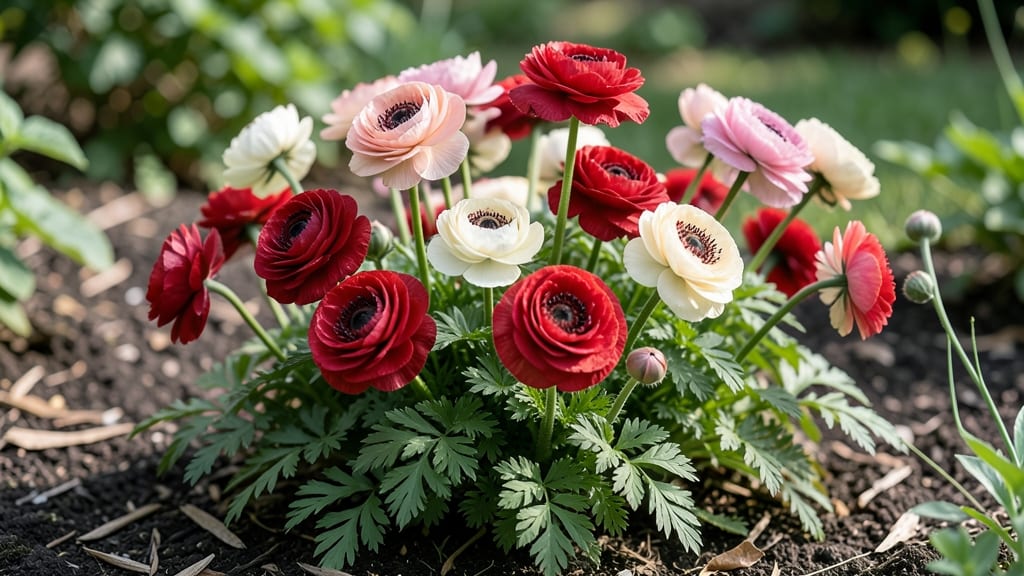
Ranunculus blooms in Zone 6 between late spring and early summer 🌸, with most varieties lighting up gardens in May and June—but timing varies based on planting season and local microclimates.
If you’ve ever wondered when those stunning, layered ranunculus blooms will light up your Zone 6 garden, the answer isn’t just a single month—it’s a carefully timed two-season spectacle that rewards patient gardeners with vibrant color twice a year.
Zone 6’s cooler springs often delay the first flush of blooms until late May, while warmer microclimates might see flowers as early as mid-April for bulbs planted in fall. The real magic? Many ranunculus varieties rebloom in late summer or early fall if given the right care.
Below, I’ll break down the exact months for first and repeat blooms, how to adjust planting times for your specific Zone 6 region, and the 3 key factors that extend your ranunculus season by weeks.
Ranunculus bloom timeline in Zone 6: first and second flowering seasons
Ranunculus flowers are famous for their layered, papery petals, but their blooming windows in Zone 6 often surprise gardeners. Unlike single-season bloomers, ranunculus rewards you with two distinct flowering periods—a spectacular spring display followed by a summer/fall rebloom.
Understanding these timelines helps you plan for maximum impact, especially since temperature fluctuations in Zone 6 can shift bloom dates by 1-2 weeks depending on your location.
The first blooms appear when soil temperatures rise consistently above 50°F, typically signaling the start of your spring garden season.
For most of Zone 6, this means late April to early May, but gardeners in northern Zone 6 (6a) may see delays until mid-May due to later frost dates. Southern Zone 6 areas often bloom 2-3 weeks earlier, with buds opening as early as late April.
Here’s how the two-season bloom cycle breaks down for Zone 6:
| Bloom Season | Typical Months (Zone 6) | Northern Zone 6 (6a) | Southern Zone 6 (6b) | Key Temperature Trigger |
|---|---|---|---|---|
| First Blooms (Spring) | Late April – Early June | Mid-May – Late June | Late April – Early June | Soil temp >50°F consistently |
| Second Blooms (Summer/Fall) | Late July – Early September | Early August – Mid-September | Late July – Early August | Daytime highs >75°F + 6+ weeks of growth |
| Total Bloom Duration | 8–10 weeks | 7–9 weeks | 9–11 weeks | Depends on deadheading and care |
The first bloom season is your main showstopper, lasting 3-4 weeks if you plant bulbs in fall (September-October). This aligns with the natural dormancy cycle of ranunculus, which needs 6-8 weeks of chilling to trigger blooms.
Gardeners who plant too late—after October 15—often see delayed or weaker spring blooms because the bulbs don’t get enough cold exposure.
Your second bloom window arrives 3-4 months later, typically in late July, and lasts 2-3 weeks. This rebloom is less dramatic but still stunning, especially if you’ve been deadheading spent blooms and providing consistent moisture.
The key to encouraging this second flush is maintaining even soil moisture and avoiding heat stress during summer’s peak.
Temperature plays a critical role in shifting bloom dates. In northern Zone 6 (6a), where last frosts can linger until May 15, ranunculus may not bloom until mid-May.
Meanwhile, in southern Zone 6 (6b), where frost risk drops by April 15, blooms often appear 2 weeks earlier. Heatwaves above 90°F can also shorten bloom duration, so providing afternoon shade during summer helps preserve petals.
To maximize both bloom seasons, time your planting carefully. For spring blooms, plant bulbs in September-October—this gives them enough time to establish roots before winter. For a fall rebloom, consider a second planting in late July, using pre-chilled bulbs to jumpstart growth.
This second planting will often bloom in late September-October, extending your color into early frost.
Pro tip: Deadhead spent blooms daily during the first season to redirect energy into new flower production. This simple step can extend your spring display by 1-2 weeks and improve the chances of a second bloom.
Pair ranunculus with low-growing annuals like snapdragons or sweet alyssum to create a continuous color cascade from spring through fall.
If you’re in Zone 6a, don’t be discouraged by late frosts—ranunculus is hardy to 20°F once established. Focus on protecting bulbs with mulch in early spring to accelerate warming.
For Zone 6b gardeners, take advantage of the earlier bloom windows by planting earlier varieties like ‘Buttercup’, which often blooms 10 days ahead of standard types.
🌸
How to extend ranunculus blooming in Zone 6: proven techniques for longer seasons
Ranunculus in Zone 6 typically bloom twice—once in late spring and again in early fall—but with the right techniques, you can stretch those vibrant displays by 4-6 weeks. The secret lies in strategic planting, proper chilling, and consistent care to prevent early dormancy.
Many gardeners miss the second bloom entirely because they don’t account for the plant’s 6-8 week chilling requirement after the first flush.
One of the biggest mistakes is planting ranunculus bulbs too late in spring. While they’re hardy, they need cool soil temperatures (below 60°F) to trigger root growth. If planted after March 15, they often bolt prematurely or fail to rebloom.
The key is to plant bulbs in September-October for a spring show or in February for a summer-fall extension.
📌 PROS-CONS BOX: Spring vs. Fall Planting for Extended Blooms
Spring Planting (Feb-March)
Pros:
- Longer first bloom (May-June)
- Second bloom possible if chilled properly
- Easier to manage in containers
Cons:
- Risk of bolting if too warm
- Second bloom unreliable in hot summers
- Requires careful watering during dry spells
Fall Planting (Sept-Oct)
Pros:
- Guaranteed spring bloom
- Better rebloom chances in fall
- Less bolting risk in cooler soil
Cons:
- Second bloom may fade early if frost comes
- Requires winter protection in colder Zone 6a
- Longer wait for first flowers
To maximize your ranunculus’ potential, deadhead spent blooms immediately—this isn’t just about looks. Removing faded flowers redirects the plant’s energy to new growth and encourages a second flush of blooms 6-8 weeks later.
Skip this step, and you’ll likely end up with leggy stems and fewer flowers. Pair deadheading with a light fertilizer application (5-10-10) every 4-6 weeks during active growth to keep them thriving.
Another game-changer is mulching. Apply a 2-inch layer of straw or shredded leaves around the base after planting to retain moisture and regulate soil temperature. This helps prevent the soil from drying out in Zone 6’s hot summers, which can stress the bulbs and cut blooms short.
In fall-planted ranunculus, mulch also protects bulbs from freeze-thaw cycles, which can damage emerging shoots.
If your ranunculus starts to bolt prematurely (sending up tall, skinny stems with few blooms), it’s usually a sign of too much heat or drought stress. Move potted plants to partial shade and increase watering to every 5-7 days during heatwaves.
For in-ground plants, shade cloth (30-50%) can make a huge difference. Bolting is often irreversible, but preventing it ensures your second bloom window stays open longer.
Finally, don’t overlook the power of strategic container gardening. Ranunculus thrive in pots, and you can rotate containers to follow the sun’s path—keeping them in morning sun and afternoon shade during peak summer months.
This simple trick can extend blooms by 2-3 weeks by avoiding the midday heat that shortens their lifespan. Plus, containers let you move plants indoors before the first frost, giving you indoor blooms well into November.