
Blooming
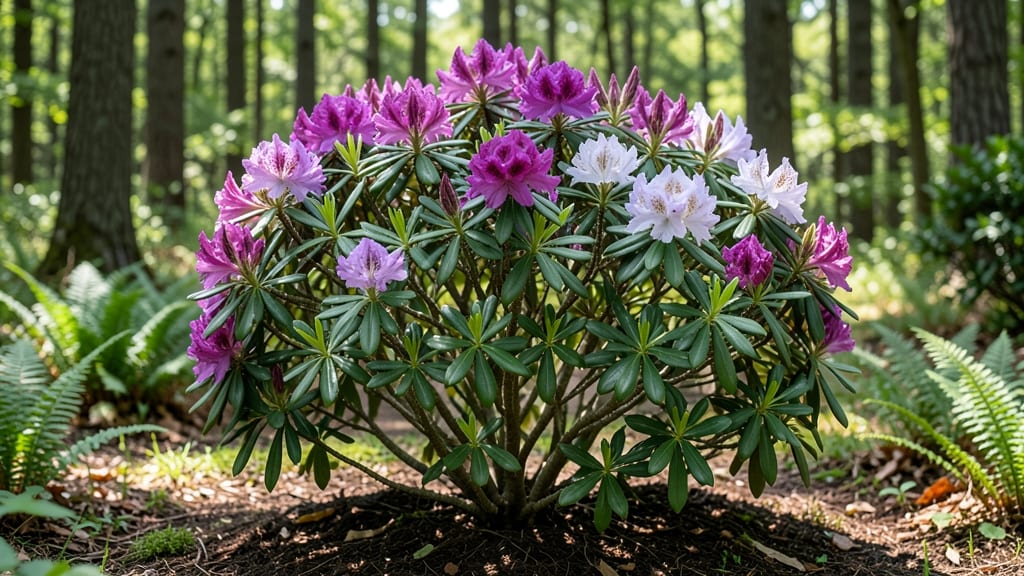
Rhododendrons bloom in Pennsylvania when temperatures consistently hit 50–60°F for several days, turning your garden into a 🌸-filled spring spectacle.
But here’s the catch: timing shifts wildly from the Poconos to Pittsburgh, with blooms appearing as early as late April in Zone 7a and lingering into early June in Zone 5b.
Miss this window, and you might catch buds fried by a late frost—or worse, never see them open at all.
For gardeners in PA, knowing your exact zone isn’t just about aesthetics—it’s about survival. A 3°F drop after buds swell can turn weeks of anticipation into a sad, brown mess.
That’s why I’ve broken down the zone-by-zone math behind bloom triggers, frost risks, and the top 5 varieties that thrive despite PA’s unpredictable springs.
Skip ahead to discover your rhododendron’s personal bloom calendar, plus 3 pro tips to protect your shrubs from Mother Nature’s last gasp of winter.
Pennsylvania rhododendron bloom timeline by hardiness zone (3-7)
Rhododendrons in Pennsylvania transform gardens into bursts of color each spring, but their bloom windows vary dramatically depending on your USDA hardiness zone. In zone 3 (northwest PA), blooms typically arrive later due to colder springs, while zone 7 (southeast PA) often sees earlier displays.
Understanding these patterns helps you select the right varieties and plan your garden's seasonal highlights.
Most rhododendrons bloom when daytime temperatures consistently reach 50-60°F for 3-5 days, triggered by a combination of warmth and daylight hours.
Early bloomers like 'Catawbiense' often open their buds as early as late April in zone 6, while late varieties such as 'Nova Zembla' may wait until early June in zone 4. This variation creates a stunning staggered display across the state.
Key factors influencing bloom timing include microclimates, elevation, and last frost dates. For example, Pittsburgh's zone 6b typically sees blooms 2-3 weeks earlier than Erie's zone 5b. Even within a single zone, a south-facing slope can trigger blooms 1-2 weeks earlier than a north-facing yard.
To maximize your rhododendron's potential, monitor your local average last frost date and adjust planting locations accordingly. Varieties like 'PJM' thrive in cooler zones, while 'Elizabeth' performs better in warmer microclimates. The right placement ensures your shrubs bloom at their optimal time rather than struggling against late frosts.
| Zone | Early Bloomers | Peak Bloom | Late Bloomers | Heat Trigger | Frost Risk |
|---|---|---|---|---|---|
| Zone 3 | 'PJM' (Late May) | Early June | 'Nova Zembla' (Early July) | 55-60°F for 5+ days | High (May 15) |
| Zone 4 | 'Catawbiense' (Late April) | Mid-May | 'Roseum Elegans' (Late June) | 50-55°F for 4+ days | Moderate (May 1) |
| Zone 5 | 'Elizabeth' (Early April) | Late April | 'Carolina Ruby' (Early June) | 48-53°F for 3+ days | Low (April 15) |
| Zone 6 | 'Nova Zembla' (Mid-March) | Early April | 'Purple Splendor' (Late May) | 50-58°F for 4+ days | Very Low (April 1) |
| Zone 7 | 'Catawbiense' (Late February) | Early March | 'Roseum Elegans' (Early May) | 52-60°F for 3+ days | None (March 15) |
In zone 3, where winters are harshest, rhododendrons like 'PJM' often wait until
How frost timing affects rhododendron blooms in PA (critical warning zones)
Rhododendrons in Pennsylvania are stunning spring stars—but their blooms face a hidden threat: late frosts. Even after buds swell with anticipation, a sudden 28°F drop can turn vibrant flowers into crispy brown husks overnight. This risk peaks in zones 5-6, where temperature swings are most unpredictable.
Most rhododendrons set buds in late summer/early fall, but they won’t open until daytime temps consistently reach 50-60°F for 3-5 days. The danger zone? When frost warnings appear after buds form but before blooming.
In western PA’s zone 6, this typically happens around mid-April, while eastern zone 5 gardens face risks until May 1st.
🚨 Critical Frost Warning for PA Rhododendrons
Zone 5: Frost risk extends until May 1st—wait to prune until after last frost date (typically April 15th).
Zone 6: Mid-April is peak danger—cover buds if 32°F forecast appears during bloom season.
Zone 7: Still vulnerable until April 20th—choose late-blooming varieties like 'Nova Zembla' for safer displays.
⚠️ Pro Tip: Monitor NOAA frost maps and protect with frost cloth if buds swell before consistent 50°F days.
Microclimates can shift frost timing by 1-2 weeks. South-facing slopes bloom 7-10 days earlier than north exposures, while valleys hold cold air longer. Even a 3-foot difference in elevation can mean the difference between damaged buds and full blooms.
Check your yard’s frost pockets by observing where morning dew lingers longest.
Mulch depth matters more than you think. A 4-6 inch layer of pine bark insulates roots but also delays soil warming—critical for spring blooms. In zone 5 gardens, reduce mulch to 2-3 inches in early spring to help soil warm faster.
Pair this with black plastic mulch around the base to absorb sunlight and speed up bud opening.
Frost cloth isn’t just for veggies—it’s a rhododendron lifesaver. When nighttime temps dip to 35°F after buds form, drape frost fabric (not plastic) over plants. Secure edges with bricks or stakes to prevent wind damage.
Remove by 10 AM to let sunlight trigger blooming. For large shrubs, use overhead frames to avoid crushing delicate stems.
If frost strikes after buds open, don’t despair. Prune only dead blooms—healthy buds will still emerge. For severe damage, feed with acid-loving fertilizer (10-10-10) in May to encourage robust regrowth. Next year, plant late-blooming varieties like 'Catawbiense' or 'Roseum Elegans' to avoid the frost window entirely.