
Blooming
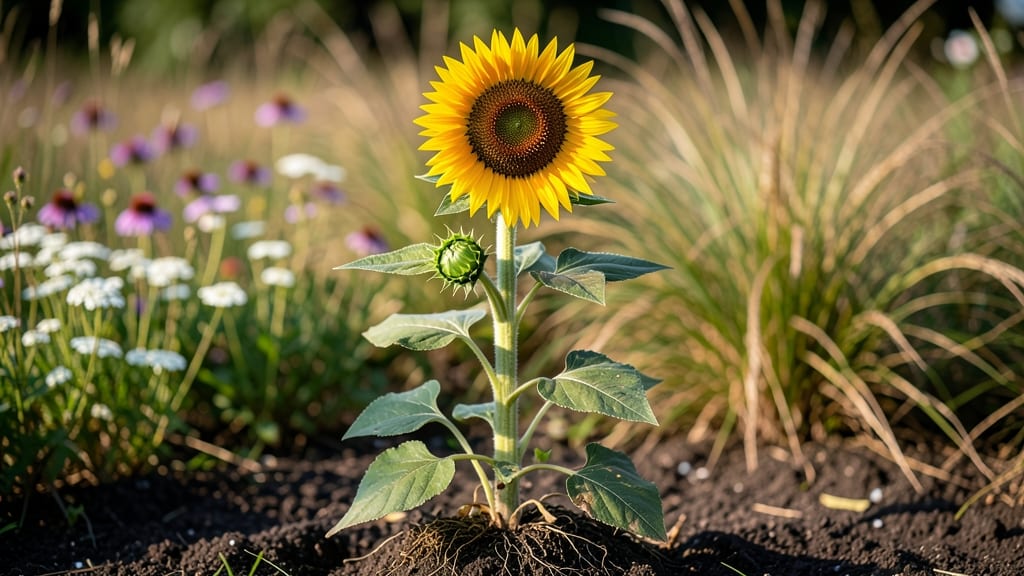
Sunflowers bloom in Illinois between late June and September, with peak flowering in July and August for most varieties planted in spring.
If you're dreaming of vibrant 🌻 fields swaying in Illinois' golden sunlight, timing is everything—plant too early or late, and you might miss their breathtaking bloom entirely. But don’t worry: with the right variety and planting schedule, you can enjoy sunflowers from early summer to crisp autumn.
In USDA zones 5b-6b, where Illinois falls, sunflowers thrive when planted after the last frost—typically mid-April to early June. Early varieties may bloom as soon as late June, while taller types like Mammoths often wait until August, giving you a staggered display.
Below, I’ll break down exactly when to expect blooms by variety, how to extend the season, and the game-changer tricks that keep your sunflowers flowering longer—even through Illinois' unpredictable weather shifts.
Sunflower bloom timelines in Illinois by variety (month-by-month guide)
Timing your sunflower planting in Illinois is the key to unlocking those iconic golden blooms from summer through fall. With USDA zones 5-7, Illinois gardeners can enjoy sunflowers blooming as early as July or as late as October, depending on the variety and planting schedule.
The secret lies in choosing the right sunflower varieties and understanding their days to maturity—some burst into bloom in just 50 days, while others take 120 days to reach their full glory.
For Illinois' climate, early summer blooms (June-July) often come from short-season varieties planted in April or May, while late-season varieties planted in June can extend your sunflower show into September or October.
The first frost (typically mid-October) marks the end of the season, so plan your varieties accordingly to maximize your blooming window.
| Variety | Days to Maturity | Bloom Period (IL) | Height | Planting Time |
|---|---|---|---|---|
| Teddy Bear | 50-60 days | July-August | 3-5 ft | April-May |
| Mammoth | 90-120 days | August-October | 10-14 ft | April-May |
| ProCut | 60-70 days | July-September | 5-7 ft | April-June |
| Autumn Beauty | 80-100 days | August-September | 4-6 ft | May-June |
| Moulin Rouge | 70-80 days | July-September | 6-8 ft | April-May |
*Bloom periods based on Illinois' average frost-free season (180 days). Adjust planting dates 1-2 weeks earlier for northern IL (Zone 5) or later for southern IL (Zone 7).
If you're aiming for early summer blooms, prioritize fast-maturing varieties like Teddy Bear or ProCut. These dwarf sunflowers (3-7 feet tall) bloom in just 50-70 days, making them perfect for April-May planting.
Their compact size also works well in containers or small gardens, while still delivering that cheerful sunflower charm.
For mid-season blooms that stretch your sunflower season into late summer, turn to varieties like Moulin Rouge or Autumn Beauty. These medium-height varieties (4-8 feet) take 70-100 days to bloom, giving you vibrant flowers from July through September.
Plant them in late April or May for optimal results, and watch as they transform your garden with their rich, multicolored petals.
The late-season giants like Mammoth sunflowers are the showstoppers of fall gardens. With tall stems reaching 10-14 feet, these varieties take 90-120 days to mature, meaning they won’t bloom until August or September.
However, their dramatic height and massive blooms make them worth the wait. Plant them in early spring (April) for a late-season spectacle that brightens up autumn landscapes.
Don’t overlook the power of succession planting to extend your sunflower season. By planting short-, mid-, and long-season varieties in staggered batches (every 2-3 weeks from April through June), you can enjoy continuous blooms from July through October.
This technique is especially useful in Illinois, where unpredictable weather can delay or speed up growth.
When planning your sunflower garden layout, consider both bloom timing and plant height. Place tall varieties (like Mammoth) at the back of borders to avoid shading smaller plants, while dwarf varieties (like Teddy Bear) can thrive in containers or front-row displays.
Grouping similar bloom times together creates stunning visual impact as colors shift from early summer yellows to late-season reds and oranges.
One pro tip for Illinois gardeners: pay attention to soil temperature. Sunflower seeds
How to extend sunflower blooming season in Illinois (planting tips for longer flowers)
Sunflowers in Illinois typically bloom from mid-July through September, but with the right strategies, you can stretch that vibrant display into early October. The key lies in succession planting, smart variety selection, and adapting to Illinois' unpredictable spring frosts and summer heatwaves.
I’ve learned that even a two-week difference in planting can mean weeks longer of golden blooms in your garden.
Start by choosing early, mid, and late-season varieties—this staggered approach ensures continuous blooms. For example, plant Teddy Bear varieties (50-60 days to maturity) in early May, followed by Mammoth types (90-120 days) in late May, and finish with ProCut hybrids (60-70 days) in early June.
This way, when your earliest flowers fade, others are just opening.
🌱 5 Pro Tips to Extend Sunflower Blooms
- 1. Succession Plant Every 2 Weeks – Start seeds indoors in March (for early May transplanting) and continue until late June for fall blooms.
- 2. Deadhead Faded Blooms – Remove spent flowers to redirect energy to new buds and prevent seed production that shortens the season.
- 3. Water Deeply 2x Weekly – Morning watering (before 10 AM) prevents fungal diseases and encourages taller, sturdier stems.
- 4. Use Mulch (2-3 inches) – Straw or wood chips retain moisture, regulate soil temp, and suppress weeds that compete for nutrients.
- 5. Fertilize Lightly in Spring – A balanced 10-10-10 at planting time boosts growth, but avoid over-fertilizing—it can lead to leafy growth over flowers.
Illinois’ variable weather can throw off bloom times, so monitor frost dates (average last frost: mid-April, first frost: mid-October). If a late frost threatens, cover young plants with frost cloth or row covers.
For fall blooms, plant heat-tolerant varieties like 'Autumn Beauty'—they thrive in 75-85°F and can handle early autumn chills better than others.
Don’t overlook soil preparation—sunflowers thrive in well-draining, slightly acidic soil (pH 6.0-7.0). Amend heavy clay soils with compost or sand to prevent waterlogging, which can rot roots and delay blooming.
I’ve seen gardens where poor drainage cut bloom time by 3-4 weeks—a simple soil test can save you from that mistake.
For container gardeners, choose dwarf varieties like 'Moulin Rouge' (3-4 feet tall) and plant them in large pots (12+ inches deep) with fast-draining mix. These bloom earlier and can be moved to sheltered spots to extend their season past the first frost.
Just remember: containers dry out faster, so water them every 3-5 days in summer.
With these strategies, you’ll enjoy sunflowers from late June to October—turning your Illinois garden into a year-round pollinator paradise. The secret? Plan ahead, stay consistent, and let the sunflowers do the rest. ☀️🌻