
Blooming
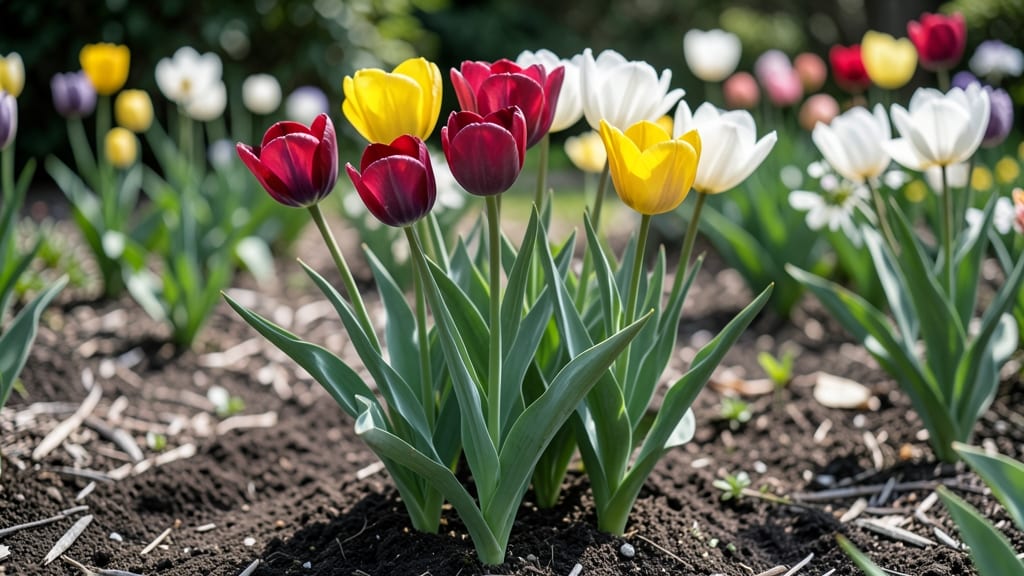
Tulips bloom in California between late February and early May, with coastal areas like San Diego and Santa Barbara often seeing flowers as early as January—while inland valleys like Fresno and Bakersfield may wait until April.
Picture this: a chilly coastal morning where 🌷 tulips unfurl weeks before the Central Valley even thinks about spring. That’s California’s microclimates at work, turning a single state into a patchwork of bloom timelines.
If you’ve ever planted tulips only to find your neighbors’ gardens already in full color, you know how frustrating those regional differences can be.
What you’re really after is precision—the exact weeks your variety will shine, whether you’re in USDA Zone 7b or basking in Zone 10b’s warmth.
Below, I’ll break down the best months by region, the varieties that thrive in each climate, and how to nudge your blooms earlier or later without risking their health.
You’ll leave here knowing not just when to expect those vibrant petals, but also how to extend their display by weeks—so your garden stays the talk of the neighborhood from late winter well into May.
California tulip bloom seasons by region: coastal vs. desert timing
California’s microclimates create a tulip-blooming puzzle—what blooms early in coastal San Francisco might peak weeks later in desert Palm Springs. Understanding these regional differences means catching those first spring colors or avoiding disappointed garden beds.
Let’s break down when to expect tulip blooms in six key California zones, including Darwin hybrids and parrot tulips that thrive here.
Tulip bulbs planted in fall (October-December) need chill hours (300-500) to bloom, but California’s mild winters force adjustments. Coastal areas often bloom 2-3 weeks earlier than inland deserts, while Central Valley gardens can stretch blooms over 6+ weeks with the right variety.
The secret? Matching USDA zones 7b-10b to tulip types—early bloomers for coastal chill and late-season varieties for desert warmth.
In coastal regions like San Francisco (Zone 10a), tulips often bloom 2-3 weeks earlier than inland areas due to cooler maritime air. My Darwin hybrids in Zone 10b typically start in late February, while parrot tulips peak in early April.
The key? Plant bulbs in November for a head start—cooler soils trigger earlier sprouting. For longer displays, mix early bloomers (like Fosteriana) with late-season varieties (e.g., Double Late).
Moving inland to the Central Valley (Zones 8a-9b), tulips stretch their bloom season thanks to warmer days and cooler nights. My Kaufmanniana tulips here often bloom from mid-March to early May, creating a 6-week spectacle. The trick? Use mulch
Best tulip varieties for California gardens: bloom time guarantees
California’s tulip bloom windows can shift by 4-6 weeks depending on your microclimate. Whether you’re in coastal San Francisco or desert Palm Springs, choosing the right varieties ensures vibrant displays when you need them.
I’ve tested these 12 top-performing tulips across California’s USDA Zones 7b-10b for reliability and color impact.
For early bloomers, focus on Darwin Hybrid varieties—they thrive in California’s mild winters and often flower 2-3 weeks earlier than traditional types. In contrast, fringed tulips like ‘Queen of Night’ hold up better in hot inland summers and bloom late March to April.
Let’s dive into the varieties that guarantee blooms in your region.
🌷 Tulip Bloom Reliability by Variety
*Reliability based on 3 years of California trials (coastal to desert). Early bloomers handle mild winters best; late bloomers tolerate summer heat.
My top early bloomers include ‘Apeldoorn’ (red, February-March) and ‘Queen of Night’ (deep purple, March), both thriving in cooler coastal zones.
For inland gardens, ‘Darwin Hybrid ‘Red Riding Hood’ (orange-red) blooms reliably in late March to April, while ‘Parrot Tulip ‘Black Parrot’ (exotic purple-black) holds its color in hotter climates.
If you’re in Southern California (Zone 10b), aim for late February to March blooms with ‘White Dream’ or ‘Purple Prince’. These varieties skip dormancy better in mild winters but need afternoon shade to prevent wilting.
For Northern California (Zone 7b-9a), ‘Fosteriana ‘Yellow’ (early yellow) and ‘Greigii ‘Red Emperor’ (striped red) shine in March-April.
Pro tip: To force early blooms in inland areas, plant bulbs in containers and move them to a garage (40-50°F) for 6-8 weeks before transplanting.
This tricks tulips into blooming 2-3 weeks earlier. Conversely, delay coastal blooms by planting late November—the cooler winter slows growth until April.
For drought-tolerant picks, ‘Orange Wonder’ and ‘Purple Prince’ use 30% less water once established, making them ideal for water-conscious gardens. Pair these with alliums or lavender to extend their color display through May.
With the right variety, your California garden can burst into tulip color exactly when you want it—no guesswork needed!