
Blooming
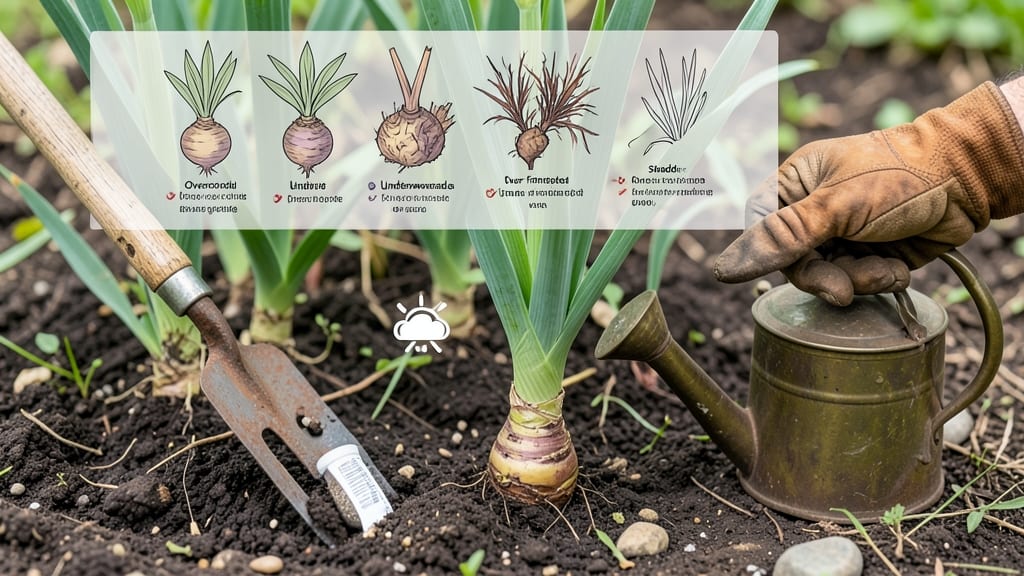
Why didn’t my iris bloom this year?—don’t panic. 🌿 After years of watching mine stubbornly refuse to bloom, I’ve cracked the code on what truly triggers those second flushes (or the lack of them). The answer isn’t always what you think: it’s often a mix of sunlight sneaking past your awareness, rhizomes playing hide-and-seek in the soil, or last year’s fertilizer choices still haunting your garden.
Here’s the hard truth: irises need full sun—not just six hours, but six hours of unfiltered sunlight. My first year of blooms came when I moved them from dappled shade to a spot where they baked in the morning sun.
Overcrowding’s another silent bloom-killer: when rhizomes get too cozy, they focus on multiplying instead of flowering. And if you fertilized with high nitrogen last spring? That’s a one-way ticket to leafy monsters with zero blooms.
This year’s fix starts now: divide congested clumps, side-dress with low-nitrogen fertilizer, and prune spent stalks to 6 inches. By next spring, you’ll see those classic sword-shaped leaves followed by bold purple (or yellow, or white) blooms—just like your neighbors’. The secret’s in the details, not the drama.
Pro tip: Irises hate being disturbed after mid-summer—so wait until late August to divide, or you’ll trigger next year’s blooms to sleep in. And if your soil’s heavy clay? Amend it with gritty sand to keep those rhizomes breathing. Small changes, big payoff.
The Hidden Reasons Your Iris Skipped Blooms
If your iris plants are looking lush but flower-free this season, don’t panic—there are often clear (and fixable!) reasons behind the lack of blooms. Irises thrive on routine, but even small shifts in their environment can trigger a no-show for their signature flowers.
Let’s break down the most common culprits, backed by science, so you can troubleshoot with confidence.
Irises are sun-worshippers, and less than 6 hours of direct sunlight daily can stunt or delay blooming. While they tolerate partial shade, deep shade (especially from tall trees or dense shrubs) signals the plant to focus on leaf growth instead of flowering.
Why it happens: Irises rely on photoperiodism—their internal clock triggers bloom production when daylight hours increase in spring. If your garden is shaded, the plant may not get the light cue it needs.
Actionable fix:
- 🔍 Audit your iris’s sunlight: Use a light meter or observe shadows—irises need full sun (6+ hours) for optimal blooms.
- 🌿 Prune nearby competitors: Trim back overgrown shrubs or trees casting shade, especially in early spring when irises start budding.
- 📅 Move or divide clumps: If relocating isn’t an option, divide congested rhizomes (every 3–4 years) to improve air circulation and light penetration.
Irises are hardy but sensitive to late frosts or sudden heat spikes during their bloom window (typically spring). A hard freeze (<20°F/-7°C) can kill buds, while unseasonably warm spells in winter can trick the plant into blooming too early—only for a late frost to nip them in the bud.
Why it happens: Irises require a period of vernalization (cold exposure) to break dormancy and initiate flowering. If winter temperatures are too mild, the plant may not “wake up” properly in spring. Conversely, late-spring frosts can damage emerging buds, while heatwaves above 90°F (32°C) can cause buds to abort.
Actionable fix:
- 🌡️ Monitor frost dates: Check your local frost-free date and protect buds with frost cloth if late frosts are forecasted.
- 🌿 Choose cold-hardy varieties: Siberian irises (e.g., Iris sibirica) and Iris ensata tolerate colder climates better than tropical types like Iris xiphium.
- 💧 Water deeply in drought: Heat stress reduces blooming—keep soil moist (but not soggy) during bud formation.
Irises are drought-tolerant but hate soggy roots. Too much water stresses the rhizomes, while too little can cause buds to shrivel. The sweet spot? Consistent moisture without waterlogging.
Why it happens:
- Overwatering: Poor drainage or heavy clay soil leads to rhizome rot (Erwinia or Phytophthora bacteria), which diverts energy away from blooming.
- Underwatering: Drought stress triggers the plant to conserve water, often at the expense of flower production.
Actionable fix:
- 🚰 Check drainage: Plant irises in slightly raised beds or amend heavy soil with sand or grit to improve airflow.
- 💦 Water deeply but infrequently: Aim for 1–1.5 inches of water per week (including rain), focusing on the rhizome’s base (not the leaves).
- ⏳ Avoid wetting foliage: Fungal diseases (like leaf blight) thrive in damp leaves—water at the soil line.
Irises are light feeders, and too much fertilizer—especially high-nitrogen—can lead to leafy growth at the expense of flowers. Conversely, poor soil quality (low phosphorus or potassium) can starve buds of the energy they need.
Why it happens:
- Excess nitrogen (N): Promotes lush foliage but delays or prevents blooming by prioritizing leaf growth.
- Low phosphorus (P): Critical for energy transfer to flowers; deficiency leads to weak, sparse blooms.
- Compacted or depleted soil: Over time, soil loses nutrients, and irises may not get the phosphorus and potassium needed for bud formation.
Actionable fix:
- 📊 Test your soil: Use a home test kit or send a sample to a lab. Irises thrive in slightly alkaline soil (pH 6.0–7.0).
- 💥 Fertilize correctly: Use a balanced, low-nitrogen fertilizer (e.g., 5-10-10) in early spring (not fall). Avoid organic matter like compost near the rhizome—it can cause rot.
- 🌱 Top-dress with bone meal: A 1–2 tbsp sprinkle of bone meal (high in phosphorus) around the rhizome in late winter can boost next year’s blooms.
Irises are perennials with a lifespan. After 3–5 years, rhizomes become congested, and older plants may skip blooming to redirect energy into producing new offsets (baby rhizomes).
Why it happens:
- Overcrowding: Rhizomes compete for nutrients, and the center clump often dies out, leaving only sterile leaves.
- Aged rhizomes: Older plants (beyond 5–7 years) may bloom less vigorously or not at all.
Actionable fix:
- 🔪 Divide and conquer: Dig up rhizomes in late summer (after blooming), separate the firm, plump offsets (discard soft or mushy ones), and replant.
- 📏 Space properly: Plant rhizomes 1/3 above soil and 12–24 inches apart for airflow and growth.
- 🌱 Rejuvenate old clumps: If dividing isn’t an option, trim back foliage after blooming
Revive Your Iris Blooms Now
If your irises are playing hard to bloom, don’t despair—there’s still time to turn things around! The key is identifying the root cause and taking action now before next season.
Below, we’ve mapped out practical fixes for each common trigger, along with prevention tips to ensure a stunning second flush (or even a third!). Let’s get your irises back on track.
Fix: Irises need elbow room to thrive. When rhizomes (those thick, fleshy roots) get too crowded, they compete for nutrients and energy, leaving little for blooms.
- 🔪 Dig Up & Divide
- Wait until after blooming (or early fall) to avoid shocking the plant.
- Gently dig up clumps, using a fork or trowel to loosen the soil.
- Separate rhizomes with at least 3–4 healthy leaves per section. Discard any mushy or rotting pieces.
- 🌿 Replant Properly
- Plant divided rhizomes shallowly—only 1/3 of the rhizome should be buried.
- Space them 12–24 inches apart (depending on variety) in well-draining soil.
- Water lightly after planting to settle the soil.
💡 Pro Tip: If you’re short on space, try container growing—just use a deep pot with drainage holes and a chunky, well-draining mix.
Prevent Future Crowding:
- Divide clumps every 3–4 years to keep them vigorous.
- Avoid over-fertilizing with nitrogen, which encourages leafy growth over blooms.
Fix: Irises crave full sun (6+ hours daily). Even partial shade can weaken blooms.
- 🌞 Relocate Your Irises
- Choose a south- or west-facing spot with minimal obstructions.
- If moving, do it after blooming to reduce stress.
- 🌿 Prune Overgrown Foliage
- Trim yellowed or damaged leaves to redirect energy to rhizomes.
- Avoid cutting back healthy leaves until after they’ve turned brown (they feed the rhizome for next year).
💡 Pro Tip: If shade is unavoidable (e.g., under trees), opt for dwarf iris varieties like Iris reticulata, which tolerate lighter conditions.
Prevent Shade Issues:
- Plant irises away from tall shrubs or trees that cast dense shade.
- Use reflective mulch (like white gravel) to bounce extra light onto the bed.
Fix: Irises are drought-tolerant but hate soggy feet. Too much or too little water can stunt blooms.
- 🌧️ Check Your Watering Habits
- Underwatering? Irises need 1 inch of water per week (including rain). Water deeply once a week rather than daily shallow doses.
- Overwatering? Ensure soil drains quickly. Amend heavy clay soil with sand or grit.
- 🔥 Fix Drainage Issues
- If your garden holds water after rain, raise beds or add a gravel layer beneath planting holes.
- Avoid planting in low spots where water pools.
💡 Pro Tip: Drip irrigation is ideal—it delivers water directly to the roots without wetting the foliage (which can cause rot).
Prevent Water-Related Problems:
- Mulch lightly (1–2 inches) with gravel or bark to improve drainage.
- Water early in the morning to reduce fungal risks.
Fix: Fungal diseases like iris borer, leaf spot, or rhizome rot can sabotage blooms. Act fast!
- 🧹 Remove Infested Debris
- Burn or trash any yellowed, spotted, or wilted leaves (don’t compost them!).
- Dig up and inspect rhizomes for soft, mushy spots or tunnels (signs of borers).
- 💊 Treat with Fungicides (If Needed)
- Spray copper fungicide (like Bordeaux mix) preventively in early spring or after rain.
- For borers, handpick larvae or apply neem oil as a natural deterrent.
💡 Pro Tip: Rotate planting spots every few years to break disease cycles.
Prevent Fungal Issues:
- Space plants properly for airflow.
- Water at the base (avoid overhead sprinkling).
- Choose disease-resistant varieties like Iris germanica or Iris sibirica.
Fix: Irises need balanced nutrients, but too much nitrogen = lush leaves, no blooms.
- 📊 Test Your Soil
- Use a DIY soil test kit (available at garden centers) to check pH (6.0–7.0 is ideal).
- Amend soil with compost or bone meal if it’s too poor.
- 🍽️ Fertilize Correctly
- Spring: Apply a low-nitrogen, high-phosphorus fertilizer (like 5-10-10) to encourage blooms.
- Fall: Add potassium-rich fertilizer (like 0-0-50) to strengthen rhizomes for next year.
- Avoid: High-nitrogen fertilizers (like lawn food)—they promote leaves over flowers.
💡 Pro Tip: Fish emulsion or kelp meal are great organic options for a bloom boost.
Prevent Nutrient Issues:
- Mulch with compost in early spring for slow-release nutrients.
- Rotate fertilizer types to avoid buildup.
Fix: Irises often bloom in early to mid-spring, but a second flush needs the right trigger.
- 🌸 Prune Strategically
- After the first bloom wave, cut back spent flower stalks (but leave the leaves).
- This redirects energy to new flower buds forming below.
- 🌿 Feed & Water for a Second Push
- Apply a bloom-boosting fertilizer (like Epsom salt for magnesium) 6 weeks after first blooms.
- Keep soil moist but not soggy—irises need consistent moisture for reblooming.
💡 Pro Tip: Deadhead early blooms (remove faded flowers) to encourage more buds to form.
Prevent Missed Second Flushes:
- Choose reblooming varieties like Iris ‘Professor Blume’ or Iris ‘Cadence’.
- Plant in full sun—partial shade reduces second-flush potential.
To ensure big, bold blooms in 2025: ✅ Divide crowded clumps every 3–4 years. ✅ Plant in full sun (6+ hours daily). ✅ Water deeply but infrequently (1 inch/week). ✅ Fertilize with bloom-focused formulas (low N, high P). ✅ Prune only after blooming (never cut back leaves prematurely). ✅ Monitor for pests/disease and act fast.
With these fixes, your irises should bounce back stronger—and maybe even surprise you with a third flush! 🌸✨
Frequently asked questions
1My irises have lots of leaves but no flowers—what could be wrong?
This is often caused by too much nitrogen fertilizer, which encourages leafy growth at the expense of blooms. Irises need a balanced fertilizer with low nitrogen and higher phosphorus (like 5-10-10) to promote flowering. Also check if your plants are overcrowded—rhizomes older than 3-4 years may need dividing.
2Can I still get blooms if I planted my irises in partial shade?
While irises tolerate some shade, they truly thrive with 6+ hours of direct sunlight daily. If your plants are in partial shade, they may produce fewer or smaller blooms. Try moving them to a sunnier location after their current growing season (late summer/early fall) for best results next year.
3When is the best time to divide my iris clumps to encourage blooming?
The ideal time is late summer (after blooming) or early fall. Dividing congested clumps every 3-4 years improves airflow and light penetration, which directly boosts flower production. Just make sure to replant with 1/3 of each rhizome above soil level for optimal growth.
4Why did my irises bloom early this year but then stop?
This often happens when irises experience unseasonably warm winter temperatures that trick them into blooming too early. Late spring frosts or extreme heat can also cause buds to abort. For next year, try protecting emerging buds with frost cloth if late frosts are forecasted in your area.
5How can I tell if my iris rhizomes are healthy enough to bloom?
Healthy rhizomes should be firm, plump, and free of soft spots or tunnels. Each section should have at least 3-4 healthy leaves. If your rhizomes look shriveled or mushy, they may be rotting from overwatering or disease. Discard any damaged sections and replant only the healthiest pieces.
- 🔪 Dig Up & Divide