
Blooming
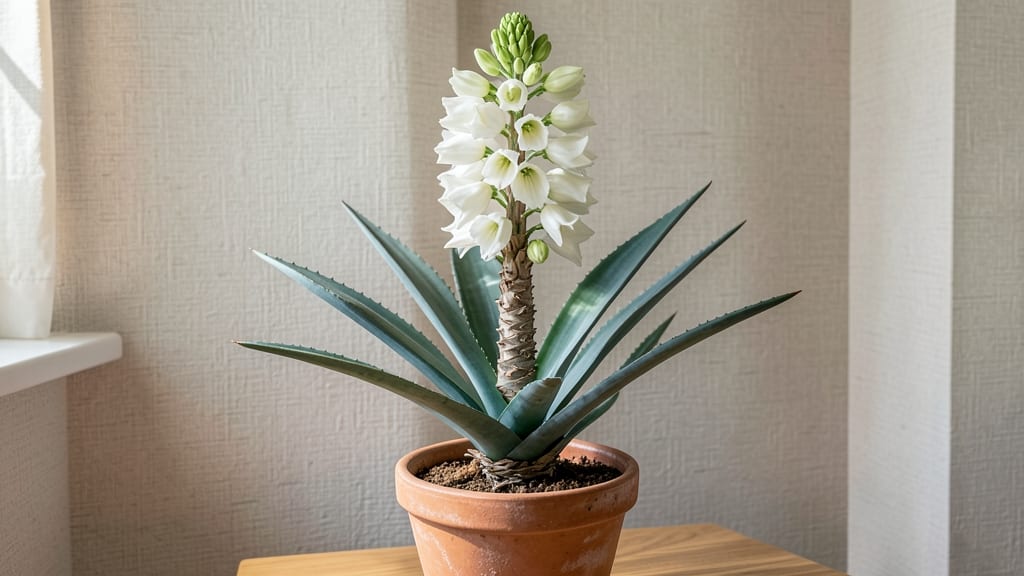
The yucca plant bloom stalk is nature’s way of turning your drought-tolerant shrub into a dramatic purple showstopper. 🌿 I’ve watched mine emerge like clockwork—tall, sturdy, and impossible to ignore—after years of patient care.
What makes it special isn’t just the striking color, but how reliably it returns, even in cold snaps where other plants falter.
This stalk forms from the plant’s center, shooting up 3-6 feet tall in a single season, topped with clusters of bell-shaped blooms that hum with pollinators. The key to encouraging it? Less is more—yuccas thrive on neglect.
Overwatering or rich soil sends energy to leaves, not flowers. Instead, give it full sun, well-draining soil, and occasional deep watering (once every 2-3 weeks in summer).
Once the stalk appears, resist the urge to prune it—it’s not harmful and supports next year’s blooms. If it looks ragged after flowering, trim it at the base in late winter.
The result? A repeat performance of those cold-resistant purple spikes that turn heads from spring through summer. Even my black thumb can’t kill this one.
Works in zones 4-11, from desert landscapes to city patios. Here’s how to coax the best blooms from your yucca—no green thumb required.
📚 In This Guide
- What you need
- Instructions
- Tips and common mistakes
- Wrapping up and next steps
What you need
- ● Yucca plant (preferably mature, Yucca filamentosa or Yucca whipplei for best blooming results)
- ● Well-draining soil mix (50% potting soil, 30% perlite, 20% coarse sand or gravel)
- ● Sunlight access (full sun, 6+ hours daily—south or west-facing spot ideal)
- ● Watering can with a narrow spout (for precise hydration)
- ● Balanced fertilizer (10-10-10 or 20-20-20, diluted to half-strength)
- ● Pruning shears or sharp knife (sterilized with rubbing alcohol)
- ○ Gloves (optional but recommended for handling sharp yucca leaves)
- ● Thermometer (to monitor winter temps if in a cold climate)
- ● Mulch (gravel or bark) (for insulation in winter)
- ● Grow lights (if indoor lighting is insufficient)
- ● Epsom salt (1 tbsp/month for magnesium boost)
- ● Stakes or supports (for tall bloom stalks in windy areas)
- ● Camera or sketchbook (to document the blooming process!)
How to encourage your yucca plant to produce stunning purple bloom stalks year after year
Yucca plants reward patience with dramatic purple spikes that return reliably—here's how to trigger and care for them.
🌱 Step 1: Identify Mature Plants Ready to Bloom
Only yuccas that are at least 3-5 years old and 3-4 feet tall will produce bloom stalks. Look for plants with thick, established trunks and healthy, arching leaves—these are your best candidates. I check for new growth in early spring, when leaves unfurl with a waxy sheen and the plant looks vigorous.
If your yucca is smaller than 2 feet tall, it's not mature enough yet. Forcing bloom too early stresses the plant. Instead, focus on giving it full sun, well-draining soil, and consistent water until it reaches the right size. You'll know it's ready when the center leaves form a tight rosette—this is where the bloom stalk will emerge.
☀️ Step 2: Provide the Right Conditions for Bloom Triggering
Yuccas bloom in response to temperature shifts and stress signals. Start by ensuring your plant gets 6-8 hours of direct sun daily—partial shade delays blooming. In late winter, when nights drop below 50°F, move potted yuccas to a cool but frost-free location (like a garage or shed) for 4-6 weeks. This mimics the natural dormancy period that triggers flower production.
Don't overwater during this time. Let the soil dry out completely between waterings—yuccas in dormancy store moisture in their leaves. You'll see the leaves pucker slightly at the edges, which is normal. Once you notice new growth at the base in early spring, return the plant to its sunny spot. This temperature shock is what kickstarts the bloom stalk.
💧 Step 3: Water and Fertilize for Strong Bloom Stalks
Once the bloom stalk emerges—usually in late spring or early summer—increase watering slightly but keep the soil well-draining. Stick your finger 2 inches into the soil; if it's dry, water deeply until moisture reaches 6 inches down. Overwatering now causes rot, but underwatering makes stalks weak and prone to snapping in wind.
Apply a balanced, low-nitrogen fertilizer (like 10-10-10) every 4-6 weeks during the growing season. Too much nitrogen promotes leafy growth at the expense of flowers. I use half the recommended dose—yuccas are drought-tolerant and don't need heavy feeding. Stop fertilizing once the bloom stalk appears, as the plant redirects energy to flowering.
✂️ Step 4: Protect and Maintain the Bloom Stalk
Yucca bloom stalks can grow 3-6 feet tall and are top-heavy. Stake tall stalks with bamboo supports or tie them to nearby plants to prevent snapping. Avoid pruning the stalk unless it's damaged—even dead stalks can remain for months, providing winter interest. If you cut it back, do so after it browns completely in late fall.
Watch for yucca moths (native pollinators) visiting the flowers. If you're in a region without them, hand-pollinate with a small brush to ensure seed set. Deadhead spent blooms only if they look unsightly—leaving them on encourages next year's stalks. Mulch around the base with 2-3 inches of gravel or bark to protect roots from winter moisture while allowing airflow.
⏰ Step 5: Prepare for Next Year's Blooms
After the stalk dies back, do not prune the leaves—they photosynthesize for next year's growth. In early spring, remove any yellowed or damaged leaves at the base with sterile pruners, cutting just above a healthy leaf node. This prevents disease and encourages new shoots from forming at the base.
Yuccas often produce multiple stalks over time, especially if they're well-cared-for. If your plant splits into clumps, divide it in early spring by separating the offsets with a sharp knife. Each division needs at least 3-4 leaves to establish well. Replant divisions in well-draining soil and water lightly until new growth appears—this ensures you'll have more blooming plants in future years.
Tips & Tricks for encouraging yucca bloom stalks
Here's what nobody tells you about getting those showstopping purple spikes back every year.
Age Matters: The 3-5 year age requirement isn't just arbitrary—it's when yuccas develop enough energy reserves to support bloom stalks. I've seen impatient gardeners force blooms on younger plants, only to watch them struggle and produce weak, spindly stalks that snap in the first wind. Wait for that thick trunk and tight rosette—those are your visual cues the plant's ready.
Temperature Tricks: That 4-6 week cool period at 50°F or below is non-negotiable for triggering blooms. I've had success using a garage with open windows to maintain consistent temps. Pro tip: Move potted yuccas to this cooler spot in late winter when nighttime temps naturally drop—this mimics their native desert winter conditions perfectly.
Watering Wisdom: The soil-drying rule during dormancy is crucial, but don't let the leaves completely wilt. They should just pucker slightly at the edges—this tells you the plant is storing moisture in its leaves as nature intended. Once you see new growth at the base in spring, that's your signal to return to regular watering.
Stalk Support Strategy: Those 3-6 foot stalks are surprisingly top-heavy. I've lost count of how many I've seen snap in summer storms. Use bamboo stakes or tie them to nearby plants with soft twine—just make sure the supports are sturdy enough to handle wind. You'll thank yourself when you're admiring your stalks still standing after a summer storm.
Pro Tips for Yucca Plant Bloom Stalk
- Here's what nobody tells you about getting those showstopping purple spikes back every year.
- Age Matters: The 3-5 year age requirement isn't just arbitrary—it's when yuccas develop enough energy reserves to support bloom stalks.
- Temperature Tricks: That 4-6 week cool period at 50°F or below is non-negotiable for triggering blooms.
Frequently asked questions
Got questions about your yucca plant’s dramatic bloom stalk? You’re not alone! Here are answers to the most common queries—from timing to troubleshooting—to help you enjoy those stunning purple spikes year after year.
How long does it take for a yucca plant to produce a bloom stalk?
A mature yucca plant (typically 3–5 years old) usually sends up its first bloom stalk in late winter or early spring, often after a cold snap. Once established, healthy plants may bloom annually, with stalks reaching 6–10 feet tall in just a few weeks! Patience pays off—juvenile plants may take longer.
Will my yucca bloom stalk survive a late frost?
New bloom stalks are frost-sensitive! If temperatures dip below 28°F (-2°C), the stalk may blacken or die back. However, the root system is hardy (USDA zones 4–11), so don’t panic—your plant will likely regrow next year. Protect emerging stalks with frost cloth if frost is forecasted.
Why did my yucca bloom stalk die before flowering?
This is often due to nutrient stress, overwatering, or transplant shock. Yuccas need well-draining soil and full sun to thrive. If the stalk wilted or turned mushy, check for root rot or pests (like spider mites). Fertilize lightly in early spring to encourage next year’s growth.
Can I cut back the bloom stalk after it dies?
Yes! Once the stalk turns brown and crispy (usually 6–8 weeks after blooming), trim it 1–2 inches above the base with clean pruners. This redirects energy to the roots and encourages next year’s stalk. Avoid cutting green stalks—they’re still photosynthesizing!
What if my yucca never blooms?
Don’t worry—some yuccas take 5+ years to bloom, especially in containers. Boost chances by:
- Planting in full sun (6+ hours daily).
- Avoiding excessive fertilizer (too much nitrogen = fewer blooms!).
- Ensuring well-draining soil (yuccas hate soggy roots).
Wrapping up and next steps
Watching your yucca plant bloom stalk rise each year is a rewarding experience—especially when you know it thrives in cold climates and rewards you with stunning purple spikes! 🌿 These hardy plants are perfect for adding drama to your garden with minimal fuss.
Now that you’re equipped with the right care tips and answers to common questions, why not share the joy?
Encourage a friend to grow one, or experiment with different varieties to see which blooms brightest in your space. The next step? Plant, observe, and enjoy the show! Happy gardening! 🌸