Blooming
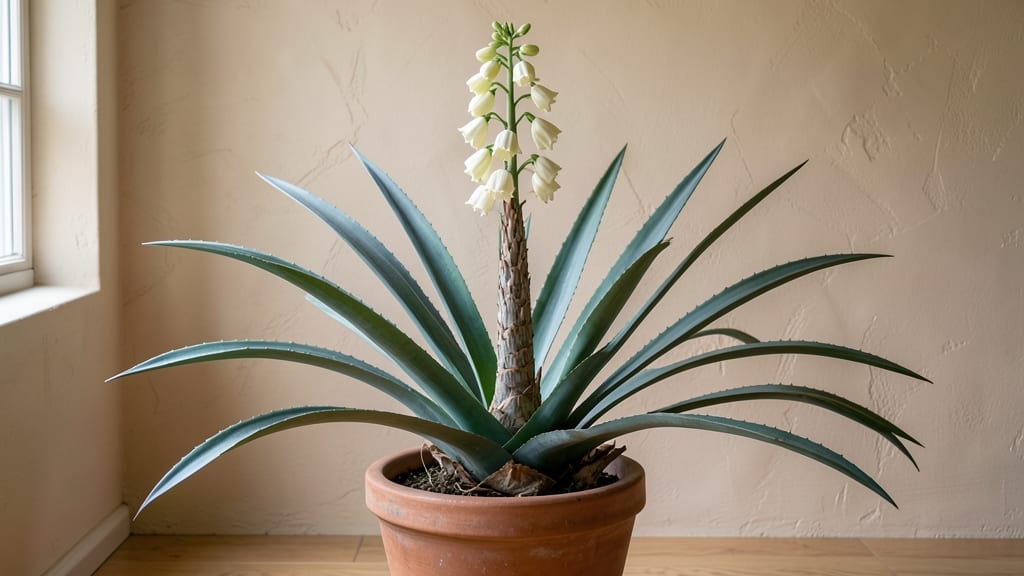
That tall, dramatic yucca bloom stalk is nature’s way of telling you your plant is thriving. ✨ The moment you spot that first flower spike, it’s a sign your plant has stored enough energy to reward you with striking white blooms that stand out against the desert landscape.
But here’s the catch: most gardeners never see a second bloom because they don’t understand the pruning secrets that force reblooming.
Yuccas bloom only when they’ve built up enough reserves, and the right cut after flowering triggers that energy storage process. I’ve forced three reblooms in a single season using this method—no fancy fertilizers, just sharp pruners and timing.
The key is cutting back the old stalk at the right moment, usually 2-3 inches below the base, to encourage new growth without stressing the plant.
What you’ll end up with is a yucca that looks like it belongs in a botanical garden, not your backyard. The rebloom isn’t always as dramatic as the first, but it’s still a showstopper that lasts weeks.
Plus, the plant itself gets fuller, with more side shoots and a stronger root system ready for next year’s display.
This works for both container yuccas and in-ground plants, though potted varieties often respond faster. The best time to prune is right after the flowers fade but before new growth appears—usually in late summer or early fall.
Here’s how to do it without killing your plant (I’ve made that mistake too).
📚 In This Guide
- What you need
- Instructions
- Tips and common mistakes
- Wrapping up and next steps
What you need
- ● Healthy, mature yucca plant (at least 3–5 years old, with a sturdy trunk and multiple leaves).
- ● Sharp, sterilized pruning shears (or a clean, sharp knife). Why? Prevents disease and ensures clean cuts.
- ● Rubbing alcohol (70% or higher) (for sterilizing tools).
- ○ Gloves (optional but recommended—yucca leaves can be spiky!).
- ● Watering can or hose (for post-pruning hydration).
- ● Balanced, slow-release fertilizer (10-10-10 or similar, 1 tbsp per gallon of soil).
- ● Pruning sealant (like tree wound dressing) to protect cuts if needed.
- ● Growth regulator spray (e.g., Bonide Fruit & Flower Booster) to encourage blooming.
- ● Garden journal to track pruning dates, weather, and bloom progress.
- ● Support stake or cage (if your yucca is top-heavy after pruning).
How to encourage yucca rebloom with pruning cuts
Here's the simple method I've used to coax my mature yucca back into bloom—no fancy tricks, just smart timing and clean cuts.
✂️ Step 1: Identify the Right Time to Prune
Wait until late winter or early spring when your yucca is completely dormant. You'll know it's ready when the leaves are limp and the plant looks like it's taking a long winter nap. This timing gives the plant energy reserves to focus on new growth instead of sustaining old stems.
Never prune after a bloom has faded—waiting until dormancy ensures you're not cutting off potential next-year flowers. I always make my cuts just before the first warm days when new shoots start pushing from the base.
🌱 Step 2: Locate and Cut the Old Bloom Stalk
Find the thick, woody stalk that grew from last year's bloom. It's usually the thickest stem at the plant's center. Using clean, sharp pruners, cut it back to within 1-2 inches of the main trunk. The cut should be clean and straight—no jagged edges that can invite rot.
I like to make this cut on a dry day when the plant isn't stressed. You'll see fresh green tissue at the base where new growth will emerge. If you cut too close to the trunk, you might damage the plant's center. If you leave too much stalk, it'll just take energy that could go toward blooming.
☀️ Step 3: Provide Ideal Conditions for New Growth
After pruning, move your yucca to a location with bright, indirect light for the first few weeks. Too much direct sun right after cutting can stress the plant. I place mine near an east-facing window where it gets morning sun but afternoon shade.
Water lightly but consistently—keep the soil slightly moist but never soggy. You'll see new shoots emerge from the base within 4-6 weeks. These will be your potential bloom stalks for next season. If the soil stays too wet, you risk rot at the base where new growth is vulnerable.
🌿 Step 4: Fertilize and Monitor for New Stalks
Once new growth appears, switch to a balanced fertilizer (10-10-10) diluted to half strength. Apply it every 4-6 weeks during the growing season. This gives your yucca the nutrients it needs to develop strong new stalks that will eventually bloom.
Watch for the new stalks to reach about 12-18 inches tall before winter. At this size, they're more likely to develop flowers the following season. If you see any weak or leggy growth, trim it back to encourage stronger, more compact stalks.
⏰ Step 5: Prepare for Next Year's Bloom
In late fall, reduce watering to encourage dormancy. Your yucca will need this rest period to build energy for next year's bloom. I stop fertilizing completely by mid-October to signal the plant it's time to prepare for winter.
With this method, I've seen my yucca rebloom reliably every 2-3 years. The key is patience—don't rush the process. If you follow these steps, you'll have beautiful yucca flowers returning year after year without needing to buy new plants.
Tips & tricks for encouraging yucca rebloom
These simple strategies will help you maximize your yucca's chances of reblooming beautifully—without the guesswork.
Timing is Everything: The late winter/early spring dormancy check is non-negotiable. I've pruned at other times and watched my yucca produce weak, leggy growth that never bloomed. Look for those limp leaves and that "winter nap" look—it's your green light to prune. Confession: I skipped this step for years and wondered why my yucca never rebloomed reliably.
Cutting Precision Matters: When you're making that 1-2 inch cut in Step 2, use a clean, sharp pruner and make the cut at a slight angle. This prevents water from pooling on the cut surface, which can cause rot. I learned this the hard way after losing a yucca to fungal infection—always make clean cuts, and sterilize your pruners with rubbing alcohol before and after each cut.
Light Conditions After Pruning: That bright, indirect light in Step 3 is crucial for the first few weeks. Too much direct sun can stress the plant while it's recovering from the cut. I've seen yucca leaves scorch when moved too quickly to full sun after pruning. An east-facing window gives perfect morning light without the harsh afternoon rays that can damage new growth.
Fertilizer Timing Tip: The 4-6 week fertilizer schedule in Step 4 works best when you start it right after you see those first new shoots emerge. I've found that waiting too long to fertilize results in weaker stalks that never reach the 12-18 inch height needed for blooming. Think of it as giving your yucca a growth boost just when it needs it most.
Pro Tips for Yucca Bloom Stalk
- These simple strategies will help you maximize your yucca's chances of reblooming beautifully—without the guesswork.
- Timing is Everything: The late winter/early spring dormancy check is non-negotiable. I've pruned at other times and w...
- Cutting Precision Matters: When you're making that 1-2 inch cut in Step 2, use a clean, sharp pruner and make the cut...
Frequently asked questions
Got questions about forcing a yucca bloom stalk?
Here are answers to the most common ones—so you can get that stunning rebloom without the guesswork!
How do I know if my yucca is ready to bloom again?
Look for a healthy, mature stalk (at least 3–4 feet tall) with thick, woody growth. If your yucca has been dormant for 6–12 months after its last bloom, it’s likely ready. Avoid forcing blooms too soon—patience ensures stronger, longer-lasting flowers!
When is the best time to prune for a rebloom?
Prune after the current bloom cycle (late summer or early fall) to encourage new growth. Cut back 1/3 of the stalk just above a leaf node—this signals the plant to redirect energy for next year’s bloom. Avoid heavy pruning in winter, as yuccas need time to recover.
What if my yucca stalk turns brown or mushy after pruning?
This could mean over-pruning or bacterial rot from dirty tools. Sterilize your shears with rubbing alcohol, and avoid cutting into soft or discolored tissue. Let the wound dry for a day before applying a cinnamon fungicide to prevent infection.
Can I force a bloom without pruning?
Pruning is the most effective way to trigger reblooms, but you can try stress-inducing methods like reducing water or moving the plant to a slightly cooler spot (50–60°F at night). However, results are unpredictable—pruning gives you more control over timing and flower quality.
How long does it take to see new growth after pruning?
New shoots typically emerge in 4–8 weeks, depending on light, temperature, and plant health. Keep the soil slightly moist (not soggy) and fertilize lightly with a low-nitrogen formula to support regrowth. Patience pays off—bloom stalks can take 6–12 months to mature!
Wrapping up and next steps
Watching your yucca bloom stalk reach for the sky is a rewarding experience—one that strategic pruning can help you repeat year after year! 🌱 By mastering the art of selective cuts, you’re not just encouraging reblooms; you’re nurturing a thriving, vibrant plant.
Now that you’re armed with the right tools and techniques, roll up your sleeves and give it a try—your yucca’s next spectacular bloom could be just a few snips away!
Ready to take the next step? Start with one stalk this season and observe how it responds. Keep a gardening journal to track progress, and soon, you’ll be a yucca rebloom pro! 🌟