
Blooming
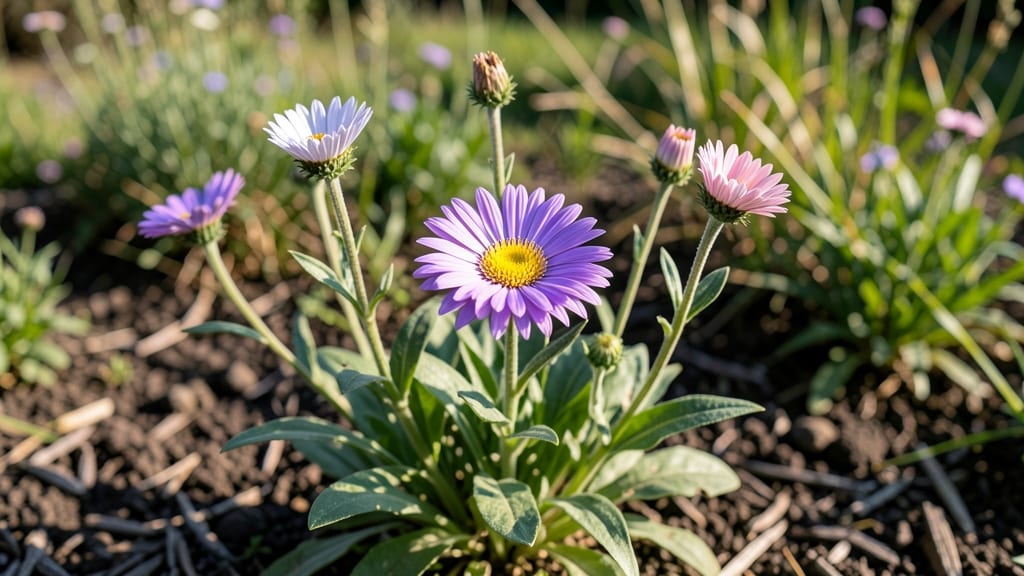
The African Daisy blooms in spring and summer 🌼, but the exact timing depends on your variety, climate zone, and a few simple care tweaks.
If you love vibrant blooms but struggle to predict when your African daisies will burst into color, you're not alone—timing depends on the variety, your climate zone, and even soil conditions.
In warmer zones like 6a, these cheerful flowers can bloom year-round, while cooler areas see peak color from June through October. The key to extending that bloom time? A little strategic pruning and the right light exposure.
Below, I’ll break down the best months for each popular variety, how to adjust care for your specific zone, and 5 pro tips to keep those flowers coming—even in winter.
African daisy bloom time by popular varieties and their seasonal patterns
African daisies (Osteospermum) are prized for their long bloom seasons and vibrant colors, but their timing varies dramatically by variety and climate. In USDA zones 8–11, some varieties burst into color by late winter, while others wait until summer's peak.
Understanding these patterns helps you plan for year-round color with minimal effort.
Each variety has unique reblooming cycles and color shifts that signal when to expect fresh blooms. For example, 'Blue Danube' often starts in early spring and reblooms sporadically, while 'Sunset Orange' thrives in summer heat and may continue until first frost.
Let’s break down the bloom windows for your favorite varieties.
🌼 Key Insight: African daisies in warmer zones (9–11) can bloom year-round with proper care, while those in cooler zones (8) may need winter protection to extend their season.
| Variety | Primary Bloom Season | Reblooming Pattern | Color Shift Cues | USDA Zones 8–11 Notes |
|---|---|---|---|---|
| 'Blue Danube' | Late winter to early spring (Feb–Apr) | Sporadic; peaks in spring | Petals fade from deep blue to lavender | Needs winter mulch in zone 8 |
| 'Pink Velour' | Spring to early summer (Apr–Jun) | Continuous with deadheading | Pink deepens in full sun | Thrives in zone 10+ year-round |
| 'Sunset Orange' | Summer to early fall (Jun–Sep) | Heavy summer reblooms | Orange intensifies in heat | Drought-tolerant; blooms longer in zone 9+ |
| 'Butterfly Blue' | Late spring to summer (May–Aug) | Moderate; fades in heat | Blue centers turn white | Needs afternoon shade in zone 11 |
| 'Lavender Lady' | Early summer to fall (Jun–Oct) | Strong fall rebloom | Lavender darkens with age | Cold-hardy to zone 7 with protection |
Notice how 'Pink Velour' and 'Sunset Orange' dominate summer gardens, while 'Blue Danube' steals the show in early spring. These patterns help you space varieties for continuous blooms. For example, pair 'Blue Danube' with 'Sunset Orange' to bridge spring and summer gaps.
In USDA zone 8, expect shorter bloom seasons unless you extend care. Use row covers in winter to protect 'Lavender Lady', which often reblooms in fall if frost-free. In zones 9–11, varieties like 'Pink Velour' can bloom year-round with regular deadheading and balanced fertilizer.
💡 Pro Tip: Watch for color shifts—like 'Butterfly Blue' centers turning white—as a sign to deadhead spent blooms and stimulate new growth. This trick works for all varieties and extends bloom time by 30–50%.
If your African daisies skip blooming, check for overcrowding or nutrient deficiencies. 'Sunset Orange', for instance, may halt blooming in zone 11 heatwaves unless you provide afternoon shade. Adjusting care based on seasonal cues keeps your garden bursting with color.
For year-round success, rotate varieties by season. Plant 'Blue Danube' in early spring, 'Sunset Orange' in summer, and 'Lavender Lady' in late summer for fall interest. This strategic planting ensures your garden never goes bare.
Remember, light and water are your biggest allies. African daisies need 6+ hours of sun daily, but overwatering can delay blooms. Let the soil dry slightly between waterings to encourage flowering. With these
How climate zone and growing conditions affect African daisy bloom timing
Your African daisy (Osteospermum) thrives in zones 8–11, but cooler climates like zones 7–8 can delay blooms until late spring or summer.
The key to triggering early or extended blooms lies in understanding how light exposure, watering patterns, and pruning techniques interact with your local climate. In hotter zones (9–11), these adjustments help prevent mid-summer dormancy, while in cooler zones, they encourage earlier flowering.
For cooler zones (7–8), African daisies often enter dormancy if nights dip below 50°F. To combat this, I recommend mulching heavily in fall and using row covers during cold snaps.
In hot zones (9–11), the challenge shifts to preventing heat stress, which causes buds to drop. Shade cloth (30–50%) during peak afternoon sun can make all the difference.
Adjusting Care by Climate Zone
- ✅ Pros: Extended spring blooms with proper care
- ✅ Pros: Hardier plants survive winter with protection
- ✅ Pros: Less watering needed in cooler months
- ❌ Cons: Delayed blooms if planted too early
- ❌ Cons: Fungal risks from overwatering in damp springs
- ❌ Cons: Needs winter prep (mulch, covers)
- ✅ Pros: Year-round blooms with ideal conditions
- ✅ Pros: Faster growth and larger flowers
- ✅ Pros: Drought-tolerant once established
- ❌ Cons: Bud drop in extreme heat (>95°F)
- ❌ Cons: More frequent watering needed
- ❌ Cons: Pests thrive in humid climates
In cooler zones (7–8), I start by ensuring full sun exposure (6+ hours) and well-draining soil. Add compost in early spring to boost nutrients, and prune back spent blooms to encourage new growth.
For hot zones (9–11), I focus on morning watering (1–1.5 inches per week) and light fertilizing every 4–6 weeks with a balanced 10-10-10 mix. Both strategies prevent stress-induced dormancy.
Pruning plays a critical role in bloom timing. In cooler zones, I deadhead regularly to redirect energy to new buds, while in hot zones, I prune lightly to improve airflow and reduce heat stress.
Avoid heavy pruning in summer—it can shock the plant and halt flowering. Instead, trim 1/3 of the plant in early spring to promote bushier growth.
Soil temperature matters too! African daisies need soil at 60°F+ to thrive. In cooler zones, I use black plastic mulch to warm the soil faster. In hot zones, shade cloth protects roots from overheating.
Both tricks help sync bloom timing with your local growing season. Monitor your plants closely—adjustments like these can shift blooms by 4–6 weeks!
Finally, watch for dormancy signals: yellowing leaves in cool zones or wilting in heat. These clues tell you when to adjust care. With the right tweaks, your African daisies can bloom year-round, even in challenging climates. Start experimenting this season—your garden will thank you! 🌼