
Blooming
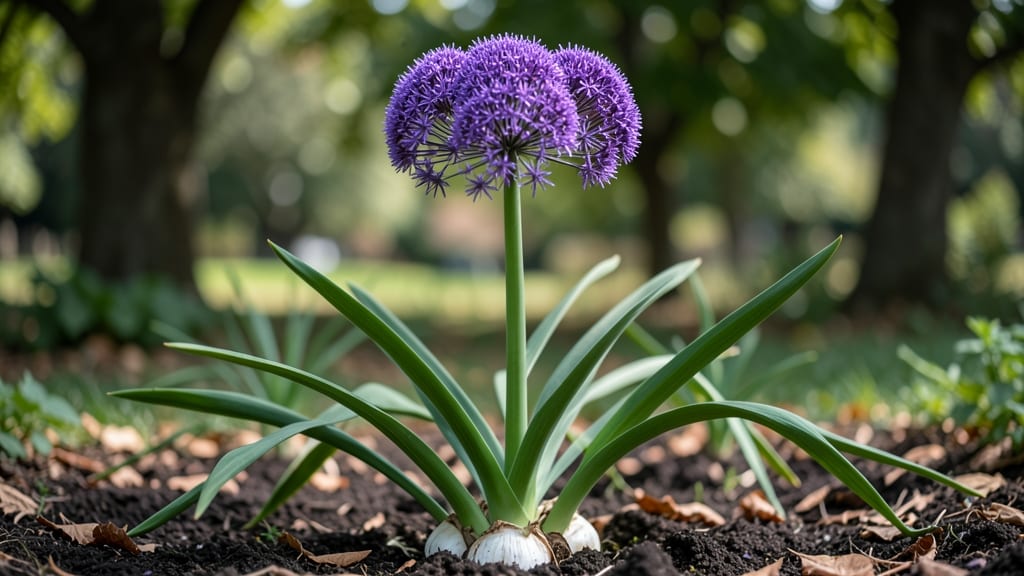
The Allium giganteum bloom time is what separates a stunning garden display from a missed opportunity—these globe-shaped blooms appear suddenly, turning heads with their fragrant purple spikes.
If you’re dreaming of dramatic fragrant spikes that transform your garden into a showstopper, Allium giganteum delivers—but timing is everything. This guide reveals the exact climate-zone bloom windows for these globe-shaped beauties, so you can plan your garden layout like a pro.
In USDA Zone 6a, where most gardeners grow Giant Allium, blooms typically arrive in late May to June, but cooler regions like the Pacific Northwest may see them a month earlier.
Warmer zones like Zone 8 can push flowering into early summer, while late frosts in Zone 5 might delay them until July.
Below, I’ll break down how to adjust planting times, spot early warning signs of delayed blooms, and pair Giant Allium with companion plants for a show-stopping seasonal display—no guesswork required.
Allium giganteum bloom time by USDA hardiness zones: when to expect flowers
Allium giganteum is a showstopper with its dramatic globe-shaped blooms and intoxicating fragrance, but its bloom timing varies dramatically across USDA hardiness zones. Knowing when to expect those fragrant spikes lets you plan companion plants and garden layouts for maximum impact. Let’s break down the month-by-month bloom windows for zones 3 through 9, including regional quirks like the Pacific Northwest’s cooler summers or the Midwest’s unpredictable spring frosts.
Temperature fluctuations play a huge role—cooler zones (3-5) often see blooms 2-3 weeks later than warmer zones (7-9). For example, a Zone 3 garden might not see flowers until late June or July, while Zone 9 gardens can enjoy them as early as April or May.
Even within a zone, microclimates matter: coastal areas bloom earlier than inland spots, and elevated gardens may delay flowering by 10-14 days.
Here’s your zone-by-zone bloom calendar, including early vs. late bloomers and regional adjustments:
| USDA Zone | Typical Bloom Window | Early Bloomers | Late Bloomers | Regional Notes |
|---|---|---|---|---|
| Zones 3-4 | Late June – Early July | Early June (sheltered spots) | Mid-July (cold springs) | Pacific Northwest: 1-2 weeks earlier due to cooler summers. |
| Zones 5-6 | Mid-June – Late June | Late May (south-facing beds) | Early July (late frosts) | Midwest: Watch for late May frosts—delay planting if risk remains. |
| Zones 7-8 | April – Early May | March (coastal areas) | Late May (inland heatwaves) | Southeast: Humidity can delay blooms by 10 days—ensure well-draining soil. |
| Zone 9 | February – March | January (mild winters) | April (hot inland zones) | Desert regions: Water deeply 2 weeks before blooming to encourage spikes. |
Temperature swings can push blooms earlier or later. For example, a sudden cold snap in Zone 7 might delay flowers until late May, while an unseasonably warm April in Zone 5 could trigger blooms as early as mid-May. In Zone 9 gardens, heatwaves above 90°F can cause buds to bolt prematurely, reducing vase life.
If you’re in a transition zone (e.g., Zone 6b vs. 7a), err on the side of later blooming. Plant bulbs in well-draining soil and full sun to minimize delays. In cooler microclimates, like mountain gardens, consider raising beds to warm the soil and encourage earlier spikes.
Pacific Northwest gardeners often see earlier blooms due to cooler summers, while Midwest growers may face late frosts that push blooms into July. To sync blooms with companion plants like delphiniums or lavender, adjust planting dates by 2-4 weeks based on your zone’s history.
Pro tip: Track your local bloom dates for 2-3 years to refine predictions. Note whether rainfall patterns or soil moisture affect timing—drought stress can delay blooms by 10-14 days in Zones 7-9.
For container gardens, use larger pots (12"+ diameter) to stabilize temperature fluctuations and encourage consistent blooming.
Once you’ve nailed down your bloom window, use these spikes as a focal point in late-summer borders. Pair them with grasses or salvias to extend the seasonal interest before their seed heads add winter texture. With this zone-specific guide, you’ll never miss the show again!
How to adjust planting time for perfect Allium giganteum bloom scheduling
Timing your Allium giganteum planting is the secret to unlocking those stunning purple globe blooms at exactly the right moment. Unlike annuals, these perennial bulbs need precise scheduling to sync with your garden's seasonal highlights.
Whether you want spring drama or late-summer flair, small adjustments in planting time can shift bloom windows by months.
For most gardeners in USDA Zones 5-8, the standard fall planting (October-November) delivers May-June blooms. But if you're aiming for earlier spring color or extending the season, strategic planting tweaks work wonders. The key lies in understanding how cold stratification and soil temperatures interact with bulb development.
🌱 Numbered Highlights for Perfect Bloom Timing
- Spring Planting (March-April) forces summer blooms (July-August)—ideal for filling late-season gaps after spring perennials fade.
- Fall Planting (October-November) guarantees May-June flowers—perfect for spring garden highlights when few other blooms compete.
- Soil temperature below 60°F (15°C) for 6-8 weeks triggers bulb dormancy—critical for reliable blooming the following year.
- Companion plants like Salvia nemorosa or Echinacea sync beautifully with Allium giganteum—plant bulbs 6 weeks before these perennials emerge for seamless transitions.
- Mulch with straw after planting to maintain consistent soil temps—this prevents premature sprouting in warm winters or delayed blooming in cool springs.
Pro tip: In warmer climates (Zones 9-10), plant bulbs in winter (December-January) to avoid summer heat stress. The cool winter months provide the dormancy period these bulbs need, while spring rains ensure robust growth.
For container gardening, use well-draining mix with perlite to prevent rot—this lets you adjust planting times more flexibly.
Don't overlook soil preparation—amend clay soils with compost and sand to improve drainage, which directly impacts bloom timing. Well-draining soil ensures bulbs don't sit in cold, wet conditions too long, which can delay flowering.
I've found that adding a slow-release bulb fertilizer at planting time extends bloom duration by nearly 2 weeks in my Zone 6 garden.
For extended seasonal interest, stagger plantings by 4-6 weeks. For example, plant half your bulbs in early fall (September) and the rest in late fall (November).
This creates a prolonged bloom period from late May through July. Pair this with early-blooming perennials like Crocus for a nonstop spring show.
Remember, Allium giganteum thrives on full sun—plant in the sunniest spot of your garden, even if it means relocating established bulbs. The more sunlight they receive, the earlier and more abundant the blooms will be.
With these adjustments, you'll transform your garden into a sequential bloom machine that keeps color going from spring to summer. 🌸