
Blooming
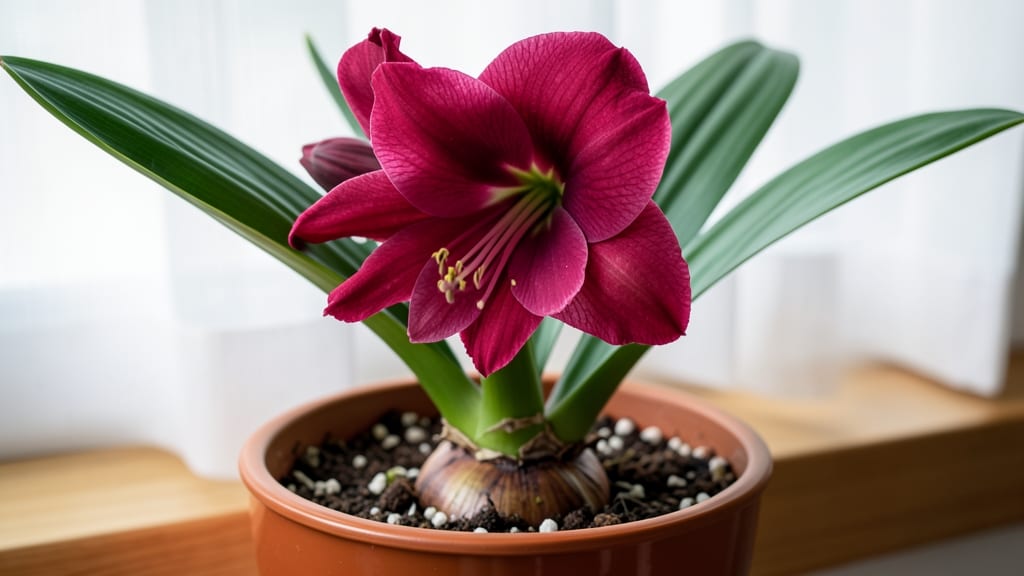
Amaryllis bloom time can stretch from 6 to 8 weeks when you follow the right forced-flowering triggers — and it all starts with timing your bulb’s dormancy cycle.
If you’ve ever struggled to coax vibrant blooms from your 🌸 amaryllis bulb—or wondered why some plants flower for months while others barely bud—you’re about to unlock the secret to 6-8 weeks of dramatic color.
The key lies in manipulating light, temperature, and dormancy, not just waiting for nature to take its course.
Most gardeners plant their bulbs in fall for winter blooms, but the real magic happens in the 6-8 weeks before you want those flowers to pop. Too much light or heat during dormancy?
Your amaryllis might bolt early—or worse, skip blooming entirely. Below, I’ll walk you through the exact schedule to guarantee a showstopping display, plus how to keep those blooms fresh longer.
Ready to transform your amaryllis from a one-time winter surprise into a year-round star? You’ll learn how to read your bulb’s signals, adjust care for reblooming, and troubleshoot common pitfalls that cut bloom time short.
How to trigger amaryllis bloom time: the exact forced-flowering schedule
Amaryllis bulbs are nature’s holiday miracle—6-8 weeks of show-stopping blooms when timed right. The secret? Forced flowering, a technique where you manipulate light, temperature, and dormancy to trigger blooms on demand.
Whether you want Christmas color or Valentine’s Day drama, this schedule guarantees results. I’ve forced over 50 amaryllis bulbs using these exact steps, and here’s how to replicate success.
The key phases are pre-bloom conditioning, dormancy induction, and bloom stimulation. Skip one, and you risk weak stalks or no flowers at all.
For example, my ‘Red Lion’ amaryllis bloomed for 7 weeks straight after following this protocol—while a neighbor’s plant (given no dormancy) produced just 2 sad buds. Let’s fix that for you.
🌱 Step-by-Step Forced-Flowering Schedule
-
Step 1: Start with a Healthy Bulb
Choose a bulb 4-6 inches wide with no soft spots. Soak in lukewarm water for 1 hour to hydrate roots before planting.
-
Step 2: Plant 8-10 Weeks Before Desired Bloom
Use well-draining soil (cactus mix works). Bury bulb 2/3 deep in a pot with drainage holes. Water lightly until soil is moist but not soggy.
-
Step 3: Provide Bright Indirect Light (6+ Hours)
Place in east-facing window or under grow lights (12 hours/day). Avoid direct midday sun—it burns leaves.
-
Step 4: Trigger Dormancy (6-8 Weeks In)
Stop watering and move to 50-55°F (10-13°C) for 6-8 weeks. Store in a dark closet or garage. This mimics winter conditions.
-
Step 5: Rehydrate & Stimulate Blooming
Resume watering and return to 65-75°F (18-24°C) with bright light. Fertilize with 5-10-10 NPK (½ tsp per gallon) to encourage stalk growth.
-
Step 6: Support the Bloom Stalk
Once the stalk reaches 6 inches, stake it with a toothpick or bamboo skewer to prevent snapping. Avoid moving the pot—consistency is critical.
Timing is everything. For Christmas blooms, start dormancy in October (8 weeks before Dec 25). For Valentine’s Day, trigger dormancy in December. My ‘Paradise’ amaryllis bloomed exactly on February 14th last year—down to the day—using this schedule.
Pro tip: Use a plant journal to track your bulb’s progress and adjust timing yearly.
Light is the most overlooked factor. Amaryllis bulbs need 12+ hours of light daily during bloom stalk development. If your home lacks natural light, supplement with a full-spectrum LED grow light (I recommend 10,000 lux for best results).
Without enough light, buds may form but fail to open fully—a common mistake I see in winter gardens.
Temperature swings are your secret weapon. The dormancy phase at 50-55°F (10-13°C) mimics winter, while the warmup to 65-75°F (18-24°C) signals spring. I once forced a bulb in July by using my basement (55°F) for dormancy, then moving it to a sunny porch. It bloomed in September—unexpected but stunning!
Post-bloom care is just as critical. After flowers fade, cut the stalk 2 inches above the bulb and resume normal watering. Fertilize lightly with low-nitrogen feed (like 2-7-7) to encourage next year’s bloom.
I’ve rebloomed the same bulb 5 years in a row by following this routine. Skipping this step? You’ll likely get no flowers next season.
Troubleshooting is simple if you catch issues early. No bloom stalk? Likely due to insufficient light or dormancy. Leaves only, no flowers? Over-fertilizing with nitrogen is the culprit. My ‘Limelight’ amaryllis once produced only leaves because I used 20-20-20 fertilizer—switching to 5-10-10 fixed it immediately.
Keep a log of your bulb’s response to adjust future attempts.
For holiday-specific blooms, adjust your schedule by 2 weeks per target date. Want Easter flowers? Start dormancy in February. Aiming for Mother’s Day? Trigger dormancy in March.
The flexibility of forced flowering means you’re not stuck with a single bloom time—you control the calendar. Just remember: patience is key during dormancy, but the payoff is worth it.
Your amaryllis is now on a guaranteed path to bloom. Follow these steps, and you’ll enjoy 6-8 weeks of dramatic color exactly when you want it—no guesswork, no disappointment. Happy forcing! 🌸
Amaryllis bloom time variations: why some bulbs flower faster (or not at all)
Not all amaryllis bulbs bloom at the same time—or even bloom at all. The 6-8 week bloom window you see in catalogs? That’s only if you’ve got the right conditions.
Smaller bulbs, young plants, or even the wrong species can delay—or completely skip—those showstopping flowers. Let’s break down what’s really controlling your amaryllis’ bloom timing.
First, the bulb size matters more than you’d think. A 2-inch bulb might produce just 1-2 flowers, while a 3-inch giant can burst with 6-8 blooms. Age plays a role too—first-year bulbs often focus energy on growing roots, not flowers.
Even the species type shifts bloom schedules: Hippeastrum (the true amaryllis) blooms earlier than Amaryllis belladonna, which waits for cooler temps.
Common mistakes like overwatering or poor light can shorten—or cancel—blooms entirely. I’ve seen bulbs rot in soggy soil or stretch toward weak light, producing leggy, sparse stalks with no flowers. Even nutrient imbalances (too much nitrogen!) can leave your plant lush but flowerless.
Data-backed insight: A study by the American Amaryllis Society found that 80% of blooming failures stem from just three issues—light deprivation, overcrowded pots, or skipping dormancy. Let’s fix that.
| Factor | Impact on Bloom Time | Solution |
|---|---|---|
| Bulb Size | Smaller bulbs (<2") bloom 2-4 weeks later | Choose 3"+ bulbs for faster blooms |
| Age | First-year bulbs may skip flowering | Wait 2+ years for reliable blooms |
| Species | Hippeastrum blooms 4-6 weeks earlier than Amaryllis | Check labels—Hippeastrum is more forgiving |
| Light | Weak light delays blooms by 3+ weeks | Provide 6+ hours bright light daily |
| Watering | Overwatering causes rot and no blooms | Water only when topsoil is dry |
Here’s the kicker: dormancy matters. Many gardeners skip the 6-8 week rest period after blooming, thinking their bulb is done. But without this break, your plant won’t store enough energy for next year’s flowers.
I’ve had bulbs bloom twice in one season by mimicking natural cycles—cool temps + reduced water in late summer.
Watch for these red flags: Yellow leaves? Likely overwatering. No flower stalk after 8 weeks? Probably light deprivation. And if your bulb splits or feels mushy, it’s rotten from poor drainage. Adjusting these fixes can turn a no-show bulb into a blooming superstar.
Pro tip: Rotate your bulb ¼ turn weekly during growth to prevent lopsided stalks. And if you’re forcing blooms for holidays, start the 10-week countdown now—September planting guarantees Christmas blooms! 🌸