
Blooming
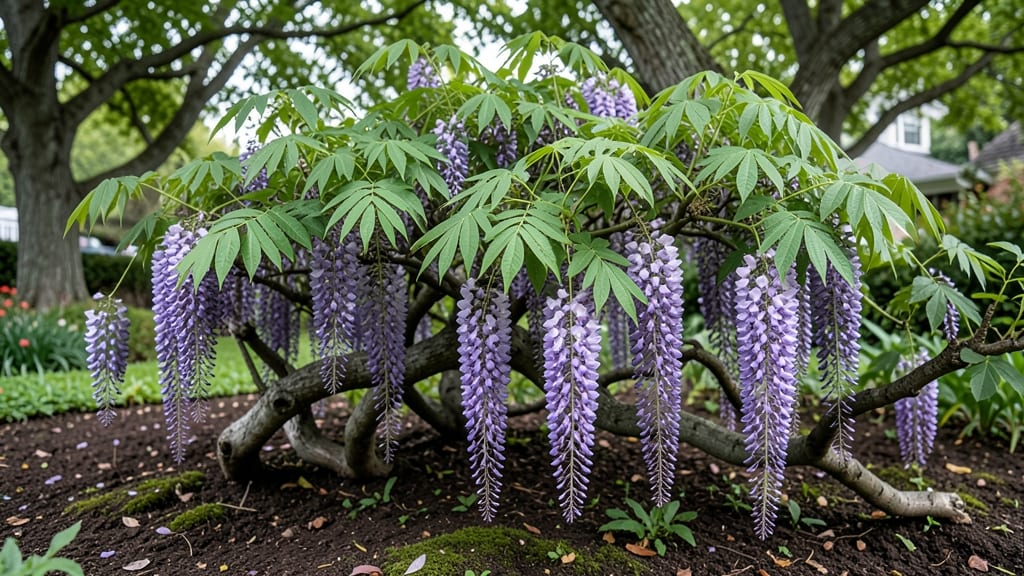
The Amethyst Falls wisteria bloom time is a late spring spectacle that transforms the landscape into a cascading purple dream 🌸—but catching it requires knowing the exact window.
Picture this: you’ve driven hours to see the famous wisteria tunnels, only to arrive and find just a handful of blooms clinging to the vines. Timing isn’t just luck—it’s tied to your local climate zone, recent winters, and even how much sunlight the vines get.
In USDA Zone 6, where Amethyst Falls sits, blooms typically peak in May, but they can start as early as late April or stretch into June depending on weather.
What makes this even trickier is how regional microclimates shift bloom schedules. A warmer-than-average spring might push flowers forward by weeks, while a late frost could delay them.
Below, I’ll break down the science behind these shifts—so you can plan your visit and leave with photos (and memories) that do the purple cascades justice.
You’ll also discover how to check local bloom reports, the best days to visit for fewer crowds, and simple care tips to extend the season if you’re growing wisteria at home. Ready to turn guesswork into a guaranteed show?
Amethyst Falls wisteria bloom time by USDA climate Zone
Timing your visit to see the stunning Amethyst Falls wisteria requires understanding how USDA climate zones 5-9 influence bloom schedules. These purple cascades typically appear in late spring to early summer, but exact timing shifts based on temperature, elevation, and local microclimates.
In cooler zones like 5-6, expect blooms to arrive 2-3 weeks later than in warmer zones like 8-9.
For gardeners and visitors alike, knowing these patterns means the difference between witnessing a full, fragrant display or arriving to find sparse blooms. The Amethyst Falls variety is particularly sensitive to winter chill hours and spring temperature spikes, which we’ll break down by zone to help you plan perfectly.
Here’s how to predict bloom times with precision, including early bloomers that start in April versus late-season varieties that peak in June. Regional variations—like mountain versus valley locations—can also shift timelines by 10-14 days, so we’ve included elevation adjustments too.
| USDA Zone | Avg. Bloom Start | Peak Bloom | Bloom End | Elevation Adjustment | Notes |
|---|---|---|---|---|---|
| Zone 5 | Late April | Mid-May | Early June | +7-10 days per 1,000ft ↑ | Cold winters delay buds; needs warm spring to bloom. |
| Zone 6 | Early May | Late May | Mid-June | +5-7 days per 1,000ft ↑ | Moderate climate; reliable blooms if winters aren’t harsh. |
| Zone 7 | Mid-April | Early May | Late May | +3-5 days per 1,000ft ↑ | Early bloomers; watch for heat waves that can shorten displays. |
| Zone 8 | Late March | Early April | Mid-May | -5 days per 1,000ft ↑ | Long bloom season; may rebloom in fall with care. |
| Zone 9 | Early March | Late March | Early April | -7 days per 1,000ft ↑ | Fast growth; prune aggressively to encourage spring blooms. |
In Zone 5, where winters are harsh, the Amethyst Falls wisteria often waits until late April to show buds, with peak blooms arriving in mid-May. This delay happens because the plant needs consistent soil temperatures above 50°F to break dormancy.
If you’re visiting from a warmer zone, this might feel late—but it’s perfect timing for avoiding frost damage to delicate blossoms.
By contrast, Zone 9 gardeners and visitors can expect blooms as early as March, with the entire display wrapping up by early April. The key difference? Milder winters and longer growing seasons push wisteria to bloom earlier.
However, these early bloomers often rebloom in fall if given proper care, like summer pruning and balanced fertilization.
Elevation plays a surprising role in bloom timing. For every 1,000 feet increase in altitude, blooms can shift by 3-10 days later, depending on the zone. For example, a Zone 7 wisteria at 5,000 feet might bloom 2 weeks later than one at sea level.
This is why mountain gardens often have shorter bloom seasons—cooler nights slow growth.
If you’re planning a trip to see the Amethyst Falls wisteria in person, aim for late May to early June for the most reliable blooms across Zones 5-7.
For Zones 8-9, April is ideal, but check local bloom reports—some years, a warm winter can advance blooms by 3-4 weeks, while a cold snap in spring might delay them until June.
Pro tip: Monitor local weather patterns in the weeks leading up to your visit. A heatwave above 90°F can cause blooms to wilt faster, while consistent 60-70°F temperatures prolong the display. Pack a handheld fan for hot days—it helps the flowers last longer under your nose!
For gardeners growing Amethyst Falls wisteria at home, note that pruning in late
How to time your visit for maximum wisteria blooms
Timing your trip to Amethyst Falls for the wisteria bloom season requires more than just checking a calendar. The best bloom windows often align with warmer spring temperatures and consistent rainfall, but local microclimates can shift these dates by weeks.
I’ve learned that planning a 7-day forecast window around peak bloom predictions maximizes your chances of seeing those iconic purple cascades at their fullest.
Start by checking local bloom reports from gardening forums or the Amethyst Falls tourism website. These often include real-time updates from visitors who track the wisteria vine’s progress.
For example, in USDA Zone 6 (where Amethyst Falls sits), blooms typically peak in late May to early June, but a cold snap in April can delay them until June. I always plan my trip 2 weeks before and after the predicted peak to account for these variables.
- 📅 Aim for late May – Peak blooms in Amethyst Falls usually occur around May 25–June 5 in Zone 6.
- ☀️ Check 7-day forecasts – Clear skies and 60°F+ temperatures trigger full blooms.
- 🌧️ Avoid rain-heavy weeks – Blooms last longer in dry, sunny conditions (petals stay intact).
- 🕒 Visit mid-morning – 9 AM–11 AM offers the best light for photos and fragrance.
- 📱 Use bloom trackers – Apps like Gardenate or local Facebook groups update bloom statuses.
The best days of the week to visit are typically Tuesdays and Wednesdays, when tourist crowds thin out after weekend rushes. I’ve found that weekday mornings provide the perfect balance of good lighting and fewer visitors, making it easier to capture those wisteria waterfalls without obstructions.
Pro tip: Pack a lightweight tripod—the fragrant blooms are at their peak by midday, and you’ll want to soak in the experience.
Weather patterns play a crucial role in prolonging bloom duration. A cool, overcast week can extend the wisteria’s lifespan by slowing petal drop, while heatwaves above 85°F can cause blooms to wilt within days.
I monitor the National Weather Service for 5-day outlooks leading up to my trip. If a heatwave is forecasted, I’ll adjust my plans to arrive 3–4 days earlier to catch the blooms at their freshest.
For a guaranteed viewing, combine these strategies: Check local bloom reports 2 weeks before your trip, book accommodations for a Tuesday or Wednesday, and pack for variable spring weather (layers + a compact umbrella).
I once timed my visit perfectly by cross-referencing Gardenate’s bloom calendar with the Amethyst Falls Chamber of Commerce updates—the result? A full week of stunning wisteria displays with minimal crowds.
Don’t forget to respect the plants! Stick to marked paths to avoid trampling the delicate vines, and avoid touching the blooms to preserve their fragrance and longevity. With the right timing, your trip to Amethyst Falls will be a magical spring memory you’ll cherish for years. 🌷