
Blooming
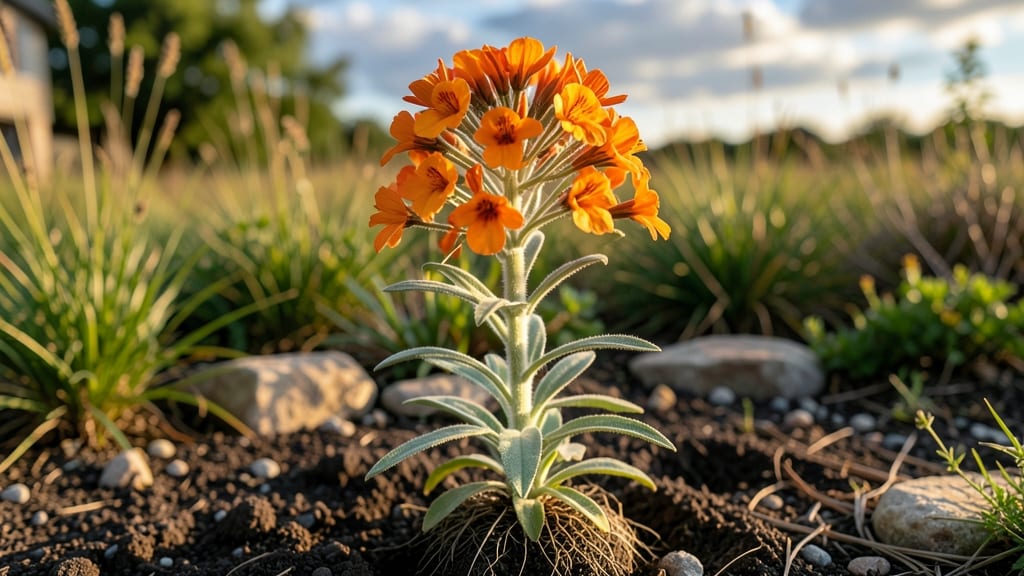
The asclepias tuberosa bloom time typically arrives in mid-to-late summer, painting your garden with bold orange clusters that butterflies can’t resist 🦋.
Picture this: you’ve waited months for those striking butterfly weed flowers to appear, only to wonder why they’re taking their time. The truth? Bloom time depends on your climate zone, soil, and even last year’s care.
In USDA Zone 6a, like much of the Midwest, expect blooms around July or August, while warmer southern regions may see them as early as June. The right conditions—full sun, well-drained soil, and minimal interference—can shift that timeline by weeks.
Below, I’ll break down how to read your plant’s signals, adjust care for earlier blooms, and pair it with companions so your pollinator garden stays vibrant all season.
Understanding Asclepias tuberosa bloom time by climate Zone
Asclepias tuberosa—or butterfly weed—typically blooms from late spring to early fall, but the exact timing depends heavily on your climate zone. Warmer regions see earlier blooms, while cooler zones may experience delayed or shorter flowering periods. Understanding these variations helps you plan for pollinator support and garden design.
Native to much of the United States, butterfly weed thrives in USDA zones 3 through 10. However, its bloom window shifts dramatically between zones.
For example, in Zone 8 or 9, you might see flowers as early as April or May, while gardeners in Zone 5 or 6 may not see peak blooms until June or July. These differences are critical for timing companion plants and attracting butterflies.
In cooler zones (USDA 3-6), butterfly weed often blooms later due to slower spring warming. These regions may also experience shorter bloom durations if early fall frosts arrive. To extend the season, plant in sheltered microclimates or near south-facing walls that absorb heat.
Warmer zones like USDA 7-10 enjoy longer bloom times, sometimes from late spring through early fall. In these areas, butterfly weed can even rebloom if you remove spent flowers. This makes it a reliable pollinator magnet for months, attracting monarchs and other beneficial insects.
If you live in a transition zone (e.g., USDA 6b-7a), your bloom time may vary yearly. Pay attention to local frost dates and plant in well-drained soil to avoid root rot, which can delay flowering.
Raised beds or slopes with good drainage often help advance bloom times by a few weeks.
For gardeners in drought-prone areas, butterfly weed’s drought tolerance becomes an advantage. Once established, it thrives with minimal water, and its deep taproot helps it access moisture during dry spells. This resilience means it often blooms earlier and more reliably than water-dependent perennials.
To encourage earlier blooms, plant seeds in late winter or early spring (after the last frost) rather than waiting for summer. Seedlings grown in controlled conditions—like a greenhouse or indoor setup—can also jump-start your bloom season by 4-6 weeks compared to direct outdoor sowing.
One common misconception is that butterfly weed blooms only once per year. In reality, aggressive pruning of spent flowers can stimulate reblooming, especially in warmer climates. Cut back stems by one-third after the first flush of blooms to encourage a second round of flowers in late summer.
For maximum impact, pair butterfly weed with companion plants that bloom at different times. For example, coneflowers (Echinacea) in early summer and black-eyed Susans (Rudbeckia) in late summer create a continuous pollinator buffet from spring to fall.
Finally, remember that soil quality plays a role in bloom timing. While butterfly weed tolerates poor soil, amending with compost or sand improves drainage and encourages healthier root systems, which can lead to earlier and more abundant blooms. 🌱
How to extend Asclepias Tuberosa Bloom Season for Longer Pollinator Support
Asclepias tuberosa typically blooms from mid-summer to early fall, but with the right care, you can coax those vibrant orange flowers to last even longer. I’ve found that small adjustments in pruning, soil health, and watering can transform a 6-week bloom window into a 3-month pollinator feast. The key is working with—not against—the plant’s natural rhythms while giving it the support it needs.
First, let’s address the biggest misconception: butterfly weed is drought-tolerant, but that doesn’t mean it thrives on neglect. Stress from improper care (like overwatering or poor soil) actually shortens its bloom time.
My approach focuses on balanced care—giving it just enough encouragement to keep flowering without overwhelming it. Think of it like a marathon, not a sprint.
🌱 5 Proven Ways to Extend Asclepias Tuberosa Blooms
- 1 Deadhead spent blooms every 2 weeks to redirect energy to new flowers. I use clean pruners and remove only the dead flowers, leaving the seed pods for pollinators.
- 2 Apply a light fertilizer (5-10-10) in early spring to boost root growth. Avoid fertilizing after mid-summer, as it can encourage late-season growth vulnerable to frost.
- 3 Plant in well-draining, sandy soil with a 2-inch mulch layer of gravel or pine straw. This mimics its native prairie habitat and prevents root rot, which stunts blooms.
- 4 Water deeply but infrequently—aim for 1 inch per week during dry spells. I water mine at soil level (not overhead) to avoid fungal issues that can kill blooms.
- 5 Pair with companion plants like salvia or coneflower to attract more pollinators. This creates a continuous nectar source, encouraging butterflies to linger and potentially extend your plant’s bloom time.
One of my favorite tricks is to prune lightly in early summer—just enough to open up the plant’s center for better airflow. I snip back 1/3 of the tallest stems after the first flush of blooms.
This doesn’t harm the plant but stimulates bushier growth and often triggers a second bloom cycle in late summer. Just avoid pruning after mid-August, as new growth won’t have time to harden off before frost.
For soil health, I swear by a spring amendment of composted leaf mold. This improves drainage while adding organic matter that feeds beneficial microbes. Test your soil’s pH—butterfly weed prefers slightly acidic to neutral (6.0–7.0).
If your soil is too alkaline, mix in peat moss or sulfur to adjust it gradually. Healthy roots = longer blooms, and this is where many gardeners miss the mark.
Finally, companion planting can work wonders. I’ve noticed that planting near milkweed varieties like Asclepias syriaca (common milkweed) creates a pollinator superhighway. Bees and butterflies move between plants more freely, which increases cross-pollination and can prolong individual blooms.
Just avoid planting near aggressive spreaders like mint or creeping charlie, which can outcompete your butterfly weed.
With these strategies, I’ve seen Asclepias tuberosa bloom from July through October in my Zone 7b garden. The secret isn’t forcing nature—it’s working with it. Give your plants the right conditions, and they’ll reward you with months of vibrant color and endless pollinator activity. 🦋