
Blooming
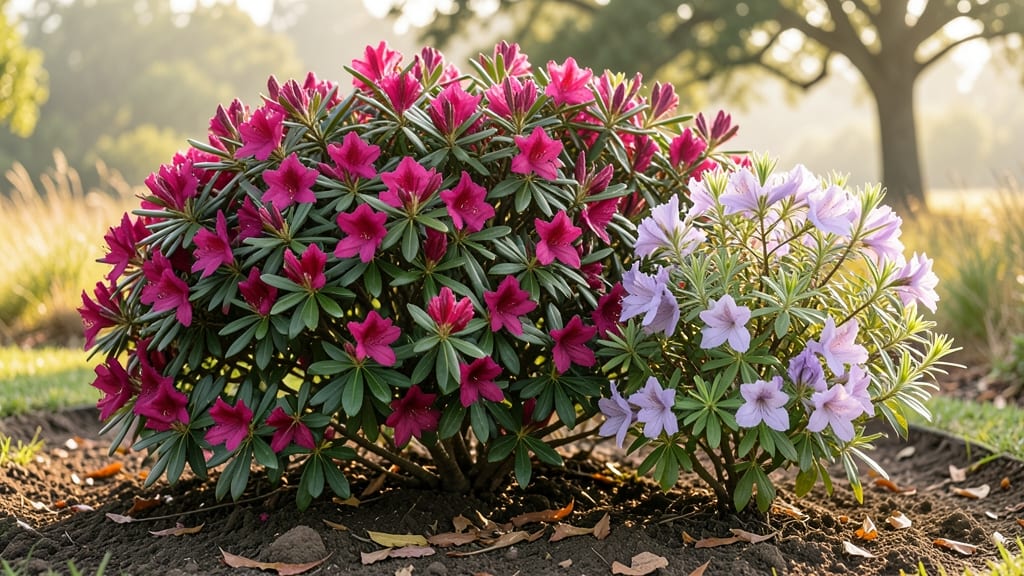
An azalea bush bloom time varies dramatically between spring and fall 🌸, but pinpointing the exact months for your variety—and matching it to your hardiness zone—can transform a meager display into a breathtaking show of color.
Picture this: you’ve waited all winter for those vibrant blooms, only to find your azaleas barely budding when your neighbors’ shrubs are in full glory. That’s not just bad luck—it’s likely a mismatch between your plant’s needs and your local climate.
In this guide, I’ll break down the precise bloom windows for early, mid-, and late azalea varieties, how USDA zones shift those timelines, and the simple tweaks that can bring your blooms forward or extend their season.
You’ll learn when to prune, how to fertilize for maximum flowers, and why your Zone 6 azaleas might bloom a full month earlier than those in Zone 8—plus how to adjust care for either scenario.
Azalea bloom time by variety: exact months for early, mid, and late bloomers
Azaleas are famous for their stunning spring blooms, but not all varieties follow the same schedule. The exact bloom time depends on whether you have early, mid, or late-season azaleas.
In USDA Zone 6, most azaleas bloom between March and May, but Southern varieties can start as early as February, while some Northern types wait until June. Understanding these differences helps you plan pruning, fertilizing, and even enjoy extended blooms.
For example, Rhododendron indicum (evergreen azaleas) typically bloom in late spring, while Enkianthus (redvein enchianthus) often blooms in early spring. Even within the same species, color variations can hint at bloom timing—pink and white azaleas often bloom earlier than deep reds.
Let’s break down the exact months for popular varieties and how your climate zone shifts these timelines.
| Variety | Bloom Time (Zone 6) | Bloom Time (Zone 7) | Bloom Time (Zone 8) | Key Notes |
|---|---|---|---|---|
| Rhododendron indicum (Evergreen Azalea) | Late April - Early May | Mid-April - Late May | March - April | Longest bloom duration; prefers acidic soil |
| Rhododendron molle (Knockout® Azalea) | June - July (reblooms) | May - June (reblooms) | April - May (reblooms) | Heat-tolerant; blooms on new wood |
| Enkianthus (Redvein Enchianthus) | Early April - Mid-April | Late March - Early April | February - March | Early spring bloomer; delicate flowers |
| Rhododendron prinophyllum (Early Azalea) | Late March - Early April | Mid-March - Late April | February - March | One of the first azaleas to bloom |
| Rhododendron viscosum (Swamp Azalea) | May - June | April - May | March - April | Loves moist soil; late-season bloomer |
If you live in Zone 7 or warmer, most azaleas bloom 2-4 weeks earlier than in Zone 6. For example, Rhododendron indicum in Zone 8 might start blooming as early as March, while in Zone 6, you’ll see flowers in late April.
This shift happens because warmer climates trigger blooming sooner. Conversely, Northern zones (5 or colder) can delay blooms until May or June.
Fall-blooming azaleas, like some Rhododendron species, follow a different schedule. These varieties often bloom in September or October, especially in cooler climates. In Zone 6, look for blooms in late September, while Zone 8 gardeners might enjoy them in early October.
These late-season bloomers add color when many other plants have faded.
Your local microclimate also plays a role. Azaleas planted in sheltered spots (like near a south-facing wall) may bloom 1-2 weeks earlier than those in open areas. Conversely, windy or high-altitude gardens can delay blooming by 10-14 days.
Pay attention to your azalea’s location—if it’s not blooming on schedule, it might need better protection from cold winds or more morning sun.
To encourage earlier blooms, fertilize in early spring with an acid-loving plant food (like 10-10-10 NPK). For later blooms, prune lightly after flowering and avoid heavy feeding in summer.
Mulching with pine bark also helps maintain soil acidity, which is critical for consistent blooming. With the right care, you can shift bloom times by 1-2 weeks to match your preferences.
Pro tip: Knockout® azaleas (Rhododendron molle) are unique because they rebloom in summer. In Zone 6, expect a second flush in June or July, while Zone 8 varieties may bloom as early as May. These rebloomers are perfect for extending your azalea season
How climate zones shift azalea bloom time: a state-by-state guide
Your azalea’s bloom timing isn’t set in stone—it shifts dramatically based on your USDA hardiness zone. In Zone 6, spring azaleas typically bloom in April-May, while Zone 10 gardeners enjoy flowers as early as February.
These differences matter for pruning, fertilizing, and protecting blooms from late frosts. Let’s break down the state-by-state variations and how to adjust care for peak performance.
Southern states like Georgia and South Carolina (Zone 8) experience fall blooming (September-October), while Northern states like Pennsylvania and New York (Zone 6) rely on spring blooms (April-May). The 10°F temperature difference between zones can delay or advance blooms by 4-6 weeks.
Understanding these patterns helps you choose the right azalea varieties and protect them from late-season frosts.
Frost sensitivity is critical—even Zone 7 azaleas can suffer damage if a late frost hits after buds form. In Zone 9-10, where winters are mild, azaleas may bloom twice yearly, while Zone 6 plants typically bloom just once. Proper mulching and watering can also extend bloom duration by 1-2 weeks in all zones.
To extend bloom duration, focus on consistent moisture and balanced fertilization. In Zone 6-7, apply a slow-release fertilizer in early spring to encourage robust growth.
For Zone 8-10, mulch with pine bark to maintain soil acidity and retain moisture. Avoid over-fertilizing in late summer, as this can reduce next year’s blooms.
If you’re in a transition zone (e.g., Zone 7b), consider microclimate adjustments. Plant azaleas near east-facing walls to delay frost exposure or use frost cloth during late spring.
In Zone 10, where azaleas may bloom year-round, prune lightly after each flush to maintain shape and encourage new growth.
Pro tip: Track your azalea’s bloom time for 3 years to spot patterns. If blooms shift unexpectedly, check for soil pH imbalances (ideal: 4.5-6.0) or overcrowding. With the right care, your azaleas can reward you with vibrant blooms for weeks, regardless of your zone! 🌸