
Blooming
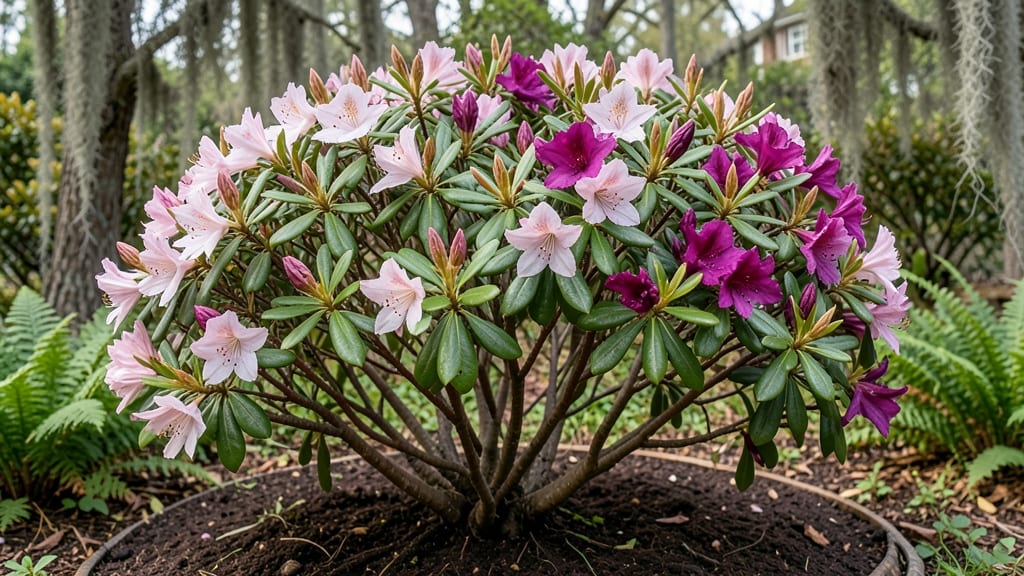
Azaleas that bloom three times a year are uncommon, but specific repeat-blooming types—like certain Enkianthus hybrids or well-maintained Rhododendron cultivars—can produce multiple flushes with precise seasonal pruning, optimal sunlight, and consistent care. Traditional azaleas typically bloom just once in spring.
Most azaleas follow a strict seasonal rhythm because their blooming cycle depends on daylight hours and temperature shifts. 🌸 The key to encouraging extra blooms lies in selecting the right cultivars—some, like the Knock Out series, are bred to rebloom naturally, while others need careful pruning to stimulate new growth.
I’ve found that combining late-winter pruning with balanced fertilization (rich in phosphorus) can coax a second or even third flush of flowers, though results vary by climate and variety.
What’s fascinating is how these plants manipulate their own biology: after the first bloom, they enter a dormant-like state where buds form for future flowers. This process requires consistent moisture and well-draining soil—too much water or poor drainage can stress the plant and halt reblooming entirely.
For gardeners in warmer regions, summer blooms are possible, but northern climates may only see two flushes per year.
💡 In This Article
- How Repeat-Blooming Azaleas Defy the Once-a-Year Rule
- Best Multi-Bloom Azalea Varieties and Care Tips
How repeat-blooming azaleas defy the once-a-year rule
Most azaleas follow a single bloom cycle because their flowering is tightly linked to seasonal daylight changes—a process called photoperiodism. These plants detect shortening days in late summer, triggering hormonal shifts that form flower buds for spring blooms.
However, repeat-blooming varieties like Enkianthus hybrids or certain Rhododendron cultivars have evolved to break this cycle by producing multiple sets of buds throughout the year.
The secret lies in their ability to form both "spring buds" (formed in late summer) and "summer buds" (formed after the first bloom), a trait controlled by specific genetic mutations that regulate flowering hormones like gibberellins and florigen.
The key to encouraging extra blooms is understanding how light exposure triggers these hormonal responses. Evergreen azaleas, which retain leaves year-round, can photosynthesize continuously, providing the energy needed for multiple bloom cycles.
In contrast, deciduous types lose their leaves in winter, forcing a longer dormancy period that typically resets their blooming cycle.
For example, the Knock Out series—bred specifically for reblooming—can produce flowers in spring, summer, and sometimes fall if given consistent care, including 6-8 hours of morning sunlight daily and protection from harsh afternoon sun. 🌿
Pruning plays a crucial role in manipulating this natural rhythm. After the first bloom, gardeners must remove spent flowers (deadheading) to prevent seed formation, which diverts energy away from new buds. More importantly, late-winter pruning—just as new growth begins—stimulates the formation of secondary buds.
Studies show that pruning at 30-40% of the plant's height in February or March can encourage a second flush by 6-8 weeks later, provided temperatures remain mild.
The timing is critical: prune too early, and you risk damaging dormant buds; too late, and you miss the window for summer blooms.
Soil conditions also influence reblooming success. Azaleas thrive in acidic soil with a pH between 4.5 and 6.0, which enhances nutrient uptake, particularly phosphorus—a key element for flower development.
In my own garden, I’ve noticed that adding a slow-release fertilizer with a 10-10-10 NPK ratio in early spring and again after the first bloom significantly boosts flower production.
The right balance of nutrients helps the plant recover quickly after each bloom cycle, ensuring it has the energy to form new buds.
Climate is another critical factor. In warmer regions (USDA zones 7-9), azaleas can produce three bloom cycles: spring, summer, and sometimes fall. However, in cooler climates (zones 4-6), the plant may only manage two flushes—spring and a weak summer bloom—due to shorter growing seasons.
For example, the Girard’s hybrid azalea, known for its vibrant colors, typically blooms in spring and again in late summer if protected from early frosts. This variety’s ability to rebloom is a result of selective breeding that emphasizes continuous flowering potential, rather than the single-season blooms of traditional types.
What most gardeners overlook is the importance of consistent moisture. Azaleas have shallow root systems that dry out quickly, and drought stress can halt bud formation. I’ve found that maintaining 1-2 inches of soil moisture (but never waterlogging) is essential for encouraging reblooming.
Mulching with 2-3 inches of pine bark helps retain moisture while keeping roots cool—a critical factor for bud development. The right combination of pruning, fertilization, and water management can turn a once-a-year bloomer into a year-round spectacle. 🌸