
Flowers
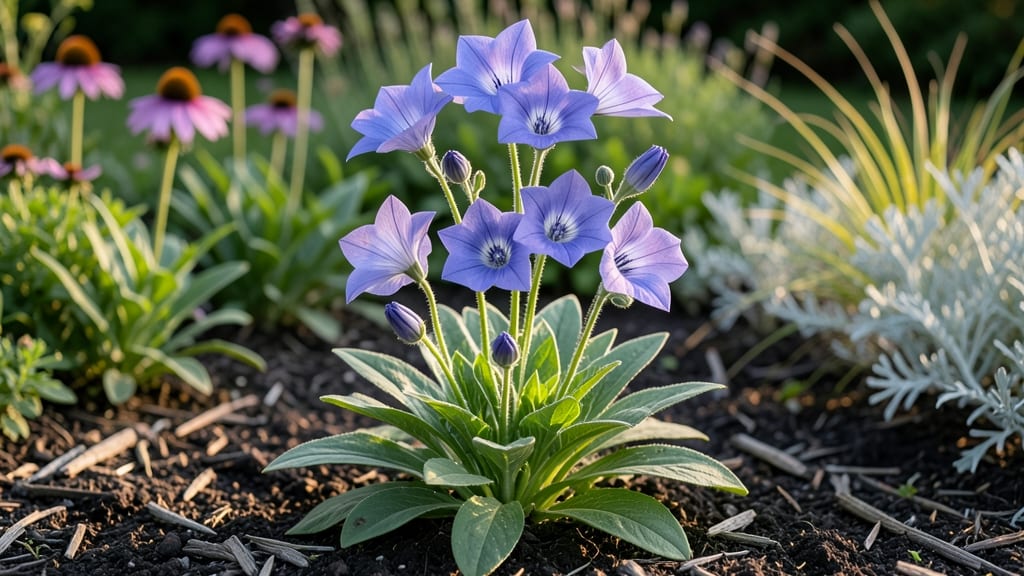
The balloon flower bloom time is all about heat triggers, frost sensitivity, and the right variety for your zone — and getting it wrong can mean waiting months for those iconic 🌸 blooms.
If you’ve ever planted Platycodon grandiflorus in Zone 6a and watched it sit quietly through spring, you’re not alone. These perennials need a specific temperature window to kickstart flowering, and a late frost or cool snap can push blooms into summer instead of late spring.
Below, I’ll break down the exact stages of heat-triggered blooming, how frost affects timing, and which varieties bloom early, mid-season, or late — plus how to coax extra flowers from your plants.
You’ll learn the 3 key factors that control bloom windows, when to expect repeat flowering, and simple care tweaks to extend your display from June through September.
Heat-triggered bloom stages: when and how balloon flowers respond to temperature
Balloon flowers (Platycodon grandiflorus) are fascinating because their bloom cycles are directly tied to temperature shifts. These hardy perennials typically thrive in 50°F–75°F ranges, but heat waves above 80°F can either accelerate or stall their flowering.
Understanding these heat-triggered stages helps you predict bloom windows and adjust care for maximum floral displays.
Bud formation begins when daytime temperatures consistently reach 60°F—usually in late spring—but cooler nights (55°F) slow development. Once buds form, 65°F–70°F daytime temps trigger rapid growth, leading to peak blooms in 6–8 weeks.
Heat waves above 85°F can cause buds to drop prematurely, while sudden cold snaps may delay flowering entirely.
Here’s how different temperature ranges affect each bloom stage:
| Stage | Temperature Threshold | Bloom Timeframe | Heat Impact |
|---|---|---|---|
| Bud Formation | 50°F–65°F | 4–6 weeks | Cooler temps delay; heat accelerates |
| Bud Swelling | 60°F–70°F | 2–3 weeks | Ideal for growth; heat stress risks |
| Peak Blooming | 65°F–75°F | 3–4 weeks | Optimal conditions; heat reduces duration |
| Post-Bloom | Below 60°F | Seed set in 4–6 weeks | Cooler temps extend seed development |
For early bloomers like 'Blue Ensign,' aim to plant in early spring (zone 5+) when soil temps hit 55°F. These varieties tolerate brief heat spikes but may need afternoon shade in zone 8+ to prevent bud drop.
In contrast, late-season varieties like 'White Queen' thrive in 65°F–75°F and often rebloom in fall if nights stay above 50°F.
Heat waves above 85°F can stress balloon flowers, causing buds to abort or wilt. To mitigate this, provide daily afternoon shade during summer peaks and increase watering to 1–2 inches per week.
Mulching with 2–3 inches of organic matter also helps regulate soil temps and retain moisture, which is critical during heat stress.
If your balloon flowers bloom late, check for overcrowding or nutrient deficiencies. These plants need well-draining soil with pH 6.0–7.0 and balanced fertilizer (10-10-10) applied every 4–6 weeks during active growth. Over-fertilizing with nitrogen can delay flowering, so prioritize phosphorus-rich feeds when buds form.
In USDA zones 3–5, early spring frosts can trigger premature blooming as plants rush to flower before summer heat arrives. To extend blooms, deadhead spent flowers and avoid heavy pruning until after the first frost. This encourages reblooming in fall when temps drop back into the 60°F–70°F ideal range.
For container-grown balloon flowers, choose larger pots (12+ inches) to prevent heat stress from shallow roots. Terracotta pots help regulate temps better than plastic, but ensure they’re placed in partial shade during peak afternoon sun. Elevate containers slightly to improve airflow and reduce soil compaction.
Monitor your local heatwave forecasts and adjust care accordingly. If a 90°F+ spell is predicted, group plants together to create a microclimate with cooler, shaded conditions. This simple trick can buy your balloon flowers 2–3 extra weeks of blooming before heat sets in.
By understanding these heat-triggered stages, you can predict bloom times, extend flowering seasons, and choose the right varieties for your climate. Experiment with shade cloths or mulch colors (light-colored mulch reflects heat) to fine-tune growing conditions for your specific balloon flower varieties.
Frost impact on balloon flower blooms: how cold snaps affect timing and survival
Balloon flowers (Platycodon grandiflorus) are surprisingly resilient to light frost, but their bloom timing can shift dramatically when cold snaps hit. In USDA zones 3–6, a sudden drop below 28°F can trigger early bud formation, while prolonged cold may delay or stunt flowering entirely.
Understanding these patterns helps you predict blooms and protect your plants.
Cold snaps can actually accelerate blooming in some varieties, especially if they experience a period of dormancy followed by warming. However, severe frost damage to stems or roots often results in fewer blooms or delayed flowering.
Gardeners in zones 7–9 may see late-season blooms if frost arrives early, while northern growers might need to extend the season with protective measures.
Cold snaps below 28°F can damage tender new growth, but established plants often recover. Early frost may trigger premature blooming, while late frost can kill buds. In zones 3–5, use row covers or mulch to insulate roots during winter. Prune damaged stems in spring to encourage new growth.
To protect balloon flowers during frost, focus on root insulation and bud shielding. Apply a 3-inch layer of mulch around the base before winter, and cover plants with frost cloth if temperatures dip below 25°F.
In containers, move pots to a sheltered location or wrap them in bubble wrap for extra protection.
If frost damages blooms, don’t panic. Balloon flowers are perennials and will often rebloom later in the season. After frost, remove dead flowers to redirect energy to new growth. In zones 8–9, you may even see a second flush of blooms in fall if conditions are favorable.
For late-season blooming, choose cold-hardy varieties like 'Blue Ensign' or 'White Queen,' which tolerate brief frost better than others. In warmer zones, deadhead spent blooms to encourage prolonged flowering and protect plants from unexpected cold snaps with lightweight row covers.
Monitor your local frost dates and adjust care accordingly. In northern climates, plant balloon flowers in spring after the last frost, while southern gardeners can plant in fall for early spring blooms. With the right strategies, you can maximize blooms even after frost—just stay proactive! 🌿