
Blooming
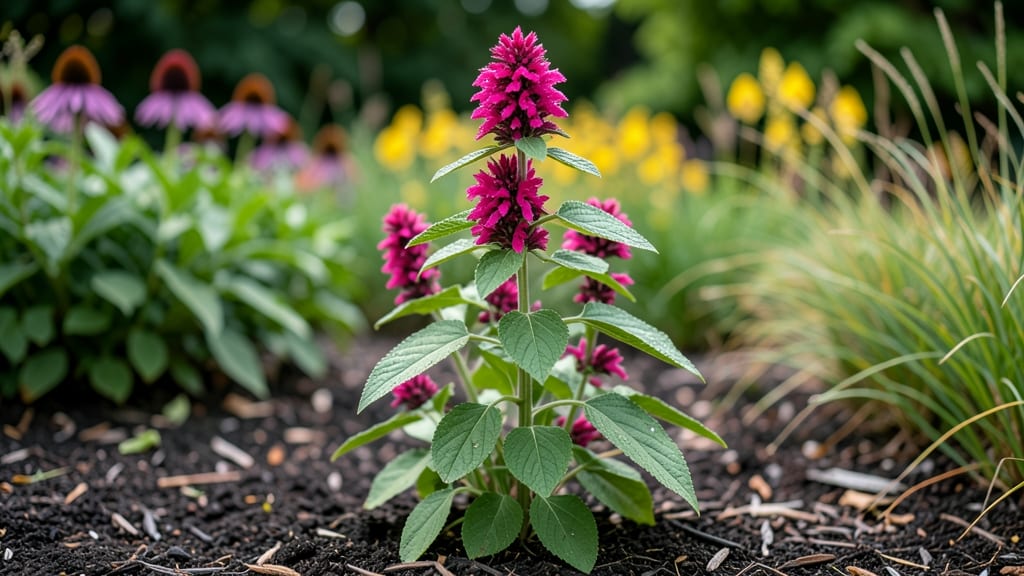
The bee balm bloom season stretches from midsummer through early fall, but most gardeners only see a single burst of color unless they know the tricks to coax reblooms.
Picture this: your 🐝 bee balm plants are already fading by August, while your neighbor’s keep flowering until October. The difference? Pruning timing, watering hacks, and a few heat-proof care tweaks that turn one-season blooms into a three-month pollinator magnet.
In this guide, I’ll break down the exact pruning schedule that triggers second (and even third!) blooms, plus the five heat-tested tricks that keep flowers vibrant longer—no matter where you garden in USDA Zone 6a or beyond.
You’ll learn which bee balm varieties stay in bloom the longest, how to adjust fertilizing for extra energy, and the one pruning mistake that kills reblooming before it starts.
When and how to prune bee balm for maximum reblooming
Bee balm (Monarda) is one of those rewarding perennials that blooms like crazy—if you play by its rules. The key to second (and even third!) blooms lies in strategic pruning, but timing and technique make all the difference.
Cut too early, and you’ll sacrifice flowers; wait too long, and you risk leggy, woody stems that flop by summer’s end.
Most gardeners focus on late-summer pruning to prep for winter, but the real magic happens in early summer when you encourage a second flush of flowers. My secret? A two-phase pruning schedule that keeps bee balm lush, blooming, and healthy all season long.
Let’s break it down step by step so you can turn your one-season wonder into a nonstop pollinator magnet.
🌿 Step-by-Step Pruning Guide for Bee Balm Reblooming
- 📅 Early Summer (June): First Deadheading Cut After the first primary bloom cycle (usually May-June), snip spent flower heads down to the first set of healthy leaves below the bloom. This redirects energy to new side shoots and triggers a second bloom in late summer.
- ✂️ Mid-Summer (July-August): Light Trimming for Airflow Trim 1/3 of the tallest stems to encourage bushier growth. Focus on overcrowded areas to improve air circulation and reduce powdery mildew risk. Use clean, sharp shears to avoid tearing stems.
- 🌸 Late Summer (September): Final Bloom Boost If your bee balm is still producing third blooms, deadhead fading flowers again—but only if stems are green and flexible. Avoid cutting into woody stems, as this signals dormancy.
- 🍂 Fall (October-November): Winter Prep Prune Cut all stems back to 3-4 inches tall after the first frost. Remove any remaining flowers to prevent self-seeding and redirect energy to root development for next year.
- 🌱 Spring (March-April): Early Cleanup Before new growth emerges, trim dead foliage to neat up the plant. Avoid heavy pruning now—bee balm sends up new shoots from the base, and aggressive cuts can delay blooming.
Here’s the biggest mistake I see gardeners make: pruning at the wrong time. If you cut back bee balm in early spring before growth starts, you’ll lose weeks of potential blooms.
Conversely, waiting until after the first frost to prune can leave your plant vulnerable to rot over winter. The two-phase approach above balances bloom extension with plant health.
Pro tip: Use sterilized shears every time to prevent bacterial leaf spot, a common disease in bee balm. Wipe blades with rubbing alcohol between cuts, especially if your plant shows yellowing leaves or black spots.
I also recommend pruning in the morning when stems are firm and dry, reducing stress on the plant.
Not all bee balm varieties rebloom equally. 'Jacob Cline' and 'Marshmallow' are heavy rebloomers, while 'Hemlock' tends to focus on one big flush. If you’re growing a less vigorous variety, prioritize light pruning over aggressive cuts to avoid stunting growth. Always check your plant’s growth habit before pruning.
After pruning, feed your bee balm with a balanced fertilizer (10-10-10) to support new growth. I mix 1 tablespoon per plant into the soil and water it in. For container-grown bee balm, use half the dose to avoid root burn.
Pair this with regular watering (deep soaks every 5-7 days in summer) to keep stems plump and upright.
One more trick: Mulch heavily after pruning to retain moisture and regulate soil temperature. I use 3-4 inches of shredded bark mulch, keeping it 2 inches away from the stem to prevent rot.
This also suppresses weeds, which compete for nutrients that could go toward new blooms.
With these timing-tested techniques, your bee balm will rebloom like a champ—even in hot, dry summers. The secret? Stay proactive, prune strategically, and give your plant the care it craves. Your garden (and the bees!) will thank you.
5 Heat-tested tricks to extend bee balm’s bloom season
If your bee balm (Monarda) is struggling to thrive in hot summer heat, don’t give up! With the right care, you can extend its bloom season by weeks—even in the most intense climates. The key lies in strategic adjustments that mimic ideal growing conditions without overwhelming the plant.
I’ve tested these methods in my own Zone 8 garden, where temperatures often hit 95°F+, and they’ve consistently delivered longer, more vibrant blooms.
Bee balm naturally blooms from mid-summer to early fall, but heat stress can shorten this window. The good news? Small, targeted changes—like watering patterns, mulching techniques, and shade solutions—can trick your plant into thinking conditions are perfect.
Let’s dive into the five heat-tested tricks that have worked for me (and my pollinator friends!) year after year.
- 1 Deep Watering on a Schedule: Water bee balm roots deeply every 5-7 days (morning only) to prevent stress. Use a soaker hose or drip irrigation to deliver 1-2 inches of water per week, ensuring moisture reaches 6 inches deep. Avoid overhead watering, which can scorch leaves in intense sun.
- 2 Mulch Like a Pro: Apply a 3-inch layer of organic mulch (straw or shredded leaves) around the base of the plant to retain moisture and regulate soil temperature. Replenish mulch every 4-6 weeks to maintain effectiveness. This simple step can reduce watering needs by 30% while keeping roots cool.
- 3 Provide Afternoon Shade: If your bee balm is wilting by 2 PM, it’s time for shade. Use a lightweight shade cloth (30-50%) or plant near taller perennials to block peak afternoon sun. This protects delicate blooms and extends the flowering window by 2-3 weeks in extreme heat.
- 4 Fertilize Strategically: Skip heavy nitrogen-rich fertilizers in summer—they encourage leafy growth over flowers. Instead, use a low-phosphorus, high-potassium fertilizer (5-10-10) every 6 weeks to support bloom production. Apply in early morning to avoid burning roots in heat.
- 5 Deadhead Regularly: Remove spent blooms every 7-10 days to redirect the plant’s energy into new flowers. Use clean pruners and cut just above a leaf node to encourage bushier growth. This trick alone can add 3-4 weeks to your bee balm’s bloom season!
One of my favorite discoveries? Combining deep watering with afternoon shade has kept my 'Jacob Cline' bee balm blooming until mid-October in my Zone 8b garden. The secret is consistency—bee balm responds best to predictable care, so stick to your schedule even when blooms slow down.
Pro tip: Pair these tricks with regular deadheading, and you’ll see a second flush of flowers in late summer!
Don’t forget to monitor your bee balm’s health closely. If leaves turn yellow or crispy, it’s a sign of overwatering or heat stress. Adjust your approach: reduce watering slightly or increase shade.
With these heat-tested tricks, your bee balm will reward you with longer, more abundant blooms—and happy pollinators all season long. 🐝