Blooming
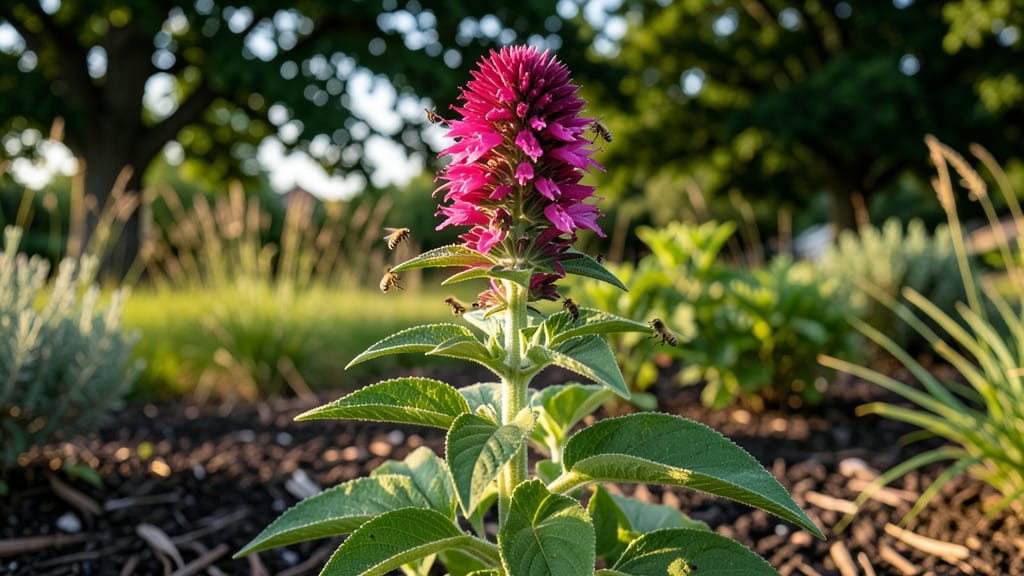
Your bee balm blooms will last June through August 🐝, but the exact timing depends on your variety and growing zone—so you can plan for a pollinator-friendly show all season.
Picture this: Jacob Cline bursting into deep red spikes by early July, while 'Zest' hits its peak in late June with a citrusy punch.
But if you're in zone 6a, a late frost could push those blooms back by weeks—meaning your garden might look like a botanical calendar instead of a lush display.
Sunlight, soil, and pruning are the real game-changers here. Too much shade and your bee balm will stretch out, delaying blooms. Skip the deadheading, and you might miss out on that second flush of flowers in August.
I’ve seen gardens where proper care extended flowering by 3-4 weeks, turning a one-month show into a two-month feast for bees and hummingbirds.
In this guide, I’ll break down bloom times by variety, how your zone affects timing, and the 5 pro tips that’ll keep your bee balm flowering longer than your neighbors’. Ready to turn your garden into a buzzing paradise?
Bee balm bloom time by variety: when & how long each type flowers
If you're dreaming of a garden buzzing with pollinators, bee balm (Monarda spp.) is your star player—but its bloom duration varies wildly by variety. Some burst into color for just 4 weeks, while others reward you with 3-month-long shows.
The secret lies in choosing the right cultivar for your USDA zone and understanding each type's natural tendencies.
For example, 'Jacob Cline', the classic red bee balm, typically blooms from mid-June to August in Zones 4–9, while 'Zest' (a lemon-scented hybrid) extends its show until early September. Reblooming varieties like 'Marshmallow' even surprise you with late-summer flushes if you deadhead faithfully.
Let’s break down the peak bloom windows and total flowering periods for 8 top varieties so you can plan your garden’s pollinator parade.
| Variety | Color | Peak Bloom (Zones 5–8) | Total Bloom Duration | Reblooms? | Notes |
|---|---|---|---|---|---|
| 'Jacob Cline' | Bright red | Mid-June to July | 6–8 weeks | No (unless deadheaded) | Classic, hummingbird magnet |
| 'Zest' | Lavender-pink | Late June to August | 8–10 weeks | Yes (light) | Lemon-scented, attracts bees |
| 'Marshmallow' | Soft pink | July to early September | 10–12 weeks | Yes (with care) | Fluffy blooms, great for bouquets |
| 'Fire Watch' | Scarlet-red | Early July to August | 6–7 weeks | No | Drought-tolerant, heat-loving |
| 'Coral Reef' | Coral-pink | Late June to September | 12–14 weeks | Yes (vigorous) | Longest bloomer, deer-resistant |
| 'Blue Stocking' | Lavender-blue | July to August | 5–6 weeks | No | Unique color, mildew-resistant |
| 'First Clown' | White with red centers | Early June to July | 4–5 weeks | No | Early bloomer, great for cut flowers |
| 'Mohawk' | Deep purple | Late June to August | 7–8 weeks | Yes (moderate) | Tallest variety (4 ft), bold color |
Notice how 'Coral Reef' and 'Marshmallow' dominate the longest bloom duration list? That’s because they’re bred for extended flowering, while 'First Clown' prioritizes early-season color. For Zones 9–10, expect blooms to start 2–4 weeks earlier (e.g., 'Jacob Cline' may bloom in late May instead of June).
In cooler Zones 3–4, some varieties like 'Fire Watch' might wait until July.
Pro tip: If you want continuous blooms from June to frost, mix early ('First Clown'), mid ('Zest'), and late ('Coral Reef') varieties. Plant
How growing zones affect bee balm bloom time & seasonal adjustments
Your USDA growing zone plays a crucial role in determining when your bee balm (Monarda spp.) blooms and how long those vibrant flowers will last. In cooler zones like 3-5, expect shorter bloom seasons, while warmer zones 8-10 enjoy extended flowering.
These differences aren't just about timing—they also affect frost sensitivity and seasonal care needs.
In zones 6-7, the most common range for bee balm, you'll typically see blooms from mid-June through August, with some varieties offering sporadic reblooms into early fall.
However, gardeners in zone 4 might see delayed blooms until late June or July, while those in zone 9 could enjoy flowers from May through October with proper care.
| Zone | Typical Bloom Time | Frost Sensitivity | Seasonal Strategy |
|---|---|---|---|
| 3-4 | Late June - July | High | Heavy mulch, late planting |
| 5-6 | Mid-June - August | Moderate | Deadhead regularly |
| 7-8 | June - September | Low | Staggered planting |
| 9-10 | May - October | None | Minimal winter care |
For gardeners in zones 3-5, early spring planting is key to avoid late frosts that can damage emerging plants. I recommend using black plastic mulch to warm the soil faster and protect roots.
In these cooler zones, 'Jacob Cline' and 'Purple Haze' varieties tend to perform best due to their hardiness.
In warmer zones like 8-10, bee balm thrives with minimal winter care, but you can extend blooms even further by practicing staggered planting. Plant one batch in early spring and another in late summer to create a continuous display.
This works especially well with 'Fire Watch' and 'Zest' varieties, which are heat-tolerant.
Regardless of your zone, deadheading spent blooms is the single most effective way to prolong flowering. In cooler zones, this encourages new growth before frost sets in, while in warmer zones, it prevents the plant from focusing energy on seed production.
Pair this with light fertilizing every 4-6 weeks during the growing season to keep your bee balm vigorous and blooming.
One final tip: In zones 6-7, where early fall frosts are common, consider planting bee balm near shrubs or trees that provide some wind protection. This microclimate can extend your bloom season by 2-3 weeks by delaying frost damage to the foliage.
The extra protection also helps maintain those pollinator-friendly blooms later into the season when bees need them most.