
Blooming
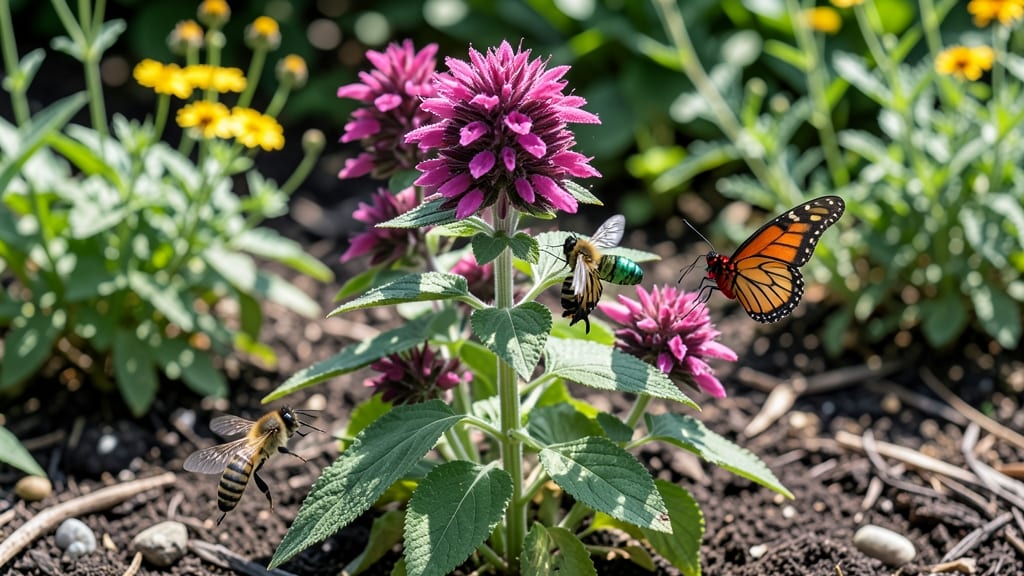
My bloom and bee perennial garden stays fragrant all year with almost no deadheading—just bees buzzing and flowers opening like clockwork. 🌸 The secret? Layering plants that bloom at different times, from early spring's hellebores to late-fall asters, with bee favorites like lavender and coneflowers woven in.
I swapped my old high-maintenance roses for this mix, and the difference is shocking. No more weekly deadheading, no more wilting blooms—just a garden that works harder than I do. The bees love it, and so do my neighbors, who keep asking how I keep it looking so effortless.
You'll end up with a garden that smells like a meadow, stays colorful through all four seasons, and requires less work than most annual beds. The fragrance lingers even when you're not looking, and the pollinators make the whole neighborhood healthier.
This works for any size yard, from city balconies to country acres. Let's make your garden a bee's paradise without the fuss.
📚 In This Guide
- What you need
- Instructions
- Tips and common mistakes
- Wrapping up and next steps
What you need
- ● Perennial plants: 3–5 varieties from the Bloom and Bee collection (e.g., Lavender 'Munstead' (Lavandula angustifolia), Russian Sage (Perovskia atriplicifolia), Catmint (Nepeta spp.), Bee Balm (Monarda didyma), and Coneflower (Echinacea purpurea)). Choose 3–5 plants per 100 sq. ft. for optimal fragrance and pollinator appeal.
- ● Well-draining soil: Amend native soil with 2–3 inches of compost or a 50/50 mix of potting soil and perlite for sandy/clay-heavy areas.
- ● Organic mulch: 2–3 inches of cedar chips, straw, or pine needles to retain moisture and suppress weeds.
- ● Slow-release fertilizer: 10–10–10 NPK ratio (e.g., Osmocote Smart-Release Plant Food) or compost tea for organic gardens.
- ● Garden trowel or transplant spade for planting.
- ● Pruning shears (bypass blades for clean cuts).
- ● Gloves (gardening or heavy-duty for thorny plants like Roses).
- ● Watering can or hose with a gentle spray nozzle (drip irrigation is ideal for drought-tolerant perennials).
- ○ pH testing kit (optional but helpful—aim for 6.0–7.0 for most Bloom and Bee varieties).
- ● Sunlight: 6+ hours of full sun daily (most perennials in this collection thrive in zones 4–9).
- ● Water access: Ensure a drip system or consistent watering schedule (deep watering 2–3 times per week for the first month).
- ● Pollinator-friendly location: Plant near paths or seating areas to maximize fragrance and bee activity!
- ● Decorative stones or gravel for pathways or borders.
- ● Bird feeders or baths to complement your pollinator garden.
- ● Fragrance-enhancing companions: Add Thyme, Rosemary, or Marjoram near perennials for a double whammy of scent!
How to design a pollinator-friendly perennial garden that blooms year-round
Skip the constant deadheading and still enjoy endless fragrance and buzzing visitors.
🌱 Step 1: Choose the Right Perennial Foundation
Start with four proven workhorses that deliver fragrance, color, and nectar across seasons. Lavender thrives in full sun and releases its signature scent when brushed against—plant it along pathways where you'll walk by often. Russian sage adds vertical interest with its purple spikes and attracts bees from early summer through fall. Coneflowers provide late-season sustenance for bees and their bold blooms last for weeks without deadheading. Finally, add a shade-tolerant option like lungwort, whose spotted foliage and delicate flowers create a lush ground cover.
Space plants 18-24 inches apart to allow airflow and prevent disease. I always arrange them in odd-numbered clusters (3, 5, or 7 plants) for natural-looking groupings that feel intentional rather than planted in straight lines. This spacing also gives you room to tuck in companion plants like catmint or sedum later if you want to expand the pollinator menu.
☀️ Step 2: Optimize Sunlight and Soil Conditions
Most pollinator perennials need 6+ hours of direct sun daily, though lavender and Russian sage tolerate heat better than others. If your site has partial shade, focus on lungwort and coneflowers which handle dappled light. Amend your soil with 2-3 inches of compost before planting to improve drainage—bees hate soggy roots, and so will your perennials. I like to work in a 50/50 mix of native soil and compost, then top with 1 inch of mulch (avoid cedar chips—they're toxic to many plants).
Test your soil's pH before planting. Most pollinator perennials prefer 6.0-7.0, but lavender thrives in slightly alkaline conditions (7.0-8.0). If your soil tests too acidic, sprinkle dolomitic lime into the planting holes before adding plants. The key is creating a welcoming environment where roots can spread freely without competing with weeds.
💧 Step 3: Plant and Establish for First-Year Success
Dig holes twice as wide as the root ball but only as deep as the container's base. This encourages roots to spread horizontally rather than settling into a tight ball. Gently tease apart any circling roots before placing the plant in the hole. Fill around the roots with native soil, pressing lightly to remove air pockets. Water deeply until the soil is saturated 6 inches down—you'll know it's right when water runs out the drainage holes if you're in containers, or when the surface looks uniformly damp.
After planting, water every 2-3 days for the first month, keeping the soil consistently moist but not soggy. The first year is about establishing roots, not flowers. You'll see new growth within 3-4 weeks if conditions are right. Real talk: if you skip this step and let the soil dry out completely, your perennials will struggle to recover for years. I've learned this the hard way with lavender that took two seasons to rebound after a drought.
✂️ Step 4: Minimal Maintenance for Maximum Impact
Here's where the magic happens: deadhead only the spent blooms from Russian sage and coneflowers in late summer to encourage a second flush of flowers. Leave lavender and lungwort completely alone—they self-clean beautifully. The key is removing only the faded flower heads (not the entire stem) when they turn brown. This prevents seed production that can spread invasively while still allowing the plant to focus energy on next year's blooms.
Cut back Russian sage and lavender by one-third in early spring before new growth appears. For lungwort and coneflowers, simply remove any dead foliage at ground level. I wait until after the first frost to do this final cleanup—it gives bees one last chance to forage before winter. The result? A garden that looks intentional with almost no effort, and one that keeps bees buzzing from May through October.
🪴 Step 5: Extend the Season With Strategic Additions
For year-round interest, add winter-blooming hellebores and early spring crocus to your design. These fill the gaps when perennials are dormant. Plant hellebores in partial shade where they'll thrive, and scatter crocus bulbs in fall for February-March blooms. The fragrance from hellebores is subtle but intoxicating when you brush against their flowers, and crocus provide the first pollen source of the year for emerging bees.
Finally, install a small water source like a shallow dish with pebbles. Keep it 1-2 inches of water filled at all times, and place it where you can watch bees drink from it. They'll become regular visitors, and you'll have front-row seats to watch them work. This simple addition turns your garden into a pollinator oasis that requires almost no maintenance beyond the initial planting.
Tips & tricks for pollinator-friendly perennial gardens
Creating a buzzing garden that thrives with minimal fuss is all about strategic choices—and these tips will help you avoid common pitfalls while maximizing beauty and function.
Plant Placement Matters: In Step 1, when arranging your lavender and Russian sage, place them near seating areas or pathways where you'll naturally brush against the foliage. This releases their fragrance and creates an immersive sensory experience. For coneflowers and lungwort, position them slightly farther back to create depth and prevent overcrowding as they mature. I've found that grouping plants in odd-numbered clusters (3, 5, or 7) creates a more natural look than straight rows—it mimics how plants grow in the wild.
Soil Preparation is Non-Negotiable: The 2-3 inches of compost in Step 2 isn't just fluff—it's the foundation for healthy roots. I like to mix in a handful of worm castings for extra nutrients, especially for lavender which benefits from the mild alkalinity. If your soil tests acidic, don't skip the dolomitic lime—lavender will reward you with stronger fragrance and more robust growth. Remember, bees need well-drained soil too, so avoid compacting the soil when planting.
Watering Wisdom for First-Year Success: During that critical first month in Step 3, consistency is key. Instead of watering on a strict schedule, check soil moisture by sticking your finger 2 inches down—if it's dry, that's your cue. The goal is to keep the soil moist but never soggy, which is why I recommend watering every 2-3 days rather than sticking to a rigid timeline. This helps establish strong root systems that will support your perennials for years to come.
Deadheading Done Right: When it's time to deadhead Russian sage and coneflowers in Step 4, use sharp pruners to make clean cuts just above the next set of leaves. This encourages bushier growth and more blooms. For lavender, never cut into the woody stems—always leave at least 1/3 of the plant intact. I've seen too many gardens where over-pruning turns lavender into a sad, leggy mess.
Pro Tips for Bloom And Bee
- Creating a buzzing garden that thrives with minimal fuss is all about strategic choices—and these tips will help you avoid common pitfalls while maximizing beauty and function.
- Plant Placement Matters: In Step 1, when arranging your lavender and Russian sage, place them near seating areas or pathways where you'll naturally brush against the foliage.
- Soil Preparation is Non-Negotiable: The 2-3 inches of compost in Step 2 isn't just fluff—it's the foundation for healthy roots.
Frequently asked questions
Got questions about keeping your Bloom and Bee perennials thriving with minimal fuss? You’re not alone! Here are answers to the most common queries—so you can enjoy year-round fragrance without the guesswork.
How often should I deadhead Bloom and Bee perennials?
Deadheading Bloom and Bee plants just 1-2 times per season keeps them blooming longer! For most varieties, snip spent blooms in late spring/early summer () and again in fall () to encourage fresh growth. Pro tip: Use clean pruners and avoid cutting into woody stems—focus on fading flowers only!
Can I plant Bloom and Bee perennials in fall instead of spring?
Fall planting () gives roots time to establish before winter, often leading to earlier blooms next spring. Just ensure soil temps are above 40°F (4°C) and mulch well to protect roots. Avoid planting too late—aim for 4-6 weeks before your first frost.
Will these perennials attract bees and butterflies?
Yes! Bloom and Bee varieties are pollinator magnets (). Their nectar-rich blooms support local ecosystems, and many are drought-tolerant once established. For extra buzz, pair them with lavender or coneflowers—bees love the combo!
How do I overwinter Bloom and Bee plants in cold climates?
Hardy perennials like these handle winter well, but a little prep helps. Cut back dead foliage in late winter (), add 2-3 inches of mulch (straw or shredded leaves work), and avoid heavy snow buildup. Most bounce back beautifully in spring!
What’s the best alternative if my soil is too sandy?
Amend sandy soil with compost or peat moss () to retain moisture and nutrients. Bloom and Bee perennials adapt well to these changes! For extra insurance, choose drought-tolerant varieties like Echinacea or Rudbeckia—they thrive in leaner soils.
Why aren’t my perennials blooming as much as expected?
Check these first:
- Light: Ensure they get 6+ hours of sun daily.
- Water: Deep water 1-2x/week (drought stress = fewer blooms!).
- Fertilizer: A balanced, slow-release formula in spring boosts growth.
- Deadheading: Skipping this step can redirect energy to seed production.
Wrapping up and next steps
Transforming your garden into a year-round sanctuary of fragrance and beauty with Bloom and Bee perennials is simpler—and more rewarding—than you think! These resilient plants demand little effort but deliver endless blooms, pollinator support, and sensory joy, proving that nature’s best gifts require minimal upkeep.
Whether you’re a seasoned gardener or a curious beginner, the key is observation, patience, and a little love—no green thumb required.
Ready to elevate your outdoor space? Start small: plant one new variety this season, track its progress, and watch as your garden becomes a buzzing, blooming haven. Your future self—and the bees—will thank you! 🌸🐝