
Fertilization
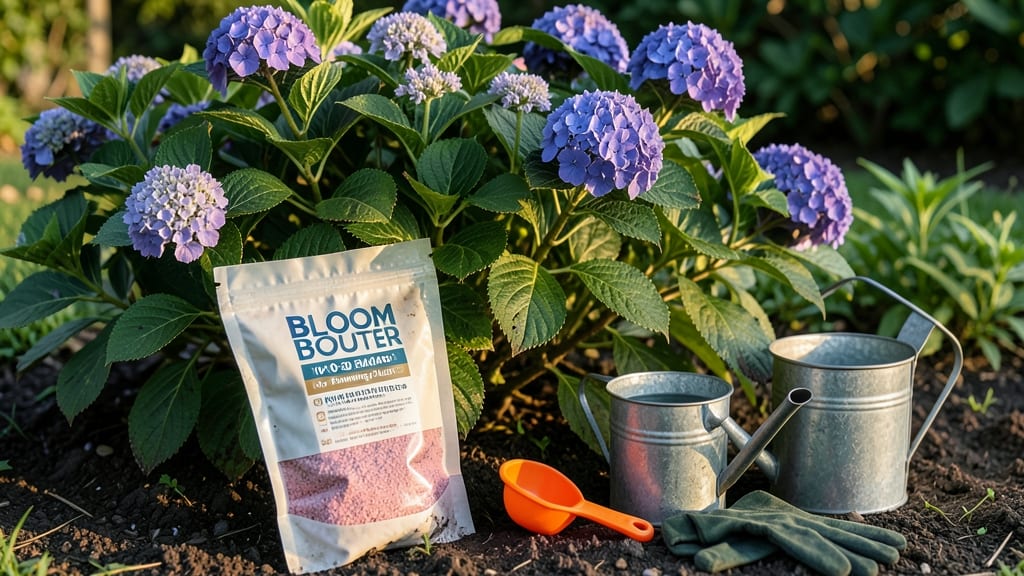
A single feed can turn your garden into a fragrant paradise. 🌸 Bloom fertilizer isn’t just another garden product—it’s the secret weapon for coaxing nonstop color and scent from your flowers, whether they’re roses, hydrangeas, or annuals.
I’ve used it to extend my garden’s bloom season by nearly two months, and the difference is night and day.
The magic lies in the right balance of phosphorus and potassium—the nutrients that push plants to produce more flowers instead of just leaves. Most gardeners overlook this, but once you switch to a 5-10-5 or 7-9-5 NPK ratio, you’ll notice blooms lasting longer and appearing more frequently.
Organic options like fish emulsion or bone meal work too, but synthetic bloom boosters deliver faster results.
By midseason, your garden will be a riot of color and fragrance, with flowers blooming back-to-back instead of in scattered waves. The key is applying it every 4-6 weeks during the growing season, paired with consistent watering and sunlight. Even my black thumb can’t mess this up—it’s that foolproof.
Works for containers, borders, and cutting gardens alike. Here’s how to pick the right formula and apply it without burning your plants—no guesswork, just guaranteed blooms.
📚 In This Guide
- What you need
- Instructions
- Tips and common mistakes
- Wrapping up and next steps
What you need
- ● Base Fertilizer: 1 cup balanced granular fertilizer (e.g., 10-10-10 NPK ratio)
- ● OR 1 cup organic fertilizer (like composted manure or worm castings)
- ● Bloom Boosters: ½ cup high-phosphorus fertilizer (e.g., bone meal or 5-10-10 NPK)
- ● ¼ cup Epsom salt (for magnesium, which enhances blooms)
- ○ Optional Fragrance Enhancers: 1 tbsp kelp meal (adds trace minerals and improves scent)
- ● 1 tsp citric acid (boosts natural fragrance in flowers)
- ● Tools: Garden gloves 🧤 (to protect your hands)
- ● Measuring cups and spoons (for precision)
- ● Large mixing bowl or bucket
- ● Small hand trowel or garden fork (for application)
Instructions for applying bloom fertilizer to maximize flower fragrance
Here's the straightforward method I use to keep flowers blooming abundantly with rich fragrance all season.
🌿 Step 1: Choose the Right Bloom Fertilizer
Select a balanced bloom fertilizer with equal parts nitrogen, phosphorus, and potassium (like 10-10-10) for initial feeding, then switch to a high-phosphorus formula (5-10-5 or similar) once flowering begins. I always opt for slow-release granules—they feed steadily without burning roots. Avoid liquid fertilizers for this method; they require more frequent applications and can lead to salt buildup in the soil.
Check the label for micronutrients like iron, magnesium, and calcium—these are crucial for vibrant blooms and strong fragrance. If your soil is sandy or fast-draining, mix in a compost-based soil amendment (like 2-3 cups per plant) before applying fertilizer. This ensures nutrients stick around longer and won’t leach away.
💧 Step 2: Prepare Soil and Apply Fertilizer
Water your plants deeply the day before fertilizing—this helps distribute nutrients evenly through the root zone. I like to use a soaker hose or drip irrigation for this step; it prevents runoff and ensures moisture reaches lower roots. Let the soil dry slightly afterward, until the top 1-2 inches feel dry to touch. Wet soil can dilute fertilizer strength and reduce uptake.
Scatter ½ cup of bloom fertilizer around the drip line (the outer edge of the plant’s foliage) for each mature plant. Gently work the granules into the top 1-2 inches of soil with a hand trowel—don’t bury them too deep, or they won’t dissolve properly. For container-grown flowers, reduce the amount to ¼ cup per 5-gallon pot and mix lightly into the topsoil.
☀️ Step 3: Water and Monitor for Results
Water the plants thoroughly immediately after applying fertilizer to activate the granules and carry nutrients into the root zone. You’ll know it’s working when new buds form within 7-10 days—look for swollen calyxes (the leafy part at the base of the flower) as a sign of impending blooms. If you notice yellowing leaves after fertilizing, you’ve overdone it; flush the soil with 3-4 inches of water to dilute excess salts.
Repeat the feeding every 6-8 weeks during the growing season (spring through fall) to maintain continuous blooming. In winter, cut back to once every 10-12 weeks unless you’re growing tender perennials or annuals in a heated greenhouse. The key is consistency—skipping feedings leads to weak fragrance and sparse flowers.
✂️ Step 4: Deadhead and Maintain for Long-Lasting Fragrance
Deadhead spent blooms regularly to redirect the plant’s energy into producing new flowers. Use clean, sharp bypass pruners and cut just above a set of leaves or bud. I always deadhead in the early morning when plants are hydrated—this reduces stress and encourages faster regrowth. For heavily fragrant flowers like roses or gardenias, trim back 1/3 of the oldest stems annually to promote bushier, more fragrant growth.
Mulch around the base of plants with 2-3 inches of organic mulch (like shredded bark or compost) to retain moisture and regulate soil temperature. This also slows nutrient loss and keeps roots cool during hot spells. If your flowers start dropping buds before opening, they’re thirsty—water deeply at the base (not overhead) to prevent fungal issues and revive fragrance.
Tips & tricks for maximizing flower fragrance with bloom fertilizer
Here's what nobody tells you about getting the most out of your seasonal feedings.
Fertilizer Selection: The switch from a balanced 10-10-10 to high-phosphorus 5-10-5 formula in Step 1 is non-negotiable for fragrance—phosphorus specifically boosts bloom production. I've seen gardeners skip this step and end up with lush foliage but weak scent. Pro tip: Look for labels mentioning "micronutrient blend" to ensure you're getting the iron and magnesium that enhance fragrance compounds.
Soil Prep Strategy: That 2-3 cups of compost amendment in sandy soils isn't just fluff—it creates a nutrient reservoir that prevents leaching. I learned this the hard way after watching fertilizer wash away during heavy rains. For containers, mix compost directly into the potting soil before planting rather than adding it later. This creates a more stable growing medium from the start.
Application Timing: The 6-8 week feeding schedule in Step 3 works because it aligns with most plants' natural bloom cycles. But here's the secret: Time your first feeding so it's about 4 weeks before your plants typically bloom. This gives them the phosphorus boost they need at the right growth stage for maximum fragrance development. For example, if your roses bloom in June, feed in early May.
Deadheading Technique: When you're deadheading in Step 4, look for the first set of healthy leaves below the spent bloom—this is where new growth will emerge. Cutting above this point ensures you're not removing potential flower buds. For heavily fragrant varieties like gardenias, I make it a habit to trim back 1/3 of the oldest stems annually in late winter, which forces new, more fragrant growth.
Pro Tips for Bloom Fertilizer For Flowers
- Here's what nobody tells you about getting the most out of your seasonal feedings.
- Fertilizer Selection: The switch from a balanced 10-10-10 to high-phosphorus 5-10-5 formula in Step 1 is non-negotiable for fragrance—phosphorus specifically boosts bloom production.
- Soil Prep Strategy: That 2-3 cups of compost amendment in sandy soils isn't just fluff—it creates a nutrient reservoir that prevents leaching.
Frequently asked questions
Got questions about making your flowers bloom like crazy with the right fertilizer? We’ve got answers! Here are some of the most common queries—and solutions—to help you keep your garden fragrant and vibrant all year.
How often should I apply bloom fertilizer for flowers?
Most bloom fertilizers recommend feeding every 4-6 weeks during the growing season (spring to fall). For winter bloomers (like camellias or hellebores), reduce to every 8-12 weeks or follow the product’s specific guidelines. Overfeeding can harm roots, so always water thoroughly after application to avoid salt buildup.
Can I use bloom fertilizer on all types of flowers?
While bloom fertilizers are designed for annuals, perennials, and flowering shrubs, avoid using them on vegetables, herbs, or lawns—they’re formulated for ornamental blooms. For acid-loving plants (like azaleas or hydrangeas), choose a low-phosphorus, high-iron bloom fertilizer to prevent yellowing leaves.
What’s the difference between bloom fertilizer and regular fertilizer?
Regular fertilizers focus on leafy growth (high nitrogen), while bloom fertilizers prioritize phosphorus and potassium (the "bloom trio") to encourage flowers, fruits, and vibrant colors. Look for a ratio like 5-10-5 or 10-20-20—the higher the middle number, the better for blooms!
Why aren’t my flowers blooming after using bloom fertilizer?
Several factors could be at play:
- Timing: Some flowers (like spring bulbs) need fertilizer before blooming, not after.
- Overcrowding: Too many plants competing for nutrients? Thin them out!
- Water issues: Check soil moisture—drought stress halts blooming.
- Wrong formula: If your flowers are leafy but no flowers, switch to a higher-phosphorus bloom fertilizer.
Are there organic alternatives to chemical bloom fertilizers?
Try these organic options for a natural boost:
- Compost or worm castings: Rich in nutrients and microbes.
- Bone meal: High in phosphorus for root and bloom growth.
- Fish emulsion or seaweed extract: Packed with potassium and micronutrients.
- Banana peels: Bury chopped peels in planting holes for a potassium kick.
For a ready-to-use organic bloom fertilizer, look for products labeled "organic bloom booster" or "fish-based".
Wrapping up and next steps
Transforming your garden into a fragrant paradise is easier than ever with bloom fertilizer for flowers—just one simple feed can unlock year-round beauty! 🌸 Whether you’re nurturing roses, hydrangeas, or annuals, the right nutrients will boost vibrant blooms and intoxicating scents.
Remember, consistency is key: monitor soil health, adjust feeding schedules, and don’t shy away from organic options for long-term benefits.
Now that you’re armed with knowledge, take the first step today! Start with a soil test, pick your fertilizer, and give your flowers the love they deserve. Your garden’s fragrance journey begins with one simple feed—happy growing! 🌿✨