
Blooming
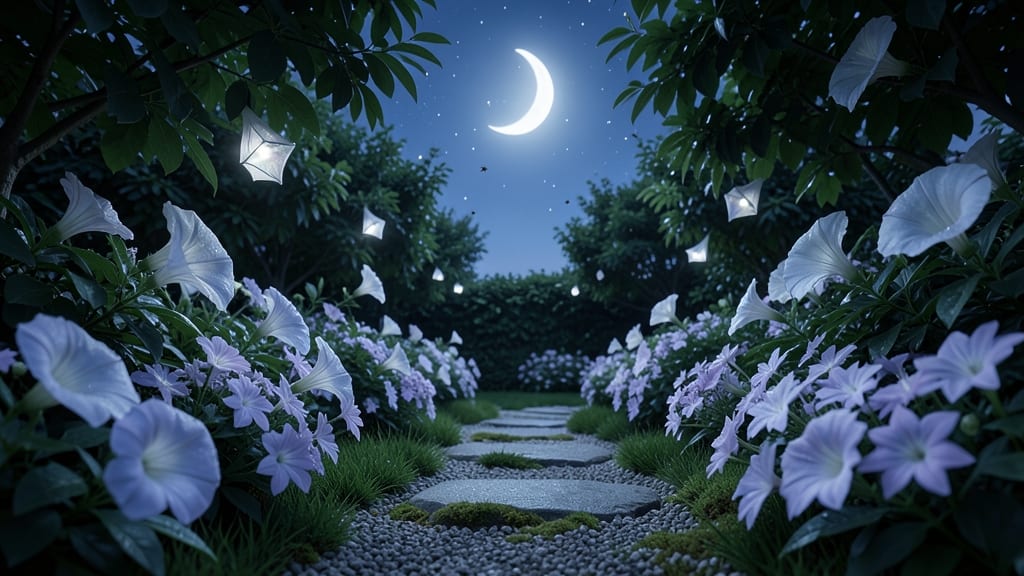
Spring isn’t just a season—it’s a canvas waiting for your gardening magic. These 10 seasonal planting hacks will transform your outdoor space into a vibrant, year-round paradise with minimal effort and maximum impact.
Layered Bulb Planting for Early Spring Color
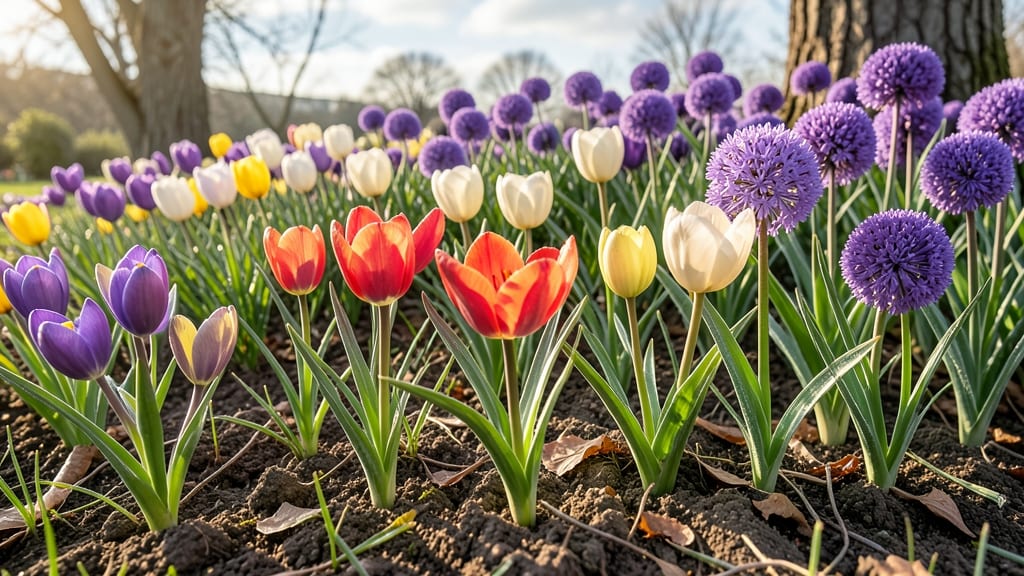
Tired of waiting until summer for color? Layered bulb planting brings a magical cascade of blooms from late winter through early spring, proving that patience pays off in vibrant petals. This technique layers bulbs of varying heights and bloom times to create a continuous show that starts with early snowdrops and ends with late-blooming alliums.
Start by planting taller bulbs like alliums or tulips at the back, followed by mid-height daffodils or hyacinths, and finish with low-growing crocuses or grape hyacinths in the front. Most bulbs thrive in full sun to partial shade and require minimal care—just water occasionally and fertilize lightly in fall. Choose bulbs with staggered bloom times for a seamless transition from winter to spring.
This hack is perfect for beginners or busy gardeners who want low-maintenance color without the fuss of annuals. Plus, it works beautifully in containers or garden beds, making it versatile for any space. 🌷
Succulent Terrariums for Low-Maintenance Greenery
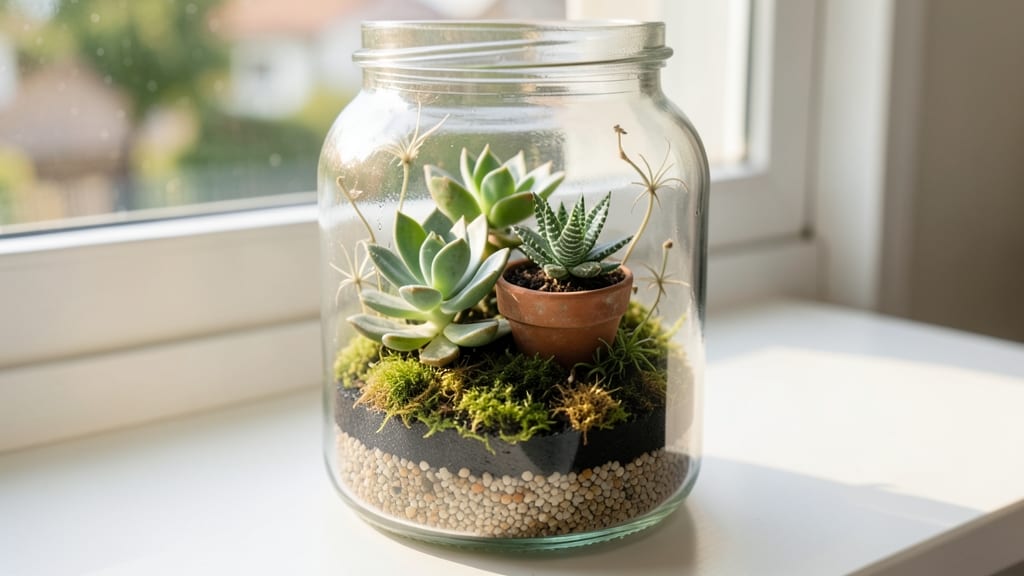
Tired of plants that demand constant attention? Succulent terrariums are the ultimate solution for urban gardeners and busy homeowners who crave greenery without the upkeep. These self-contained ecosystems thrive on neglect, making them perfect for windowsills, offices, or even sunny balconies.
Start with a clear glass container, a layer of pebbles for drainage, and a mix of echeveria, sedum, or haworthia—all drought-tolerant varieties. Place a sprinkle of activated charcoal at the bottom to keep water fresh, and you’re set. Water just once every 2-3 weeks (or less), and watch them flourish in indirect sunlight. The enclosed environment creates humidity, so you’ll rarely need to mist.
These terrariums add year-round texture to any space, whether indoors or on a patio. They’re ideal for beginners, small apartments, or anyone who wants to bring nature home without the hassle. 🌱
Edible Flower Garden for Culinary Delights
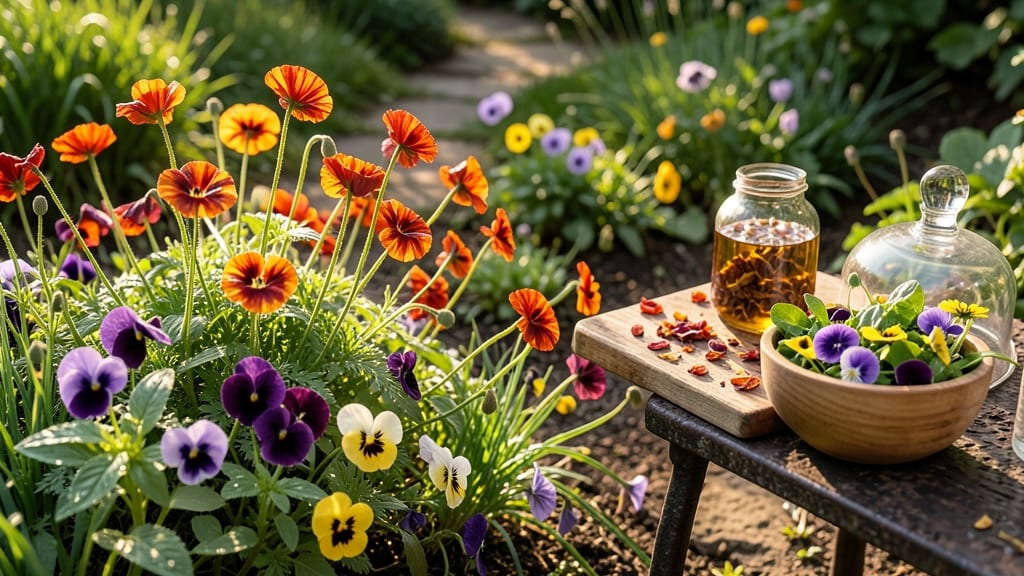
Why settle for ordinary flowers when your garden can be a culinary masterpiece? An edible flower garden transforms your spring blooms into vibrant garnishes, flavorful teas, and fresh salad toppings—all while keeping your yard stunning.
Start with nasturtiums (peppery, tangy petals), pansies (sweet, mild flavor), and borage (cucumber-like leaves and blue flowers). These thrive in full sun to partial shade and bloom prolifically from spring to frost. Plant them in containers near your kitchen or along pathways for easy harvesting—just rinse petals gently before using. They attract pollinators too, making your garden both beautiful and functional.
This hack is perfect for urban gardeners, herb lovers, and foodies who want to grow something edible without sacrificing beauty. Plus, kids adore picking flowers for meals! 🌻
Vertical Herb Garden for Small Spaces
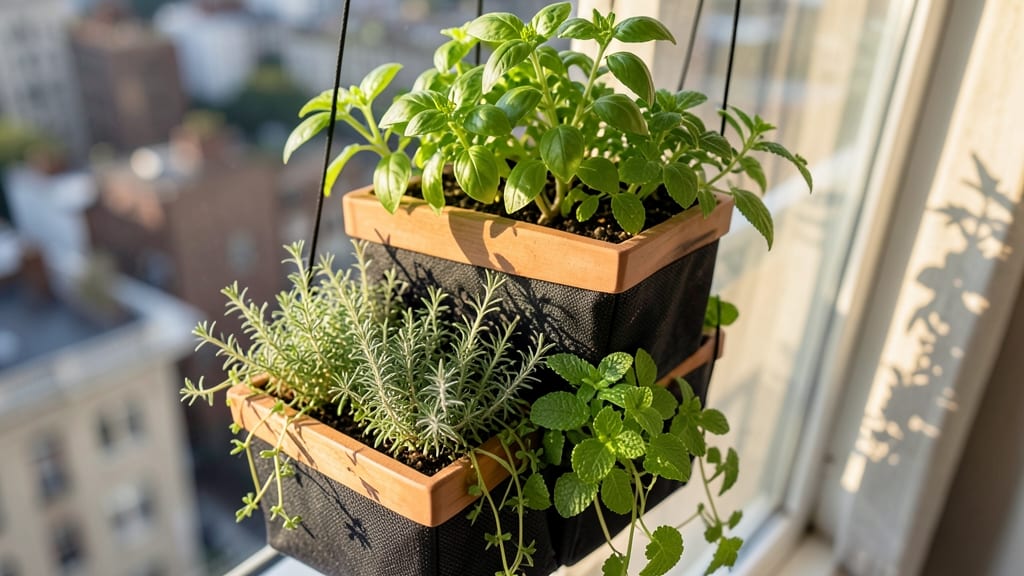
Turn your tiny balcony or windowsill into a fragrant, functional oasis with a vertical herb garden—no yard required! This space-saving solution lets you grow basil, thyme, and mint in stacked pockets or hanging planters, perfect for urban dwellers or small-space gardeners.
Start by choosing a sunny spot (most herbs need 6+ hours of light daily) and use lightweight materials like fabric pockets or modular shelves. Thyme thrives in drought conditions, while mint spreads aggressively—contain it in its own pot! Water when the top inch of soil feels dry, and fertilize lightly every 4-6 weeks. Harvest leaves regularly to encourage bushier growth.
This hack is ideal for renters, balcony gardeners, or anyone craving fresh herbs without the footprint. Plus, the aromatic foliage doubles as natural pest control for nearby plants. 🌱
Seasonal Container Mixes for Balconies
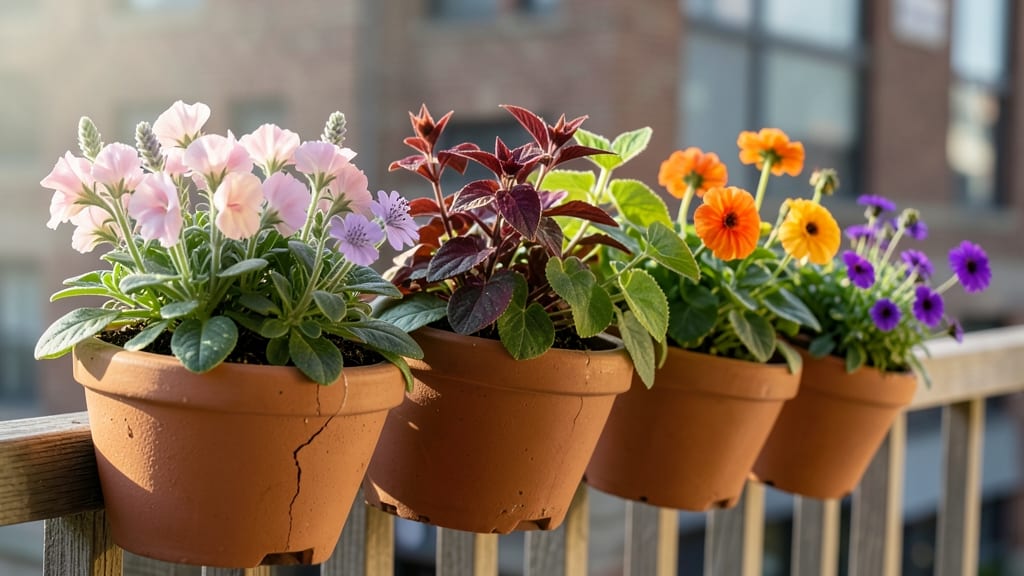
Tired of last year’s tired container plants? Seasonal swaps are the secret to making your balcony bloom into spring with zero effort. Instead of struggling with one container all year, simply rotate plants every 3 months to keep colors fresh and vibrant—no replanting required.
Start with spring’s standout trio: pansies (cool-weather toughies in purple, yellow, or blue), sweet peas (fragrant climbers that spill beautifully), and violas (shade-tolerant charmers). Pair them with trailing sweet potato vine for texture, and use a well-draining potting mix with slow-release fertilizer. Water when the top inch feels dry, and watch your balcony transform into a pollinator paradise by April.
This hack is perfect for renters, small-space gardeners, or anyone who wants instant curb appeal without the long-term commitment. Just swap out faded blooms for summer’s sun-loving geraniums or fall’s fiery mums—your balcony will always look intentional. 🌷
Pollinator-Friendly Native Wildflowers
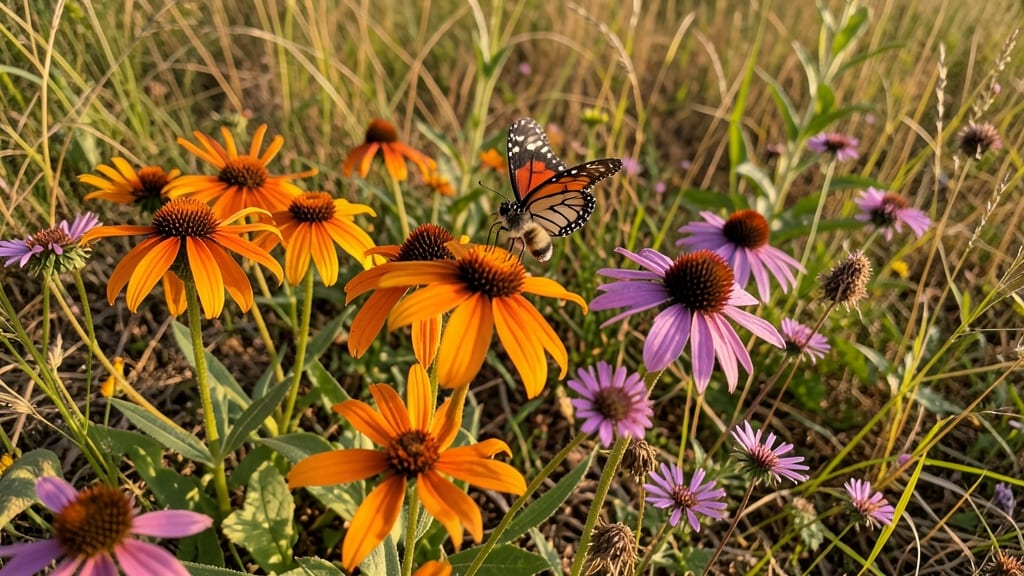
Skip the pesticides and let nature do the work—native wildflowers like coneflowers and black-eyed Susans create a buzzing, colorful garden while supporting local ecosystems. These hardy plants thrive with minimal care and attract pollinators that keep your garden—and the planet—healthy.
Start by selecting wildflowers native to your region, as they’ll adapt effortlessly to your soil and climate. Plant them in clusters for maximum impact, and watch as bees, butterflies, and hummingbirds flock to your garden within weeks. No fertilizers or chemicals are needed—just water occasionally and enjoy the year-round beauty and biodiversity.
Perfect for eco-conscious gardeners, these wildflowers are also low-maintenance, making them ideal for beginners or busy homeowners who want to make a difference without extra effort. 🌻
Hanging Basket Orchids for Year-Round Bloom
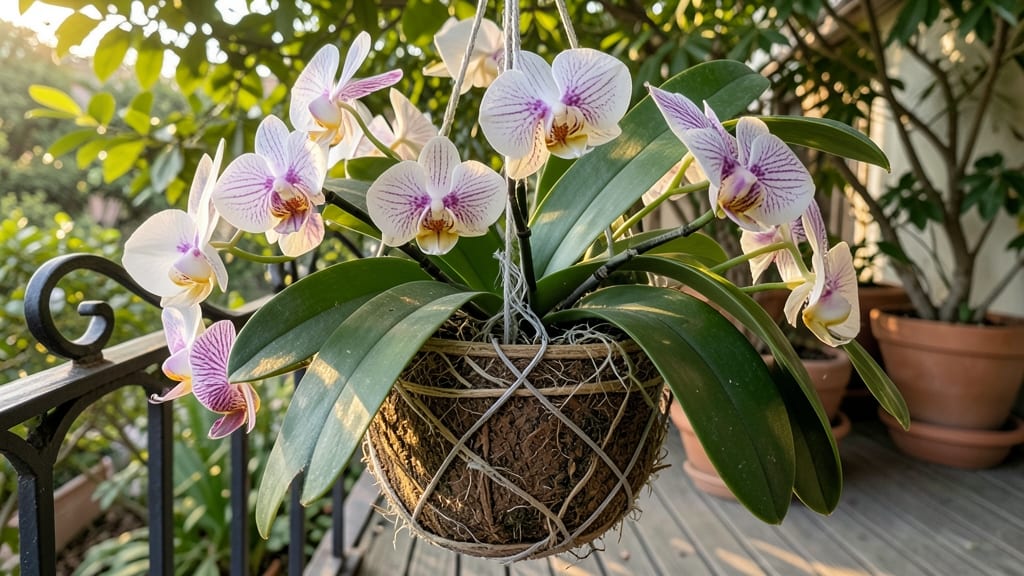
Skip the high-maintenance greenhouse—moth orchids and jewel orchids thrive in hanging baskets with just partial shade and occasional care. These tropical beauties bloom year-round when given the right conditions, making them perfect for porches, patios, or shaded balconies.
Start with a well-draining orchid mix and a basket with drainage holes. Water when the top inch of soil feels dry, and fertilize monthly with a balanced orchid food during blooming season. Prune spent blooms to encourage reblooming, and mist leaves occasionally to mimic humidity. With these simple steps, you’ll enjoy vibrant blooms from spring through winter.
Perfect for beginners or busy gardeners, these orchids bring lush, exotic beauty without the fuss of full-sun perennials. 🌿
Cold-Hardy Annuals for Extended Spring Color
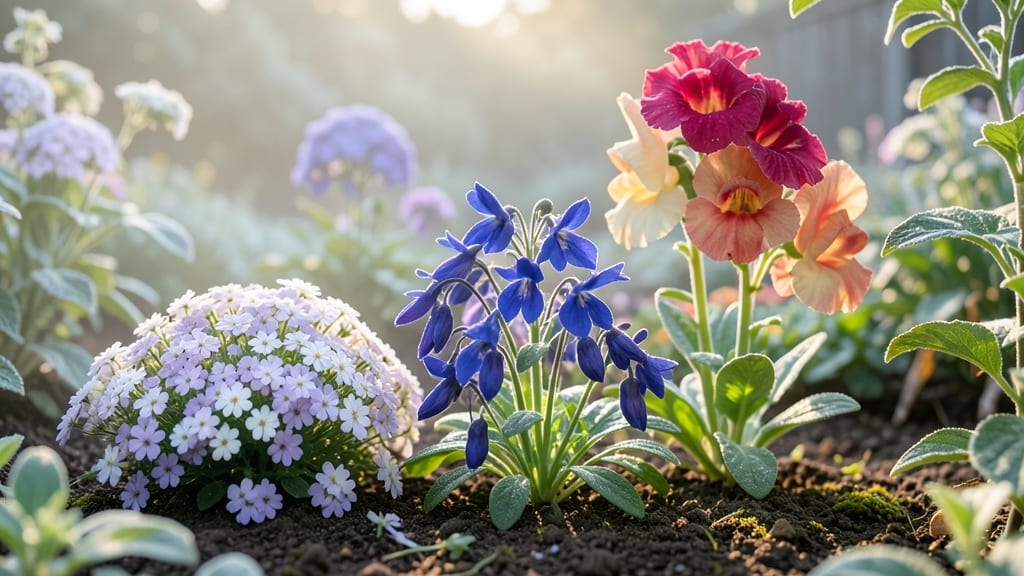
Tired of waiting for summer heat to trigger blooms? Cold-hardy annuals like sweet alyssum, lobelia, and snapdragons defy the rules by thriving in late spring’s chilly mornings and frost pockets. These tough little plants start blooming as soon as soil warms to 50°F, giving you weeks of color before heat-sensitive varieties even think about waking up.
Plant them in well-draining soil with morning sun and afternoon shade to stretch their season—sweet alyssum’s honey-scented clusters attract pollinators, while snapdragons add vertical drama. Deadhead spent blooms weekly to encourage nonstop production until summer’s peak. Perfect for containers, window boxes, or garden edges where you want instant curb appeal with zero fuss.
This hack is especially great for northern gardeners or anyone with late frosts—just tuck them into beds after your last frost date, and enjoy blooms that last until summer’s heat forces them to take a break. 🌱
DIY Seed Bombs for Guerrilla Gardening
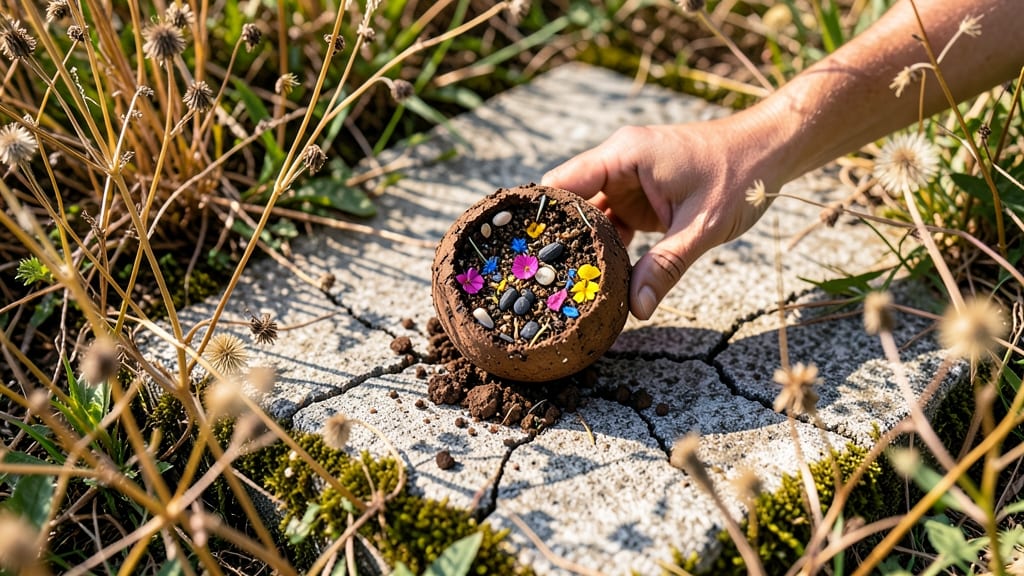
Turn forgotten patches of concrete or overgrown weeds into a thriving ecosystem with DIY seed bombs—the ultimate guerrilla gardening hack. These simple, compostable clay balls pack seeds, soil, and nutrients into one easy-to-toss package, letting you reclaim neglected spaces without permission or heavy tools.
Mix clay or compost with seeds (try wildflowers or herbs like basil or dill) and a little water until it forms moldable balls. Toss them into cracks, vacant lots, or even your own garden edges—just water lightly to help them germinate. They’re perfect for urban gardeners, eco-conscious activists, or anyone who wants to revitalize spaces with minimal effort.
Seed bombs are ideal for spring planting because they work in almost any soil and encourage biodiversity. Plus, they’re a fun, zero-waste project that kids can help with—just toss, water, and watch nature take over! 🌱
Moonlight Garden with Nocturnal Bloomers

Transform your garden into an enchanting evening retreat with a moonlight garden featuring fragrant night-blooming flowers that awaken after sunset. Unlike daytime bloomers, these plants—like moonflower (Ipomoea alba) and night-blooming jasmine (Cestrum nocturnum)—release their intoxicating scents when the sun dips below the horizon, creating a magical atmosphere perfect for patios, pathways, or quiet corners.
Plant moonflower along trellises or fences, where its large, white trumpet-shaped blooms will unfurl at dusk and close by dawn. Evening primrose (Oenothera biennis) and night-scented stock (Matthiola longipetala) are equally low-maintenance, thriving in well-draining soil with full sun to partial shade. Water moderately and avoid over-fertilizing—these plants prefer lean conditions. For extra allure, add scented geraniums or evening-scented pelargoniums to enhance the nocturnal fragrance.
This hack is ideal for romantic gardeners, evening entertainers, or anyone who loves a serene nighttime ambiance. With minimal care, you’ll enjoy a garden that truly comes alive after dark—no artificial lighting needed! ✨