
Blooming
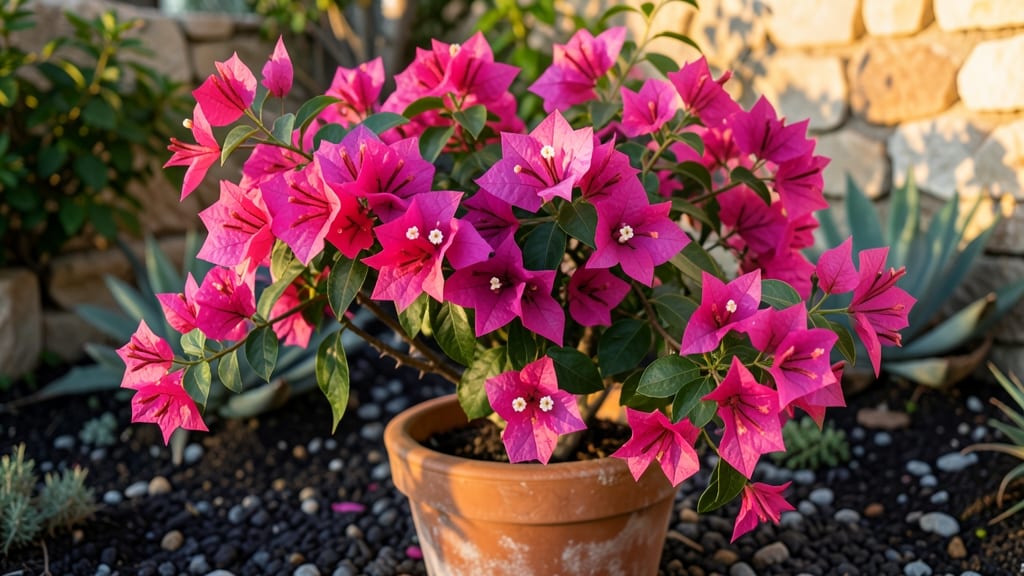
The bougainvillea bloom time depends entirely on your climate zone and how you care for it—because that vibrant purple explosion isn’t just about luck.
If you’ve ever waited months for your bougainvillea 🌱 to burst into vibrant color—only to be disappointed by sparse blooms—understanding its climate-dependent bloom triggers could transform your garden’s seasonal spectacle.
In warmer zones like 9-11, bougainvilleas often bloom twice a year, with peak seasons in spring and fall, while cooler regions may see only one burst of color. The secret? Balancing sunlight, water, and pruning to mimic the plant’s natural stress-and-bloom cycle.
Below, I’ll break down the exact bloom windows by zone, how to force extra flowers, and the one pruning trick that keeps your bougainvillea blooming longer—no matter where you live.
When and why bougainvillea blooms: seasonal triggers by USDA climate zones
Bougainvillea thrives in warm climates, but its bloom timing varies dramatically depending on your USDA hardiness zone. In zones 9-11, these vibrant vines typically bloom in spring and fall, with occasional summer flowers in ideal conditions.
The key triggers? Temperature, sunlight, and drought stress—all influenced by your local climate.
Understanding these triggers helps explain why your bougainvillea might skip blooming in certain seasons. For example, Zone 9 plants often bloom in late spring after winter dormancy, while Zone 11 varieties may flower year-round if conditions are perfect.
The difference comes down to heat thresholds and day length cues that signal the plant to produce flowers.
Here’s how bloom timing breaks down across zones, including the temperature ranges that trigger flowering and the light requirements that sustain it:
Notice how Zone 11 bougainvilleas can bloom year-round? That’s because they experience consistent warmth and long daylight hours, eliminating seasonal dormancy. In contrast, Zone 9 plants rely on spring temperature spikes to break dormancy and trigger flowers.
This is why timing your pruning right after blooming is critical—it removes spent growth and encourages new flowering stems for the next cycle.
The 60-90°F temperature range is non-negotiable for bougainvillea blooms. Below 60°F, growth slows, and flowers won’t form. Above 90°F, the plant may stop flowering due to heat stress. Pair this with full sun exposure, and you’ve got the perfect recipe for vibrant blooms.
For example, my Zone 10 bougainvillea in San Diego blooms prolifically in spring but needs a light pruning in early summer to prevent legginess and encourage fall flowers.
Drought stress plays a surprising role in bougainvillea blooming. Unlike most plants, bougainvillea responds to water scarcity by producing more flowers. This is why overwatering can lead to leafy growth with few blooms.
In Zone 9, I let the soil dry out completely between waterings in late summer to trigger a fall bloom surge. Just don’t let it wilt—moderate drought stress, not dehydration, is the goal.
Pruning cycles also interact with climate to control bloom timing. In Zone 11, where bougainvilleas grow year-round, I prune lightly after each bloom cycle to maintain shape and encourage continuous flowering. In Zone 9, a harder pruning in late winter removes dead wood and stimulates spring blooms.
The key is to prune just after flowering, never before—this ensures the plant has stored enough energy to produce new blooms.
Light requirements are another game-changer. Bougainvillea needs 6-8 hours of direct sunlight daily to bloom well. In Zone 10, where days are long, I’ve seen bougainvilleas bloom year-round with consistent sun.
But in Zone 9, shorter winter days mean fewer blooms unless you supplement with grow lights or choose a sun-loving variety like ‘California Gold.’
Common misconceptions about bougainvillea blooming often stem from ignoring these climate interactions. For instance, many gardeners assume bougainvilleas bloom only in summer, but in reality, fall blooms are just as vibrant—and often more reliable in cooler zones. The secret? Adjust your care
How to force bougainvillea blooms outside its natural season: pruning & care hacks
Bougainvillea thrives on seasonal cues, but with the right techniques, you can coax vibrant blooms year-round—especially in USDA Zones 9-11. The key lies in understanding its natural dormancy triggers and manipulating them through pruning, fertilization, and water stress.
For example, my Zone 10 bougainvillea now blooms in winter months when most gardeners give up hope.
Most bougainvillea varieties bloom spring through fall, but their natural dormancy period often coincides with cooler weather. By strategically pruning and adjusting care, you can break this cycle. The secret? Low-nitrogen fertilizer and controlled watering to mimic drought stress—both critical for flower production.
Let me walk you through the exact steps I use to extend my bougainvillea’s bloom season.
Start by pruning your bougainvillea in early spring (just as new growth begins). Cut back 1/3 of the plant to encourage bushier growth and more flowering nodes. Use clean, sharp shears to avoid damaging stems, and focus on removing dead or weak branches.
This isn’t just about shaping—it’s about stimulating new growth, which is where those vibrant bracts will form.
Next, switch to a low-nitrogen, high-phosphorus fertilizer (like 5-10-10) to promote flowering instead of foliage. Over-fertilizing with nitrogen will delay blooms and result in leafy, leggy growth. Apply fertilizer every 4-6 weeks during the growing season, and reduce watering slightly to create mild drought stress.
This mimics the plant’s natural Mediterranean climate and signals it to produce more flowers.
Water management is critical for forcing blooms. Bougainvillea is drought-tolerant, so overwatering can prevent flowering. Instead, water deeply but infrequently—about once a week in hot, dry weather and every 2 weeks in cooler months.
Let the top 2-3 inches of soil dry out between waterings. This stress-inducing technique tricks the plant into prioritizing blooms over foliage.
For winter blooms in Zone 10, I also use a reflective mulch (like aluminum foil) around the base of the plant. This extends daylight hours and increases warmth, both of which stimulate flower production.
Combine this with morning sunlight exposure and evening shade to regulate temperature swings, which can otherwise shock the plant and halt blooming.
If your bougainvillea still won’t bloom, check for these common issues: too much shade (needs 6+ hours of sunover-fertilizing with nitrogen, or pruning at the wrong time. In my garden, patience and consistency paid off—my ‘California Gold’ variety now blooms year-round with these techniques! 🌷