Blooming
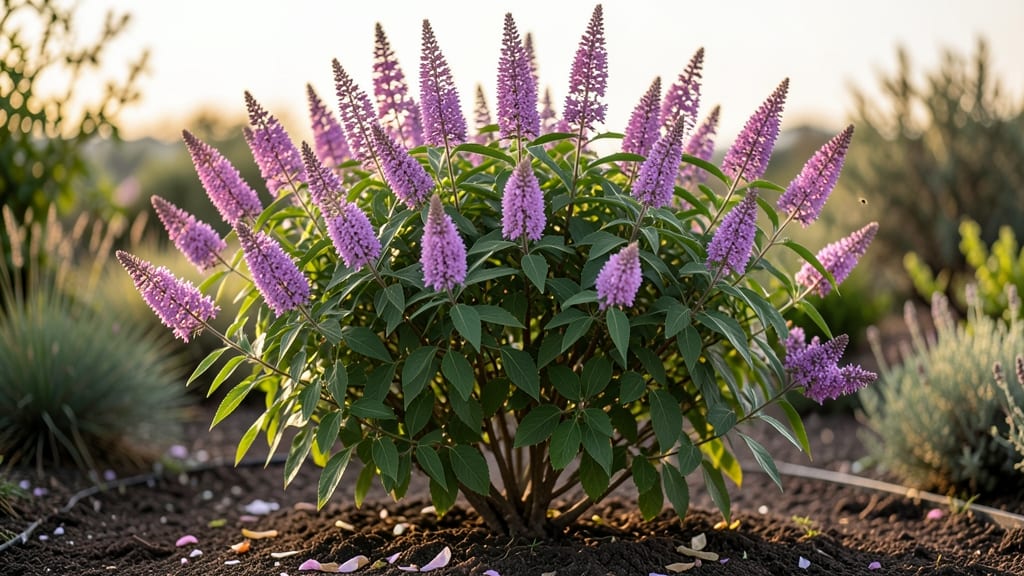
The butterfly bush bloom time is triggered when temperatures reach 50°F or higher—a heat-dependent process that explains why your 🦋 shrub might flower in spring or summer, depending on the variety and your climate.
If you’ve ever wondered why your butterfly bush blooms at different times each year, the answer lies in heat triggers—and choosing the right variety can mean flowers in spring or summer.
Most butterfly bushes thrive in USDA Zone 6a and beyond, with bloom times stretching from late spring through summer, but cooler climates or late pruning can delay the show.
Below, I break down the exact heat thresholds for top varieties, how to prune for extended blooms, and the one care trick that keeps your butterfly bush flowering longer than the neighbors'.
How heat triggers butterfly bush bloom time by variety
Butterfly bushes (Buddleia spp.) are famous for their ability to attract pollinators, but their bloom time varies dramatically based on heat triggers and variety selection. Some varieties burst into flower with spring warmth (50°F+) while others wait for summer heat (60°F+).
This heat-sensitive behavior explains why your neighbor’s bush might bloom in June while yours waits until August.
The key lies in understanding how temperature thresholds kickstart flowering. Most butterfly bushes need consistent warmth to break dormancy, but the exact timing depends on their genetic makeup.
For example, 'Lochinvar' typically blooms in early summer when soil temperatures hit 55°F, while 'Pink Microphone' often waits until late summer when temperatures climb above 65°F. These differences are hardwired into each variety’s growth cycle.
Here’s how heat influences bloom timing for popular varieties:
| Variety | Heat Threshold | Bloom Window | Key Feature |
|---|---|---|---|
| 'Lochinvar' | 50°F+ (spring warmth) | Late May–July | Early bloomer; dark purple spikes |
| 'Pink Microphone' | 60°F+ (summer heat) | July–September | Compact; pink flowers; reblooms |
| 'Lo & Behold' | 55°F+ (spring/summer) | June–August | Dwarf variety; lavender blooms |
| 'Miss Ruby' | 58°F+ (early summer) | June–early August | Ruby-red flowers; heat-tolerant |
If you live in a cooler climate (USDA Zones 5-6), spring-blooming varieties like 'Lochinvar' will thrive with early warmth, while summer varieties may struggle. In warmer zones (7-9), summer heat triggers longer bloom cycles for varieties like 'Pink Microphone'.
The trick is matching your variety to your average last frost date and summer highs.
For example, in Zone 6, 'Lochinvar' often blooms by mid-June when soil warms to 55°F, while 'Pink Microphone' waits until July when temperatures stabilize above 70°F. This staggered timing creates a continuous butterfly buffet from late spring through fall if you mix varieties.
Pruning plays a crucial role in resetting the heat trigger. Cutting back old wood in late winter encourages new growth that responds faster to warmth. For varieties like 'Lo & Behold', a light prune after blooming can coax a second flush of flowers if summer heat persists.
Just avoid heavy pruning—it delays the plant’s ability to react to temperature changes.
Soil temperature matters just as much as air temperature. Use a soil thermometer to monitor conditions—most butterfly bushes need consistent soil temps above 50°F for 2-3 weeks before blooming. In cooler microclimates, mulching with straw or wood chips can help retain heat and encourage earlier flowering.
Pro tip: Plant heat-loving varieties like 'Pink Microphone' in south-facing beds where they’ll receive maximum afternoon sun. This extra warmth can push bloom times 1-2 weeks earlier compared to shadier spots. Pair them with spring bloomers like 'Lochinvar' for a season-long display of color and pollinator activity.
By understanding these heat triggers, you can strategically place varieties to extend your butterfly bush’s bloom season. Whether you’re chasing spring blooms or summer abundance, the right variety and a little heat management will keep your garden buzzing all season long. 🦋☀️
Best butterfly bush varieties for extended bloom time
If you want butterfly bush blooms that last from early summer to fall, selecting the right variety is key. Some varieties like 'Miss Ruby' burst into color in June, while others like 'Purple Haze' shine in late August.
This staggered approach ensures your garden stays vibrant and attracts pollinators all season long.
Heat plays a critical role in triggering blooms. Most butterfly bushes need consistent temperatures above 50°F to initiate flowering, but some varieties thrive in warmer climates (60°F+). Choosing heat-tolerant varieties extends your bloom window naturally, reducing the need for artificial interventions.
For extended bloom time, pair these varieties in your garden. For example, plant 'Miss Ruby' near 'Purple Haze' to create a seamless transition from June to September. This creates a continuous butterfly magnet as different blooms take over the season.
Pruning plays a crucial role in encouraging reblooming. For most varieties, light pruning after each bloom cycle stimulates new growth. Avoid heavy pruning in late summer, as this can cut off potential blooms. Instead, focus on removing spent flowers to redirect energy to new buds.
If you live in a cooler climate, opt for varieties like 'Pink Microphone' or 'Lochinvar', which tolerate lower temperatures better. In hotter regions, varieties like 'Lo & Behold' thrive and continue blooming well into fall when temperatures remain warm.
To maximize bloom time, ensure your butterfly bushes receive full sun exposure (6+ hours daily) and well-draining soil. Regular watering during dry spells keeps the plant healthy and ready to produce flowers. With the right varieties and care, your butterfly bush can bloom for up to 4 months straight!