
Blooming
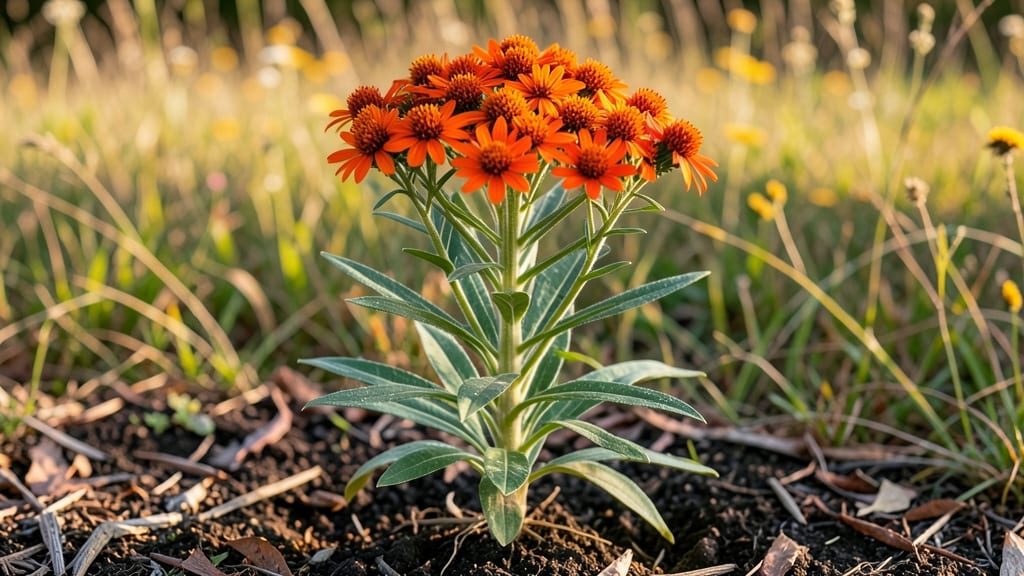
Butterfly weed blooms when the heat arrives—typically mid-to-late summer—but the exact timing depends on your USDA zone and how fast the soil warms up.
Picture this: You've waited all spring for those bright orange clusters to appear, only to find your neighbors' plants already buzzing with monarchs while yours sits stubbornly green. That gap isn't just luck—it's all about heat thresholds and regional timing.
In zone 6a, where I garden, blooms usually kick off in July and stretch into August, but in warmer zones like 9a, they can start as early as June.
The key? Soil temperatures need to hit 55°F+ consistently, which is why late spring plantings sometimes bloom earlier than early ones.
Below, I'll break down the month-by-month heat triggers by zone, plus three proven tricks to coax earlier—or longer—blooms from your 🦋 butterfly weed, including when to prune and what companion plants can extend the show.
Butterfly weed bloom time by USDA zone: month-by-month heat triggers
Butterfly weed (Asclepias tuberosa) thrives on heat, and its bloom time shifts dramatically based on your USDA zone and soil temperature. Unlike calendar-driven bloomers, this native beauty waits until soil reaches 55°F+—a threshold that varies by region.
Understanding these heat triggers helps you plan for vibrant summer color and monarch migrations.
In Zones 3-5, cooler springs delay blooms until late July, while Zones 7-10 may see flowers as early as June. The key? Consistent warmth—even a late frost can reset the clock. Let’s break down the exact month-by-month patterns and how to align your garden for peak blooms.
⚠️ Critical Note: Overwatering or rich soil can delay flowering—this drought-tolerant plant blooms best when stressed slightly (but not dehydrated). Mulch lightly to regulate moisture without smothering roots.
| USDA Zone | Early Bloom Window | Peak Bloom | Late Bloom Window | Soil Temp Trigger |
|---|---|---|---|---|
| 3-4 | Late July | August | Early September | 60°F+ (consistent) |
| 5-6 | Early July | July-August | Mid-September | 58°F+ (spring) |
| 7-8 | June | June-July | August | 55°F+ (spring) |
| 9-10 | May-June | June-July | Late July | 52°F+ (spring) |
In Zones 3-5, butterfly weed often blooms 2-3 weeks later than in warmer zones because cooler springs delay root activity. I’ve seen plants in Zone 4 skip blooming entirely if spring temperatures dip below 50°F for more than 3 weeks.
Use a soil thermometer to track progress—once roots hit 60°F, count on blooms in 6-8 weeks.
For Zones 7-10, the earlier bloom window means you can pair butterfly weed with late-summer milkweeds (like Asclepias syriaca) to extend pollinator support.
In my Zone 8 garden, I plant both varieties 6 weeks apart—the butterfly weed blooms in June**, while the common milkweed takes over in August.
Extreme heat can also affect bloom duration. In Zones 9-10, temperatures above 95°F may cause flowers to bolt prematurely. To combat this, I use light shade cloth during peak afternoons while keeping full sun exposure. This trick adds 10-14 extra days of vibrant blooms.
Deadheading spent blooms (removing faded flower clusters) can encourage a second, smaller flush in Zones 6-10.
I snip stems just above the first set of leaves using clean pruners—this redirects energy to root growth for next year’s blooms. Never deadhead in Zones 3-5, as the plant needs all its energy to survive winter.
If your butterfly weed isn’t blooming by mid-summer, check these three factors:
- Soil drainage (it hates soggy roots),
- Sun exposure (minimum 6 hours of direct sun), and
- Fertilizer use (too much nitrogen delays flowers).
I once had a Zone 7 plant skip blooming—turns out, my compost pile was too close, overfeeding it.
For container gardening, bloom times shift slightly due to heat absorption differences. Pots in Zones 5-6 may bloom 1 week earlier than in-ground plants because they warm up faster. Use terracotta containers to prevent overheating—plastic pots can bake roots and stress the plant.
Pro tip: Plant butterfly weed near early bloomers like black-eyed Susans (Rudbeckia) or coneflowers (Echinacea) to create a continuous pollinator buffet. In my Zone 6 garden, this sequence keeps monarchs visiting from June through September.
Remember, butterfly weed’s bloom time is flexible but not forgiving. Once established, it’s drought-tolerant, but young plants need consistent moisture until roots are 12 inches deep. Mulch with gravel or straw (not wood chips) to maintain ideal soil temps without suffocating roots.
How to extend butterfly weed blooms: pruning, deadheading & soil secrets
Butterfly weed (Asclepias tuberosa) typically blooms in mid-to-late summer, but with the right care, you can stretch those vibrant orange flowers into early fall. The key lies in strategic pruning, deadheading, and soil management—all tailored to this drought-loving native.
Unlike annuals, butterfly weed responds best to light interventions rather than aggressive trimming.
Start by understanding its natural cycle: first flush of blooms appears after soil temps hit 60°F+, and without help, these flowers fade by early fall. My go-to method combines selective pruning after the initial bloom wave with deadheading spent flowers to encourage a second round.
The secret? Timing is everything—prune too early, and you cut off potential blooms; too late, and you miss the chance to prolong the show.
Warning: Butterfly weed stores energy in its thick taproot. Cutting back more than 1/3 of the plant in one session can shock it and reduce next year’s blooms. Never prune after Labor Day—new growth won’t harden before frost, and the plant may not survive winter. For established plants, light pruning (removing only 1-2 stems) is safer than aggressive trimming.
For deadheading, use clean, sharp pruners to snip spent blooms just above the first set of healthy leaves. This redirects energy from seed production to new flower buds.
I’ve seen butterfly weed rebloom 3-4 weeks later when deadheaded consistently. Pro tip: Wear gloves—milky sap can irritate skin, and the plant’s self-seeding habit means gloves also prevent accidental spread.
Soil plays a critical role in extending blooms. Butterfly weed thrives in well-draining, sandy loam with a pH of 6.0–7.5. Amend heavy clay soil with coarse sand or perlite to prevent root rot, which stunts flowering.
In drought-prone zones, add a 2-inch layer of mulch (like pine straw) to retain moisture without smothering roots. Avoid rich compost—too much nitrogen promotes foliage over flowers.
Watering strategy matters too. Deep, infrequent watering (every 7–10 days) encourages deeper roots, which means longer bloom time. Shallow watering leads to weak stems and shorter-lived flowers.
In containers, use a fast-draining mix with 50% perlite—butterfly weed hates soggy feet. Morning watering prevents fungal issues, and drip irrigation keeps foliage dry, reducing mildew risks that cut blooms short.
To maximize blooms, plant in full sun (6+ hours daily) and pair with companion plants like black-eyed Susans or coneflowers for extended color. These perennials bloom at different times, creating a sequential pollinator buffet.
Just avoid overcrowding—butterfly weed needs 12–18 inches of space to thrive. With these tweaks, your butterfly weed can bloom for 8+ weeks instead of the usual 4–6.