
Blooming
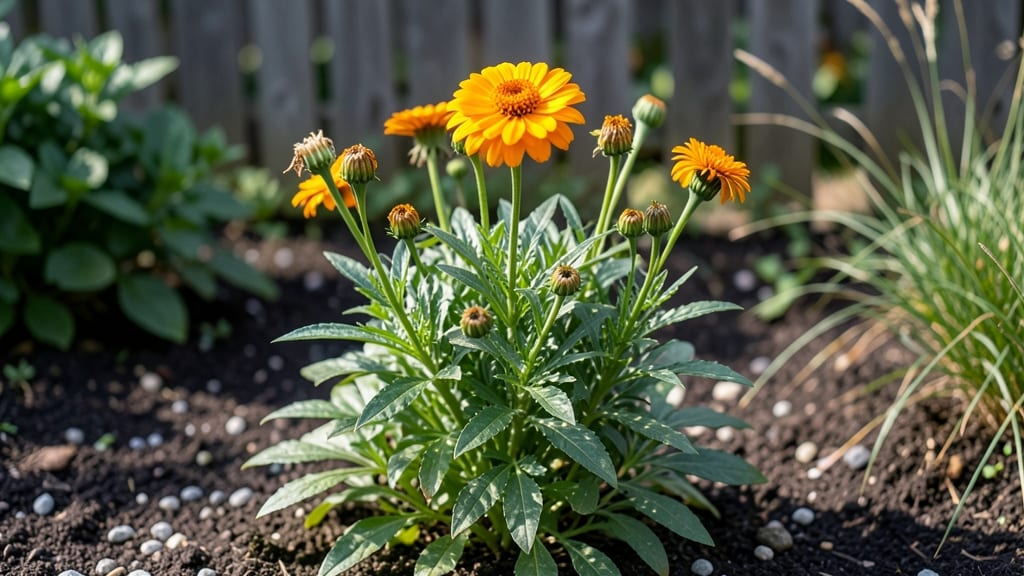
Calendula blooms in summer and fall when it gets 6-8 hours of sunlight daily, but many gardeners miss the mark on timing—especially in cooler climates.
If your 🌼 calendula plants seem to take forever to flower, you’re not alone. The key to speeding up bloom time lies in understanding how light hours dictate when those iconic golden-orange petals finally appear.
In Zone 6a, where spring planting happens after the last frost (around mid-April), calendula typically starts blooming in July if given full sun. But shorter days in early summer can delay flowering—until you adjust planting or light exposure.
Below, I’ll break down how to time your planting for peak sunlight, which varieties bloom fastest, and simple tricks to extend the season so you’re harvesting vibrant flowers from July through October.
How many light hours trigger calendula bloom time?
Calendula plants are sun lovers, and their bloom time is directly tied to the number of light hours they receive daily. While they can tolerate partial shade, 6-8 hours of direct sunlight is the magic threshold for triggering those vibrant orange and yellow blooms.
Without enough light, your calendula may produce lush foliage but few flowers, leaving you waiting longer for the colorful display you crave.
Understanding this light requirement isn't just about counting hours—it's about timing. Calendula plants need consistent sunlight to convert energy into flower production. In my own garden, I've found that plants receiving less than 6 hours often take 2-3 weeks longer to bloom compared to those basking in full sun.
The difference is striking, especially when comparing side-by-side patches.
Here's the science: Calendula is a short-day neutral plant, meaning it doesn't rely on day length to trigger blooming. Instead, it responds to the intensity and duration of sunlight. Think of it like a battery—each hour of sun charges the plant's energy reserves, which it then converts into flower buds.
When those reserves reach a certain threshold, the plant "decides" it's time to bloom.
Seasonal variations play a huge role too. In summer months, when days are long, calendula often blooms within 6-8 weeks of planting. But in spring or fall, when daylight is shorter, the same plants might take 10-12 weeks to produce flowers.
This is why timing your planting matters—starting seeds in early spring gives them the full growing season to accumulate enough light energy.
🌼
| Light Requirement | Bloom Time Impact | Seasonal Notes |
|---|---|---|
| 6+ hours direct sun | 6-8 weeks to bloom | Ideal for summer planting |
| 4-5 hours direct sun | 8-10 weeks to bloom | Partial shade tolerance |
| Less than 4 hours | 10+ weeks or minimal blooms | Risk of leggy growth |
| Full sun + grow lights | 5-7 weeks to bloom | Best for short-season climates |
Measuring sunlight accurately is easier than you think. Use a simple sunlight tracker or even a phone app to record how many hours your garden gets direct sun. I like to place a white board where I plan to grow calendula—it clearly shows sun patterns over a week.
Remember, morning sun (before 10 AM) is often more intense than afternoon sun, so position your plants accordingly for maximum energy capture.
Real-world example: In my Zone 7a garden, calendula planted in late May with 8+ hours of sun blooms by early July. The same variety planted in early April with only 6 hours of sun didn't produce flowers until mid-August.
The difference? 10 weeks of waiting versus just 8 weeks of anticipation. That's the power of proper light exposure!
For container gardeners, this light requirement becomes even more critical. Calendula in pots needs at least 6 hours of direct sun daily—any less and you'll struggle to get blooms.
I've found that placing containers on south-facing patios or using reflective surfaces (like white walls) can add 1-2 extra hours of effective light, making a noticeable difference in bloom time.
One common mistake is assuming bright indirect light counts the same as direct sun. It doesn't. Calendula needs those UV rays to trigger flowering.
If your plants are getting plenty of light but still not blooming, check for obstructions like nearby trees or buildings casting shade during peak sun hours (10 AM - 2 PM).
🌻
Seasonal light adjustments to speed up calendula bloom time
If your calendula plants are taking forever to bloom, it might be time to adjust their light exposure. Short-season climates often struggle with insufficient daylight hours, but with the right strategies, you can trick your plants into flowering faster.
The key is understanding how to extend natural light and time your planting for peak sunlight months.
Calendulas thrive with 6-8 hours of direct sunlight daily, but in regions with shorter days, this can be challenging. By making small adjustments—like using reflective surfaces or supplemental grow lights—you can create the ideal conditions for faster blooming.
Let’s explore practical ways to maximize light and accelerate those vibrant golden-orange flowers.
- 1Use reflective mulch or white gravel around plants to bounce extra sunlight onto foliage.
- 2Install LED grow lights for 12-14 hours/day in early spring or late fall to simulate longer daylight.
- 3Plant calendulas in south-facing beds or containers to capture the most sunlight during critical growth stages.
- 4Adjust planting time to late spring for longer daylight exposure, ensuring blooms appear by early summer.
- 5Prune overly dense foliage to reduce shading and allow more light penetration to lower stems.
One of the easiest ways to boost light exposure is by using reflective surfaces. Paint the south side of your garden beds with light-colored paint or lay down white gravel to redirect sunlight onto your calendulas.
This simple trick can add up to 2 extra hours of effective light per day, speeding up the time to bloom.
For short-season climates, consider starting seeds indoors under grow lights 4-6 weeks before the last frost. This head start ensures your plants enter their outdoor phase with stronger stems and earlier flowering.
Once transplanted, continue monitoring light exposure—calendulas in partial shade may produce fewer blooms or take longer to flower.
If you notice delayed blooming despite adequate sunlight, check for nutrient deficiencies or overcrowding. Calendulas need balanced fertilizer (like 5-10-10) every 4-6 weeks to support vigorous growth and abundant flowers. Thin out seedlings to 12 inches apart to prevent competition for light and nutrients.
By combining these light adjustment strategies with proper care, you’ll enjoy vibrant calendula blooms weeks earlier than expected—even in less-than-ideal climates. The secret is giving your plants the right conditions at the right time of year.