
Blooming
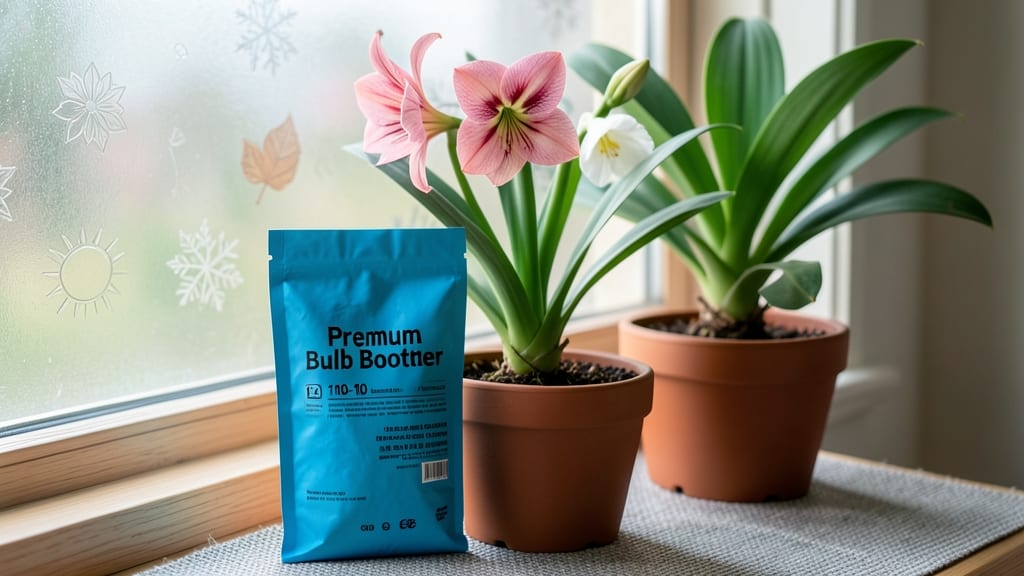
Amaryllis can bloom twice a year when you create the right conditions: simulate 6-8 weeks of complete darkness daily, keep temperatures steady between 65-75°F, and use phosphorus-rich fertilizer every 4-6 weeks after flowers fade. The secret lies in mimicking natural dormancy cycles.
Amaryllis bulbs are biological marvels—nature designed them to store energy for dramatic, seasonal blooms, but with the right care, you can trick them into flowering twice annually. 🌱 The key is forcing dormancy after each bloom: reduce watering and move them to cooler spots (around 55-60°F) for 6-8 weeks to reset their internal clocks.
Many gardeners swear by the "double-bloom hack"—simply repeat this cycle after the first flowers fade, and you'll often see a second show in late fall or early winter.
What's fascinating is how light triggers this process. Amaryllis bulbs need 12 hours of uninterrupted darkness daily to start producing the hormones that prompt flower buds. Even a nightlight can disrupt this critical window!
I've found that placing them in a closet or covering with a dark box during their dormancy period yields the best results. And here's a pro tip: if your amaryllis skips its second bloom, don't panic—it might just need one more year of perfect conditions to fully reset.
💡 In This Article
- How Amaryllis Flowering Cycles Work Scientifically
- Step-by-Step Guide to Encouraging Year-Round Amaryllis Blooms
How amaryllis flowering cycles work scientifically
Amaryllis bulbs operate on a biological clock controlled by photoperiodism—their response to daylight length. When exposed to 12+ hours of darkness daily for 6-8 weeks, the bulb's meristem (growth center) begins producing gibberellins, hormones that trigger flower bud formation.
This process is similar to how short-day plants like poinsettias bloom only when nights exceed a critical length. The bulb's natural cycle mirrors this: in the wild, amaryllis (native to South America) blooms in late fall/winter when daylight shortens, then enters dormancy as days lengthen.
Temperature plays an equally critical role. During dormancy, cooler 55-60°F temps slow metabolic activity, conserving energy for future blooms. When you warm the bulb back to 65-75°F after dormancy, auxins (growth hormones) redistribute nutrients toward flower stalk development.
Think of it like a battery: the bulb stores energy during dormancy (like charging), then uses it to power dramatic blooms (like discharging). Without this cool-down period, the bulb's energy reserves get depleted—explaining why many store-bought amaryllis bloom just once before fading.
The darkness requirement isn't just about hours—it's about consistency. Even 15 minutes of light during the 12-hour dark period can disrupt flowering.
This is why covering bulbs with black plastic or placing them in closets works better than relying on natural night cycles, especially in urban areas with streetlight pollution. The bulb's photoreceptors (phytochromes) detect even low-level light, sending signals to halt gibberellin production.
For repeat bloomers, I've seen gardeners use blackout boxes with LED strips on timers to create precise light conditions.
Here's what happens when you nail the science: after the first bloom cycle, the bulb's foliage continues photosynthesizing, building up starch reserves in the bulb. When you induce dormancy again, these reserves fuel the second flowering.
The second bloom often appears 20-30% smaller than the first because the bulb has partially depleted its energy, but with proper care, you can maintain this cycle for years. The record? Some dedicated growers report three blooms per year by carefully managing light and temperature through all seasons.
Watch for these biological signals: when the flower stalk emerges, the bulb has successfully completed its hormonal reset. The stalk's rapid growth (up to 2 inches per day) indicates active gibberellin production. If growth stalls or the stalk bends, it's often a sign of insufficient darkness or temperature fluctuations.
This is why maintaining stable conditions is more important than absolute values—consistency lets the bulb's internal clock sync properly.
Fun fact: The amaryllis bulb's dormancy isn't true hibernation—it's an active metabolic slowdown. Even during dormancy, the bulb continues minimal respiration, which is why you should never let it dry out completely. The key is reducing water to every 3-4 weeks while keeping the bulb slightly moist.
This balance prevents root rot while maintaining just enough moisture for survival. It's like putting a car in neutral: you're not turning off all systems, just letting it idle efficiently.