
Blooming
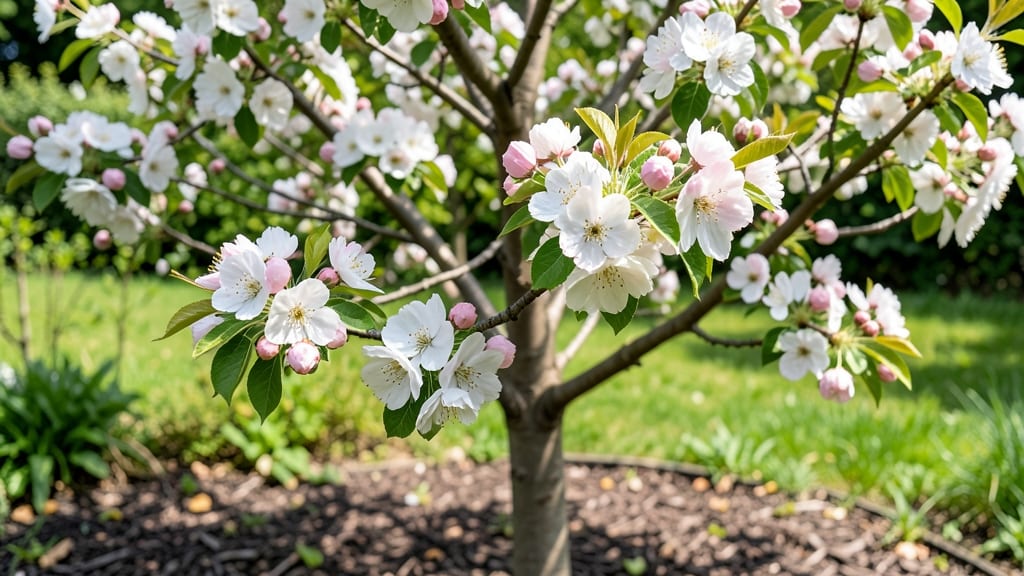
Your cherry tree’s bloom time 🌸 depends on the variety, climate, and even last winter’s chill hours—but knowing these exact months can save your harvest from frost or disappointment.
Picture this: You’ve waited years for that first flush of pink blossoms, only to wake up to a late frost wiping them out. Or worse, your neighbors’ trees are already heavy with fruit while yours hasn’t even budded.
The difference? Timing. Some varieties bloom as early as March, while others hold off until May, and your local frost date could shift that window by weeks.
In this guide, you’ll discover the precise bloom periods for 12+ cherry varieties, how your USDA zone (especially Zone 6a) alters those dates, and the simple tricks to predict when your tree will burst into color—before the first petal falls.
From sweet Bing cherries to showstopping Yoshino blooms, we’ll cover everything you need to time pruning, protect flowers from frost, and even extend the season with a few smart care tweaks.
Cherry tree bloom time by variety: exact months for sweet, tart, and ornamental types
Cherry trees burst into stunning blossoms each spring, but their bloom times vary dramatically by variety. Whether you're growing sweet cherries for fruit or ornamental cherries for show, knowing the exact bloom window helps you plan for frost protection and harvest timing.
Some varieties bloom as early as February in warm zones, while others wait until May in cooler climates.
This guide breaks down the bloom schedules for 12+ popular cherry varieties, including tart cherries, sweet cherries, and ornamental types. I’ll also share how USDA zones 5-9 shift these timelines—so you can predict when your tree will burst into color based on your location.
Why timing matters: Late frosts can devastate blossoms, while early bloomers may fruit earlier. Understanding your tree’s schedule helps you protect flowers, time pruning, and plan harvests for peak flavor.
| Variety | Type | Bloom Time (USDA Zone 6) | Bloom Time (USDA Zone 8) | Notes |
|---|---|---|---|---|
| Bing | Sweet | Late April | Early April | Early bloomer; frost-sensitive |
| Stella | Sweet | Mid-April | Late March | Dwarf variety; reliable producer |
| Rainier | Sweet | Early May | Late April | Late bloomer; heat-tolerant |
| Montmorency | Tart | Mid-April | Late March | Cold-hardy; great for pies |
| Kwanzan | Ornamental | Late April | Early April | Pink double blooms; no fruit |
| Yoshino | Ornamental | Early April | Late March | White blossoms; early bloomer |
| Black Tartarian | Tart | Mid-April | Late March | Dark fruit; cold-resistant |
| Lapins |
How climate zones shift cherry tree bloom time: a Zone-by-Zone guideYour cherry tree’s bloom schedule isn’t set in stone—it shifts dramatically based on your USDA climate zone. In colder zones like Zone 4, trees often wait until late April or early May to bloom, while Zone 8 cherries might burst into color as early as February. These shifts matter for everything from frost protection to harvest timing. Understanding your zone’s patterns helps you anticipate—and prepare for—your tree’s seasonal show. Temperature extremes play a huge role. A sudden late frost in Zone 5 can wipe out buds, while unseasonable warmth in Zone 7 might trick trees into blooming too early. Even within a single zone, microclimates (like urban heat islands or valley floors) can push bloom times 1-3 weeks earlier than rural areas. Let’s break down how your zone affects your cherry tree’s timing—and what you can do to protect those delicate blossoms. In Zones 3-4, cherry trees rely on longer cold periods (600-1,000 chilling hours) to trigger blooms. If winters are mild, buds may stay dormant, causing delayed or sparse flowering. For example, a Yoshino cherry in Zone 4 might bloom in late May, while the same tree in Zone 7 could flower by early April. This shift means gardeners in warmer zones need to monitor frost forecasts closely—late frosts can still damage early bloomers. Southern zones (7-10) present unique challenges. Heat stress during dormancy can confuse trees, leading to irregular blooming or even skipped seasons. In Zone 9, for instance, a Stella cherry might bloom in January, but if temperatures spike above 85°F before buds open, flowers can shrivel. To combat this, I recommend light shade cloth during heatwaves or choosing heat-tolerant varieties like Black Tartarian, which handles warmth better than delicate ornamentals. Protecting your tree during late frosts is critical, especially in transitional zones like 5-6. I’ve had success using frost cloth or even a sprinkler system to raise temperatures by 2-5°F. For ornamental cherries, wrap the trunk with burlap to shield it from cold winds, which can stress the tree and delay next year’s blooms. Timing matters too—cover buds at dusk before temperatures drop below 32°F, and remove covers by 10 AM to allow sunlight to reach the flowers. If your tree’s bloom time seems off, check its age and health. Young trees (3-5 years old) often bloom later as they establish roots, while mature trees (10+ years) may bloom 2-3 weeks earlier. Poor soil drainage or nutrient deficiencies can also push back bloom times. I always test soil pH and add compost or organic matter in fall to ensure trees get the nutrients they need for next year’s buds. Understanding your zone’s quirks turns guesswork into strategy. Whether you’re in frost-prone Zone 4 or heat-sensitive Zone 9, knowing your tree’s typical bloom window and the local risks lets you plan ahead. With the right adjustments, you’ll enjoy those pink blossoms year after year—without the worry of frost or heat ruining the show. 🌸 |