
Blooming
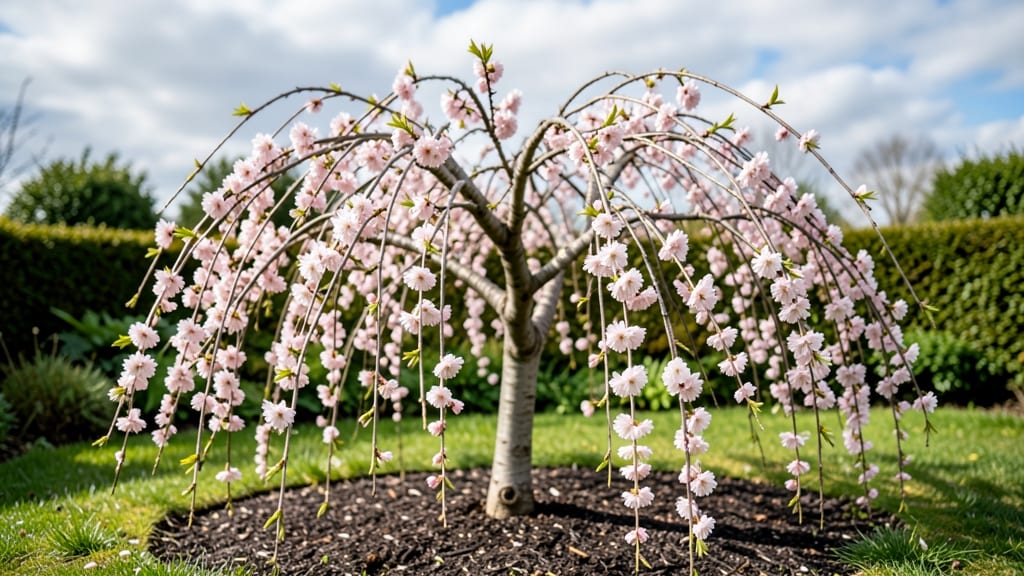
Weeping cherry trees bloom in late spring, transforming your yard into a dreamy pink or white waterfall 🌸 — but the exact timing depends on your climate, the tree’s age, and even last winter’s chill hours.
If you’ve ever dreamed of a cascading canopy of blossoms framing your garden, timing your weeping cherry tree’s bloom is key—get it wrong, and you’ll miss the magical spring show entirely.
Most varieties burst into color between mid-April and early May in USDA Zone 6a, but warmer regions like Zone 8 can see flowers as early as February, while colder areas might delay blooms until June.
Here’s how to predict your tree’s bloom window, adjust for your local climate, and even coax earlier—or more abundant—flowers with simple care tricks.
When weeping cherry trees bloom: exact timing by popular varieties
Timing your weeping cherry tree bloom is like planning a spring fashion show—you want the pink or white blossoms to make their grand entrance when you’re ready to enjoy them.
These stunning trees typically burst into color between late winter and early spring, but the exact timing depends heavily on the variety you choose.
Whether you’re dreaming of 'Kwanzan''s deep pink cascades or 'Taff’s Light Pink''s delicate petals, knowing the bloom window helps you plan your garden’s seasonal highlight.
Most weeping cherry varieties bloom in early to mid-spring, but some varieties can push the envelope with late-winter or even fall blooms.
For example, 'Skyllak' might surprise you with a second flush of flowers in autumn, while 'Amanogawa' prefers to wait until late April or May for its dramatic show. Understanding these differences ensures you’ll never miss the magical bloom spectacle that makes these trees so beloved.
Here’s a quick reference to help you predict when your weeping cherry will bloom, based on the most popular varieties and their typical bloom windows:
The bloom timing for these varieties can shift slightly based on your USDA hardiness zone.
For example, if you live in Zone 7 or warmer, you might see blooms as early as late February, while gardeners in Zone 5 or colder could delay until mid to late May.
Always check your local frost dates to avoid late spring frosts that can damage delicate blossoms.
If you’re eager to extend the bloom season, consider planting multiple varieties. For instance, pairing 'Skyllak' (early bloomer) with 'Amanogawa' (late bloomer) ensures your garden stays in bloom for 6+ weeks. This strategy also helps mitigate risks from unpredictable weather or pests that might target a single variety.
Another pro tip: Mature trees tend to bloom earlier and more abundantly than younger specimens. If you’ve recently planted a weeping cherry, be patient—it may take 3–5 years to reach its full bloom potential.
During this time, focus on providing consistent care, including well-draining soil, full sun exposure, and proper watering to encourage healthy growth.
For gardeners in cooler climates, watch for bud swell in late winter—a sure sign that blooms are on the way. In warmer regions, you might notice buds forming as early as December or January.
Paying attention to these seasonal cues helps you anticipate the exact bloom window and plan your garden’s seasonal highlights accordingly.
Finally, don’t overlook the role of winter chilling hours. Most weeping cherry varieties require 400–800 hours of temperatures below 45°F (7°C) to trigger blooming.
If you live in a mild-winter zone, like Zone 9 or 10, your tree might struggle to bloom reliably without additional care, such as winter chilling treatments or selecting low-chill varieties like 'Shirotae'.
With this guide, you’re now equipped to predict your weeping cherry’s bloom time like a pro. Whether you’re planning a spring garden party or simply want to enjoy the ethereal beauty of cascading blossoms, timing is everything. Happy gardening! 🌸
Climate Zone impact on bloom time: how latitude affects flowering
Your weeping cherry tree’s bloom time isn’t set in stone—it’s a moving target influenced by your USDA climate zone. Trees in Zone 9 (like Southern California) often burst into bloom by late February, while those in Zone 4 (think Minnesota) may wait until mid-May.
This shift happens because cherry trees need chilling hours (300–1,500 hours below 45°F) to trigger flowering, and warmer zones accumulate them faster.
Even within the same zone, microclimates play a role. A weeping cherry in a sunny urban heat island might bloom 2–3 weeks earlier than one in a shady rural valley.
Elevation matters too—trees at 5,000 feet in Colorado’s Zone 5 often bloom later than those at sea level in Zone 6.
To advance blooms in cold zones, plant near a south-facing wall or use black plastic mulch to absorb heat. For delayed blooms in warm zones, provide afternoon shade or choose late-blooming varieties like 'Taff’s Light Pink', which thrives in Zone 7–9 with a 2-week later bloom than standard types.
Age also shifts timing: Young trees (under 5 years) bloom 1–2 weeks later than mature specimens because they’re still building energy reserves. Prune in late summer to redirect energy toward next year’s flowers—just avoid heavy cuts, or you’ll delay blooming entirely.
Pro tip: Track your tree’s bloom date for 3 years to spot trends. If blooms shift more than 10 days year-to-year, your microclimate might be changing—perhaps due to urban development or climate shifts. Adjust care accordingly.
Remember, weeping cherries reward patience. Even if your Zone 4 tree blooms in May instead of February, the 3–4 week show is still worth the wait—and you’ll have fewer pests and better pollinator activity when flowers arrive later in the season.