
Blooming
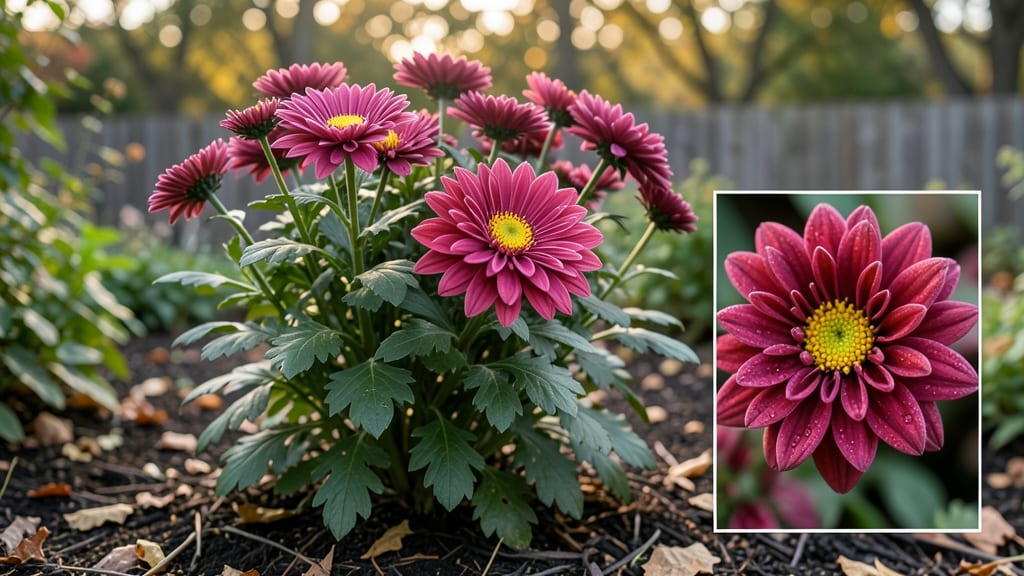
Chrysanthemum bloom time depends on heat-sensitive stages that turn your late-summer garden into a fall masterpiece—but one wrong move can send those buds packing.
Did you know these 🌼 stars wait for cooler air to burst into color? Most varieties need 50-60°F nights to trigger blooms, which is why a late spring frost or summer heatwave can throw off timing by weeks.
Understanding their rhythm is the key to vibrant displays from September through October.
Regional differences matter too: In USDA Zone 6a, expect blooms to start as early as late August for early varieties, while late-season types may not peak until November.
The secret? Planting in March-April and pinching back stems to encourage bushier growth—this gives your chrysanthemums the head start they need to ride out temperature shifts.
Below, I’ll break down how to read your plant’s signals, adjust care for delayed blooms, and even trick them into flowering earlier or later—without sacrificing health or vibrancy.
How temperature triggers chrysanthemum bloom time (by variety)
Chrysanthemums are masters of seasonal timing, using temperature shifts to trigger their stunning fall blooms. Unlike many flowers that rely solely on daylight, these hardy perennials respond to cooling temperatures—typically between 50-60°F—to kickstart their flowering cycle.
This heat-sensitive mechanism explains why your early-season varieties might bloom weeks before late-season types, even in the same garden.
The magic happens when daytime highs dip consistently below 70°F while nights remain above 45°F. This temperature range signals chrysanthemums to transition from vegetative growth to bud formation.
In warmer climates (Zones 8-10), this shift occurs as early as August, while colder regions (Zones 3-6) may not see blooms until September or October.
Here’s how day-length sensitivity interacts with temperature to control bloom timing. Most chrysanthemums are short-day plants, meaning they flower when daylight hours shorten below 12-14 hours. However, temperature acts as the final trigger—cool nights combined with shorter days accelerate bud development.
For example, a mid-season variety like 'Bright Golden Anne' might start forming buds in late summer but won’t open until temperatures stabilize in the 50-60°F range.
To manipulate bloom timing, focus on temperature control rather than daylight manipulation. For example, if you want earlier blooms, plant early-season varieties in late spring (May-June) and provide afternoon shade during heatwaves.
Conversely, to delay blooming in warm climates, use shade cloth or mulch heavily to keep soil temperatures cooler. I’ve successfully pushed back blooms by 3-4 weeks in Zone 9 by using 30% shade cloth during peak summer.
One common misconception is that chrysanthemums bloom strictly on a calendar schedule. In reality, their timing hinges on cumulative temperature exposure. Track your local growing degree days (GDD)—chrysanthemums typically need 1,200-1,500 GDD from planting to bloom.
Use this formula: (Daily High + Daily Low) ÷ 2, minus a base temperature of 40°F. When your total reaches the threshold, buds will form within 4-6 weeks.
For container-grown chrysanthemums, temperature control is even more critical. Pots heat up faster than garden soil, which can delay blooming. Use light-colored containers and elevate them off the ground to improve airflow.
I’ve found that black pots can raise soil temps by 10°F on sunny days, potentially delaying blooms by 1-2 weeks. Switch to terracotta or white containers to mitigate this effect.
If your chrysanthemums fail to bloom, check for temperature-related stress. Buds may drop if nights dip below 40°F or if daytime temps exceed 90°F for extended periods. In my garden, heatwaves in July caused 'Bonanza White' to drop buds—until I provided afternoon shade with burlap screens.
Once temperatures stabilized, new buds formed within 10 days.
Pro tip: Use row covers in early fall to protect late bloomers from unexpected frosts. I’ve extended the bloom season by 2-3 weeks in Zone 6 by covering plants with frost blankets when nighttime temps drop below 45°F.
Remove covers during the day to allow sunlight exposure. This technique works especially well for spray varieties, which often bloom later in the season.
For gardeners in warmer climates, where temperatures stay above 60°F well into fall, consider high-altitude varieties. These types, like 'Dwarf Snowball,' are bred to tolerate cooler nights and will bloom reliably even when daytime temps remain warm.
Pair them with evening watering to help lower soil temperatures slightly, creating the ideal 50-60°F trigger range.
Remember,
Signs of frost damage in chrysanthemums & recovery tricks
Chrysanthemums thrive when daytime temperatures dip between 50-60°F, signaling their heat-triggered bloom cycle. But when a late-season frost hits—especially after buds form—your fall color display can vanish overnight. Recognizing early frost damage is key to salvaging your plants and adjusting care for delayed blooming.
Even light frost exposure (28-32°F) can cause bud drop and leaf discoloration, while severe frost (below 28°F) often kills stems and roots. The good news? With the right recovery steps, many chrysanthemums bounce back—especially if you act quickly and protect late bloomers.
⚠️ Chrysanthemum Bloom Time Critical Window
Most varieties need 90-150 days from planting to bloom. Late frosts after bud formation (typically September-October) can delay or destroy blooms. Early bloomers (like 'Bonanza' series) may recover faster than late-season types (e.g., 'Dwarf Spray').
📅 Pro Tip: Monitor your local first frost date (usually October 15 in Zone 6a) and protect tender varieties 2 weeks before.
Start by inspecting your chrysanthemums for frost damage signs. Look for blackened or mushy leaves, drooping stems, or buds that turn brown.
These indicate cell damage from ice crystals forming in plant tissues. If only the outer leaves are affected, the plant may recover with proper care.
For light frost damage, prune away affected leaves and buds using sterilized shears. This redirects energy to new growth and encourages delayed but healthy blooms.
Water deeply at the base of the plant (avoid wetting foliage) to prevent fungal infections like powdery mildew, which thrive in damp, cold conditions.
If frost hit severe areas, check the stem and root health. Gently tug on stems—if they pull out easily, the roots may be dead. In this case, dig up the plant and inspect the crown (base).
If it’s firm and green, replant in a protected microclimate (like near a south-facing wall) and wait for new shoots. If it’s soft or black, the plant is likely lost.
To protect late bloomers, cover plants with frost cloth or lightweight row covers when temperatures drop below 35°F. Secure the edges with bricks or stakes to prevent wind damage.
For extra insulation, add a layer of straw mulch (2-3 inches) around the base of the plant to shield roots from ground frost.
Adjust your care routine to stimulate delayed blooming. Increase watering frequency to every 5-7 days and apply a balanced fertilizer (like 5-10-10) to support recovery. Avoid heavy pruning—focus on removing only dead growth to minimize stress.
With patience, your chrysanthemums may still deliver stunning fall color, just a few weeks later than expected.