Blooming
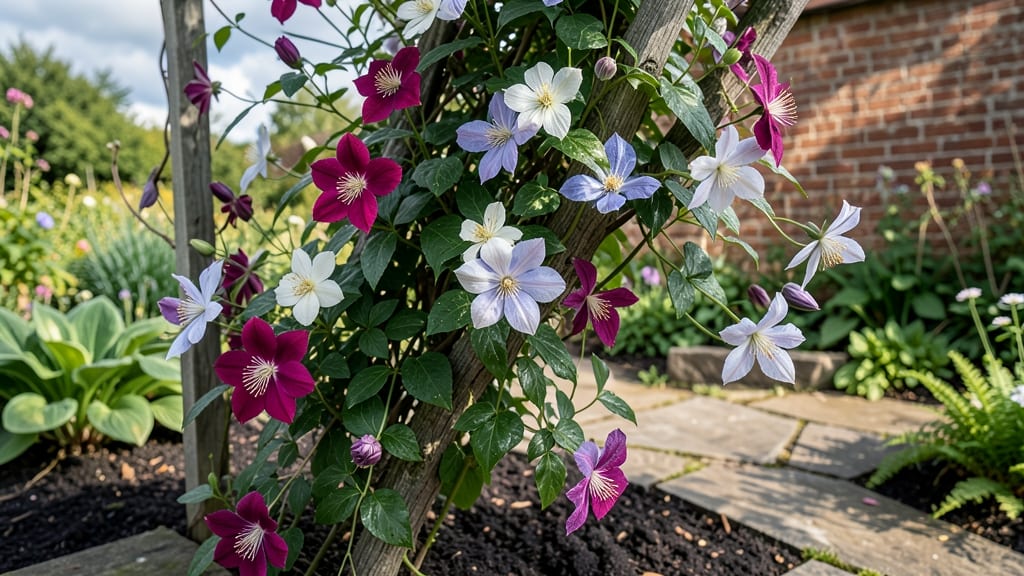
The clematis bloom time varies wildly depending on where you live and how you care for it, but knowing the right window can mean the difference between a showstopping display and a sparse vine.
If you’ve ever wondered why your clematis vine isn’t blooming—or when to expect those stunning, fragrant flowers—timing is everything. But bloom schedules vary wildly by USDA zone, climate, and pruning habits, making it tricky to predict.
In Zone 6a, where many gardeners live, clematis typically burst into color between May and June, but early bloomers can start as soon as April. Late-season varieties might even linger into July, depending on your microclimate.
Below, I’ll break down the exact months for your zone, how pruning shifts bloom times, and the three key factors that keep your clematis flowering reliably year after year.
USDA Zone bloom timeline: when clematis flowers first appear
Timing is everything when it comes to clematis blooms, and your USDA zone plays a starring role. Early bloomers like Group 1–3 clematis can appear as early as late winter in mild zones, while colder regions wait until late spring.
Coastal areas often bloom 2–4 weeks earlier than inland regions due to milder temperatures. Understanding these patterns helps you plan pruning and support structures for optimal flower production.
For gardeners in Zones 3–5, expect first blooms in May or June, while Zones 6–8 see flowers as early as April. In Zones 9–10, some varieties even bloom in December–February, thanks to winter-friendly climates.
The key? Matching your clematis group to your zone’s frost dates and microclimate.
| USDA Zone | First Bloom Month | Early Bloomers (Group 1–3) | Coastal Adjustment |
|---|---|---|---|
| 3–4 | Late May–June | ‘Early Sensation’, ‘Vyvyan Pennell’ | +2 weeks earlier |
| 5–6 | May–Early June | ‘Niobe’, ‘Comtesse de Bouchaud’ | +1–2 weeks earlier |
| 7–8 | April–May | ‘Jackmanii’, ‘Perle d’Azur’ | +1 week earlier |
| 9–10 | December–February | ‘Freckles’, ‘The President’ | –1 week later (inland) |
In Zone 3–4, where frost lingers late, Group 1 clematis like ‘Early Sensation’ often bloom in late May after soil warms. These hardy varieties thrive in cooler climates but need full sun exposure to trigger flowering.
Plant them near a south-facing trellis to capture morning warmth and protect from afternoon winds that can delay blooms.
Gardeners in Zone 5–6 see their first clematis flowers in May, with some Group 3 varieties like ‘Comtesse de Bouchaud’ extending blooms into early July. Coastal areas in these zones—think Pacific Northwest or New England—can expect blooms 1–2 weeks earlier due to moderating ocean breezes.
Inland regions may face delayed blooming if late frosts strike.
For Zones 7–8, the show starts in April with Group 1–2 clematis like ‘Jackmanii’ leading the charge. These zones benefit from longer growing seasons, allowing multiple bloom cycles if deadheaded regularly.
However, overheating in summer can stress vines, so provide afternoon shade to extend the bloom period into early fall.
Southern gardeners in Zones 9–10 enjoy a unique advantage: winter blooms. Varieties like ‘Freckles’ can flower as early as December, thanks to mild winters. Inland areas may see delayed blooms until February due to cooler nights.
Coastal regions, however, often bloom earlier but may struggle with humidity-related fungal issues if air circulation is poor.
Microclimates matter! A sunny hillside in Zone 6 might bloom 2 weeks earlier than a shady valley, even if both are in the same zone. Pay attention to local frost dates and adjust your expectations accordingly.
For example, Denver (Zone 5) typically sees blooms in late May, while Seattle (Zone 8) starts as early as April.
To maximize early blooms, focus on Group 1–3 clematis, which flower on previous year’s growth. Prune these varieties in late winter (just before new growth starts) to avoid cutting off potential blooms.
For Group 1, cut back to 2–3 buds above ground level, while Group 3 can be pruned harder to 6–12 inches tall for a stronger frame.
If your clematis isn’t blooming on schedule, check these three common culprits: insufficient sunlight (they need 6+ hours dailyover-fertilizing with nitrogen (which promotes leaves over flowers), or poor pruning habits. A balanced 5-10-10 fertilizer applied in early spring encourages blooms without excessive foliage growth.
Pro tip: Keep a gardening journal to track bloom dates year after year. Over
How pruning affects clematis bloom time: a month-by-month guide
Timing your clematis pruning can shift bloom windows by 4–6 weeks, turning a sparse spring display into a summer-long spectacle. Group 1 clematis (early bloomers) need late winter cuts, while Group 3 varieties thrive with early spring pruning.
Each group responds differently to your shears, and getting it wrong can delay flowers for months.
For Group 1 clematis (like 'Early Sensation'), prune in late February to early March—just as buds swell. This triggers spring blooms by April or May, depending on your USDA zone. In colder regions (Zones 3–5), wait until after last frost to avoid frost damage to fresh cuts.
Group 2 varieties (e.g., 'Comtesse de Bouchaud') bloom on old and new wood, so prune lightly in early spring to preserve last year’s flower buds. Cut back by one-third in late winter, then trim again after first bloom to encourage a second flush in late summer.
For Group 3 clematis, the golden rule is: wait until after blooming. Prune in late winter or early spring (March–April) to set up summer-to-fall flowers. If you cut too early, you’ll miss the June–July bloom window entirely. Use sterilized shears to avoid disease when making clean cuts.
To maximize blooms, pair pruning with phosphorus-rich fertilizer (like 5-10-10) in early spring. This fuels flower production while new stems harden. In USDA Zone 9–10, where clematis bloom year-round, prune after each flush to extend the season by 6+ weeks.
Track your clematis’ growth stages with a garden journal. Note when buds form after pruning—this helps you predict next year’s bloom time. For example, if you prune 'Jackmanii' in early April and see buds by mid-May, expect flowers by late June.
Adjust timing yearly based on your microclimate.
Remember: Pruning isn’t just about cutting—it’s about communication. Tell your clematis when to bloom, and it will reward you with vibrant flowers all season long. Start with the right group-specific schedule, and watch your vine transform from bare stems to a lush, flowering masterpiece.