
Blooming
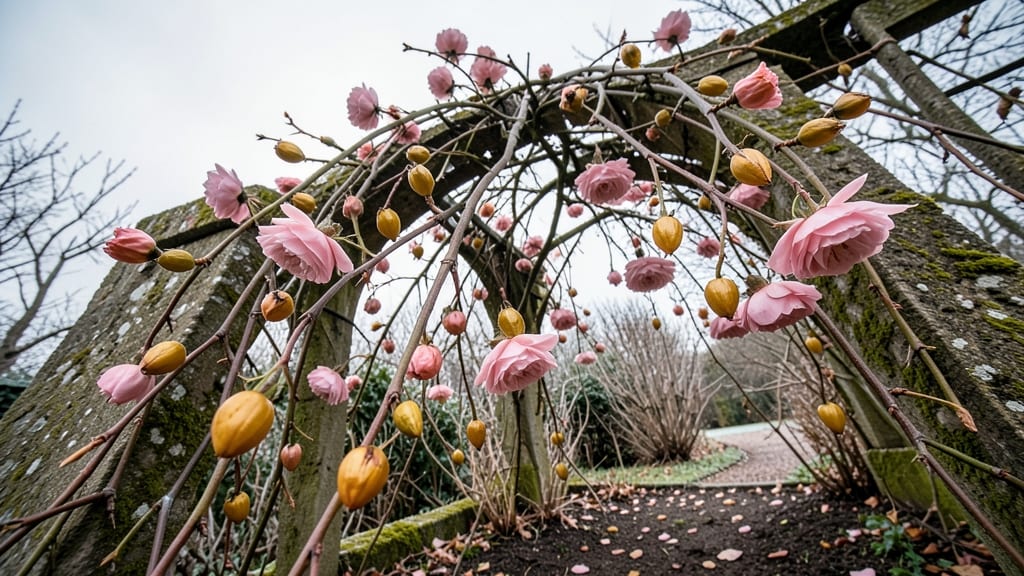
Year-round blooms transform any vertical space into a fragrant paradise. These 10 climbing roses defy seasonal limits, offering continuous color, scent, and lush foliage for gardeners who crave perennial beauty without compromise.
Zéphirine Drouhin Climbing Rose
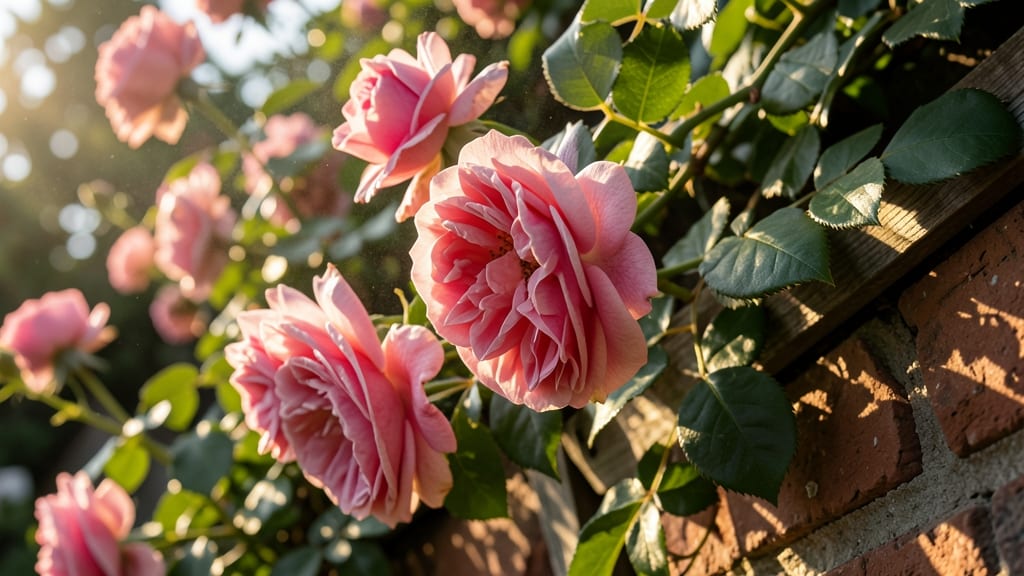
If you crave a climbing rose that rewards you with velvety pink blooms and a scent so intoxicating it lingers in the air, Zéphirine Drouhin is your dream variety. This legendary repeat bloomer thrives in full sun and handles heat better than most, making it perfect for hot climates where other roses wilt.
Plant it on a sturdy trellis or arbor where its arching vines can reach their full potential—up to 15-20 feet if given proper support. The key to its year-round blooming is light pruning in early spring to remove dead wood, followed by deadheading spent blooms to encourage new growth. Mulch around the base to retain moisture and protect roots from extreme heat.
Gardeners in Southern states or urban heat islands will appreciate how this rose stays lush and fragrant even when temperatures rise. Its disease resistance and adaptability make it a low-maintenance star for vertical gardens. 🌻
New Dawn Climbing Rose
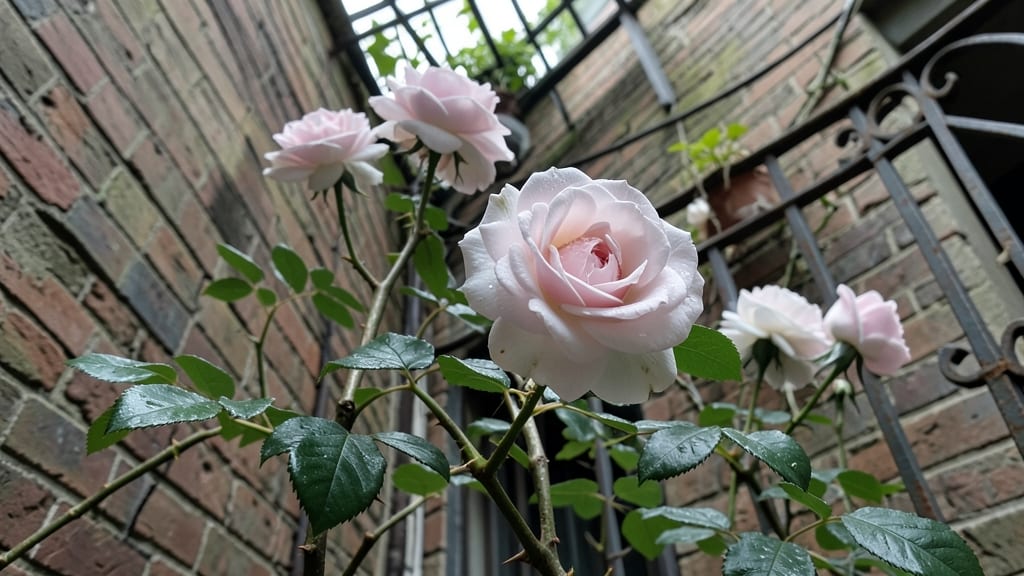
If you’ve ever dreamed of roses blooming year-round but lack a sun-drenched backyard, New Dawn is your answer. This classic climbing rose thrives in partial shade, making it perfect for urban balconies, courtyard walls, or even shaded patios where other roses would struggle.
What sets New Dawn apart is its disease resistance—a rarity in roses—and its delicate peach-pink blooms that appear in clusters from spring through frost. Unlike sun-loving varieties, it tolerates 3–6 hours of morning sun and afternoon shade, ideal for city dwellers with limited light. Prune lightly in late winter to encourage fresh growth, and enjoy fragrant blooms without the fuss.
Urban gardeners and small-space enthusiasts will love how New Dawn transforms vertical spaces into lush, low-maintenance displays. Its adaptability makes it a standout for those who want romance without the high-maintenance demands. 🌷
Blaze Climbing Rose
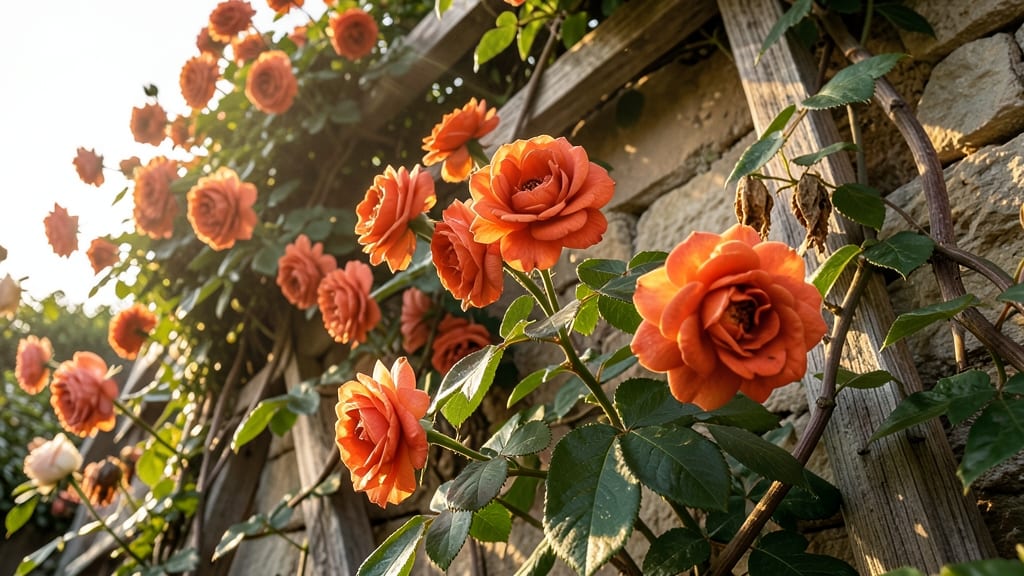
When summer heat makes other roses wilt, the Blaze Climbing Rose thrives with its bold, fiery orange-red blooms that refuse to fade. This heat-tolerant variety is a lifesaver for Southern gardens, where extreme temperatures often leave roses struggling to survive—let alone bloom continuously.
This powerhouse handles full sun exposure and high humidity better than most, producing clusters of vibrant flowers from spring through fall. The bright blooms also act as a pollinator magnet, attracting bees and butterflies to your garden. For best results, plant in well-draining soil and provide regular watering—though it’s more drought-resistant than many roses.
Perfect for gardeners in zones 6-10, the Blaze Climbing Rose adds a dramatic pop of color to fences, trellises, or arbors without requiring constant care. Its ability to withstand heat makes it a standout choice for those who want year-round blooms in challenging climates. 🌻
Mermaid Climbing Rose
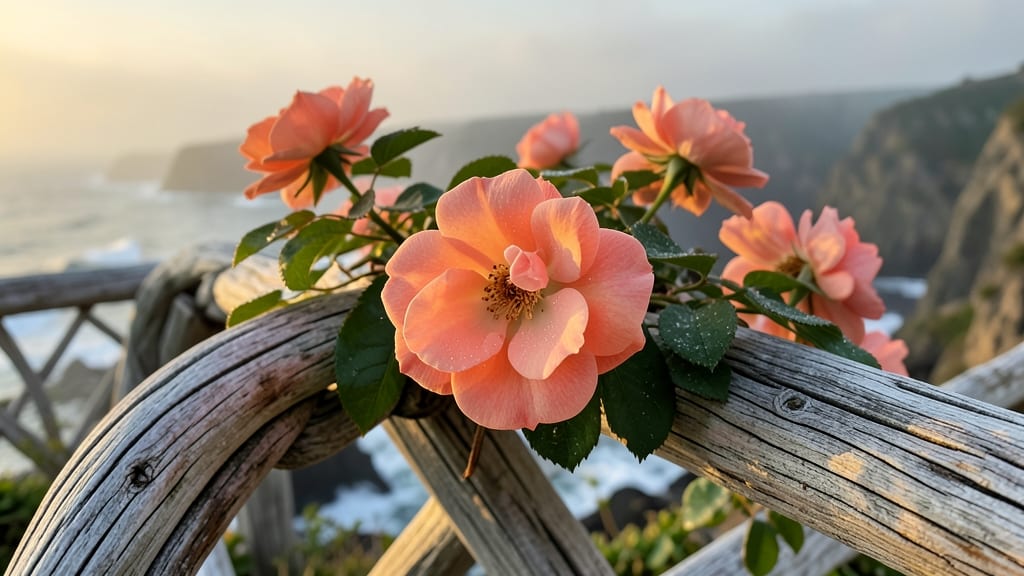
If you live near the coast and dream of fragrant roses but dread the salt air ruining your plants, the Mermaid Climbing Rose is your answer. This salt-tolerant beauty thrives where most roses would wither, producing coral-pink blooms with a spicy, exotic fragrance that fills the air with a tropical vibe.
Plant it in well-draining soil with 6 hours of sun daily, and protect it from harsh afternoon winds with a sturdy trellis or fence. Its spicy-sweet scent is especially intoxicating in coastal gardens, where the ocean breeze carries its aroma through the air. Prune lightly after blooming to encourage more flowers and remove any dead or damaged canes to maintain its vigor.
Coastal gardeners and those with limited space will love how this rose adds vertical interest without demanding extra care. It’s the perfect choice for seaside gardens where beauty meets resilience. 🌻
Albertine Climbing Rose
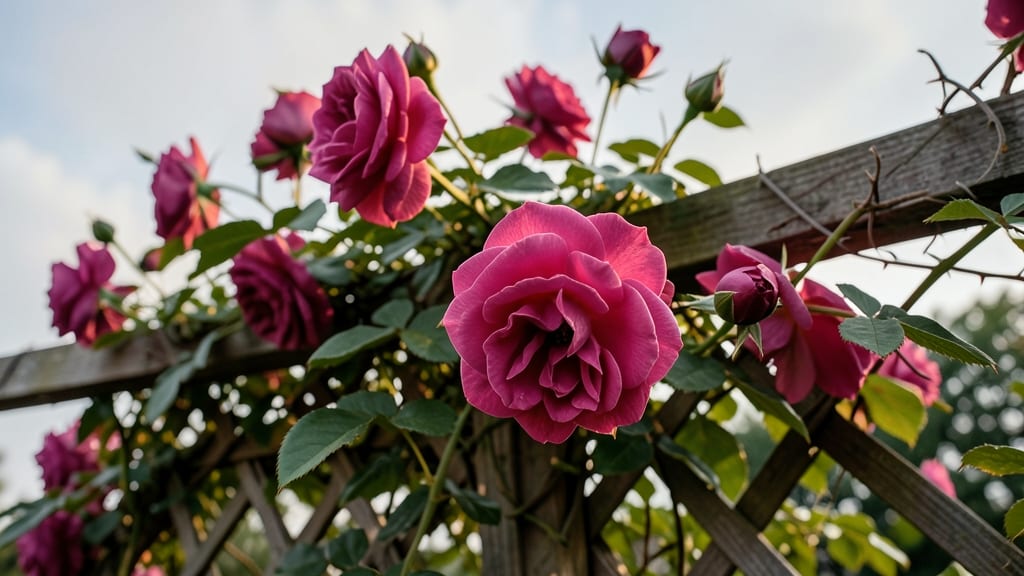
If you live in the Southeast and struggle with roses wilting in the humidity, Albertine Climbing Rose is your solution. This variety thrives where others fail, delivering deep pink, velvety blooms that stay vibrant even in muggy summers.
What makes it stand out? Its exceptional disease resistance means fewer black spots and powdery mildew—common woes for humid climates. Plant it in well-draining soil with morning sun and afternoon shade for best results. With minimal fuss, it rewards you with year-round blooms and glossy foliage.
Perfect for gardeners who want low-maintenance elegance, Albertine adds a touch of old-world charm to arbors, trellises, or fences. 🌻
Iceberg Climbing Rose
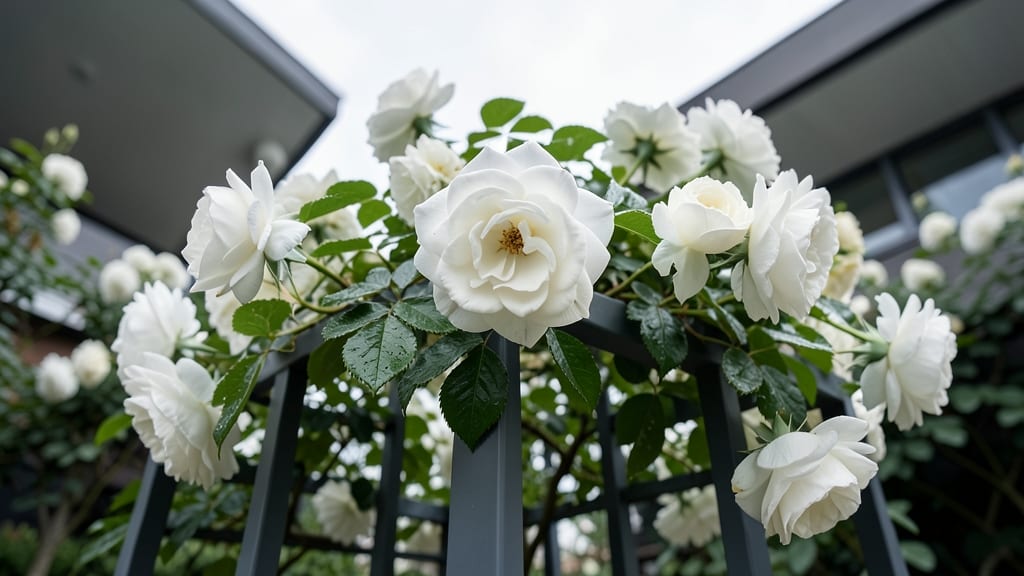
If you love clean, modern garden designs but still crave abundant blooms, the Iceberg Climbing Rose is your perfect match. Unlike many roses that fade in summer heat, this variety thrives in humid climates while maintaining its snow-white, pristine petals—ideal for sleek trellises, arbors, or even container gardens.
This repeat-blooming rose produces clusters of double blooms from spring through fall, with minimal deadheading required. Plant it in well-draining soil with 6 hours of sun daily for best results, and prune lightly in late winter to encourage new growth. Its disease-resistant nature makes it low-maintenance, perfect for busy gardeners.
Urban gardeners and minimalist designers will appreciate how Iceberg’s glossy foliage and bright blooms add structure without overwhelming the space. Pair it with dark foliage plants for a striking contrast. 🌱
John Cabot Climbing Rose
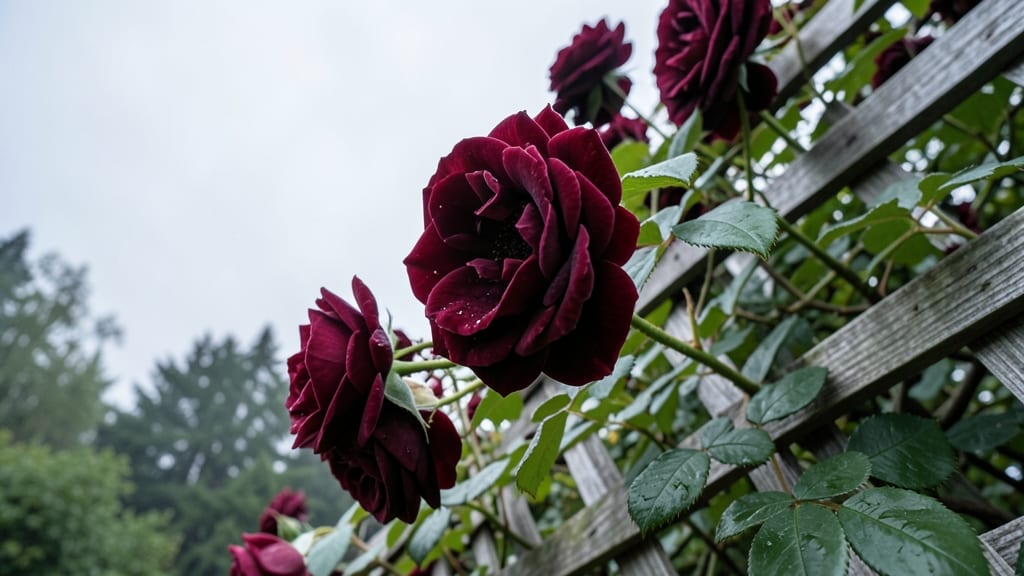
If you live in a cooler climate where traditional roses struggle to rebloom, the John Cabot Climbing Rose is your secret weapon. This English-style rose produces deep burgundy blooms that thrive in zones 5-9, making it a standout for Northern gardens that often miss out on summer-long color.
Unlike heat-loving varieties, John Cabot performs best with 4-6 hours of sun and tolerates cooler temperatures better than most climbing roses. Its velvety petals and golden centers create a dramatic contrast against lush green foliage, while its repeat-blooming nature ensures continuous color from early summer through fall. Prune lightly in late winter to encourage new growth, and watch it climb trellises or fences with ease.
Perfect for gardeners in USDA zones 5-9, this rose brings year-round structure to cottage gardens, stone walls, or even urban balconies. Its disease resistance means less fuss and more blooms—ideal for those who want beauty without the constant care. 🌻
The Fairy Climbing Rose
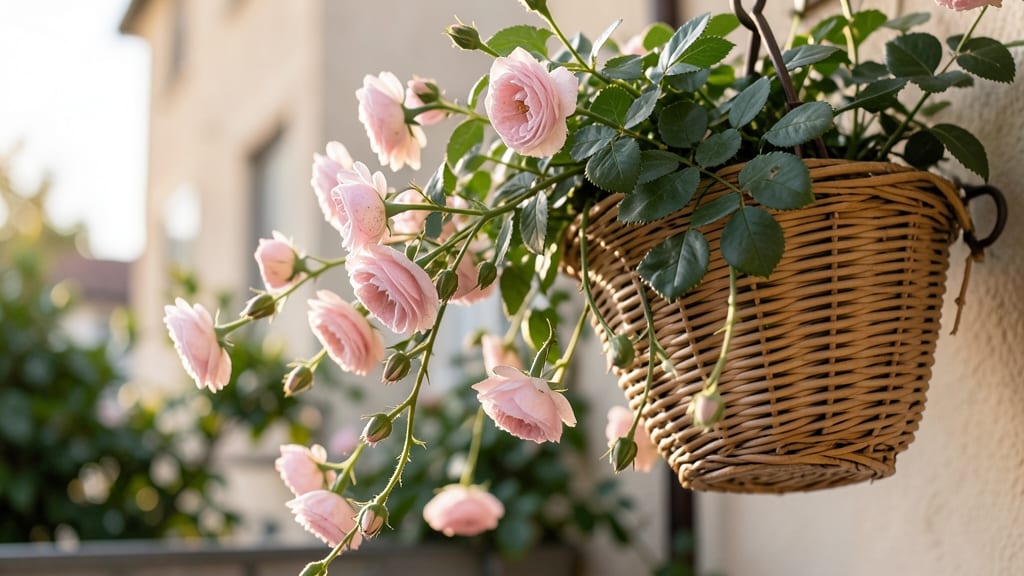
If your balcony or small patio feels too cramped for traditional climbing roses, The Fairy Climbing Rose is your secret weapon—packing year-round color into tiny, delicate pink blooms that spill gracefully over containers. This dwarf variety grows just 3-5 feet tall, making it ideal for hanging baskets, window boxes, or small trellises where space is at a premium.
Unlike its larger cousins, this rose thrives with minimal maintenance—water when the top inch of soil feels dry and feed monthly with a balanced rose fertilizer. Its disease-resistant foliage ensures it stays healthy even in humid conditions, while its continuous blooming habit means you’ll enjoy flowers from spring through frost. Prune lightly after each flush of blooms to encourage more cascading growth.
Perfect for urban gardeners, apartment dwellers, or anyone with limited space, this rose proves that big beauty doesn’t require big gardens. Just add a sturdy container and watch your tiny corner transform into a romantic, fragrant oasis. 🌻
Climbing Cecile Brunner
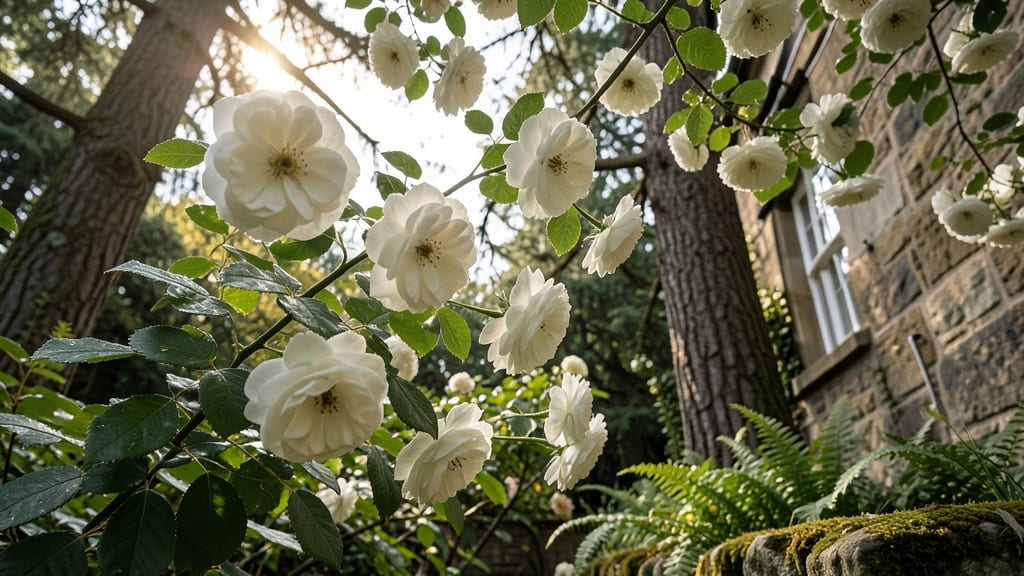
For gardeners who dream of fragrant roses but lack a sun-drenched backyard, Climbing Cecile Brunner delivers a dreamy solution with its tea rose-scented white blooms that thrive in partial shade. This versatile climber transforms woodland gardens, shaded patios, or even the north side of your home into a romantic retreat where dappled sunlight creates a magical atmosphere.
Unlike sun-loving roses, Cecile Brunner performs beautifully with just 3-6 hours of sunlight daily, making it perfect for understory plantings or areas where full sun isn't available. Its disease-resistant foliage and repeat-blooming habit ensure continuous fragrance from early summer through fall, while its arching vines can reach 12-15 feet when supported on trellises or pergolas. Simply prune lightly after blooming to maintain shape and encourage more flowers.
Woodland gardeners, shade-loving enthusiasts, and those with limited sunlight will appreciate how this rose brings year-round vertical interest without demanding full sun exposure. Its delicate fragrance and lush growth make it a standout for creating serene, fragrant corners in any garden. 🌿
Rambling Rector Climbing Rose

For gardeners who want to support local wildlife while enjoying year-round beauty, the Rambling Rector Climbing Rose delivers both. This vintage variety produces delicate soft pink blooms that transition into abundant golden rose hips—a vital food source for birds and pollinators during winter months when other gardens go bare.
Thriving in full sun to partial shade, this hardy climber grows 15-20 feet tall, making it perfect for rustic fences, arbors, or pergolas. Unlike many roses, it requires minimal pruning—just remove dead wood in early spring and trim back overgrown branches after blooming. The hips remain on the plant well into winter, providing season-long benefits for wildlife while maintaining an elegant, romantic appearance.
Eco-conscious gardeners and those with traditional cottage-style gardens will love how this rose combines beauty with functionality. Its disease resistance and adaptability make it a low-maintenance choice that keeps blooming—and feeding local ecosystems—throughout the seasons. 🌿