
Blooming
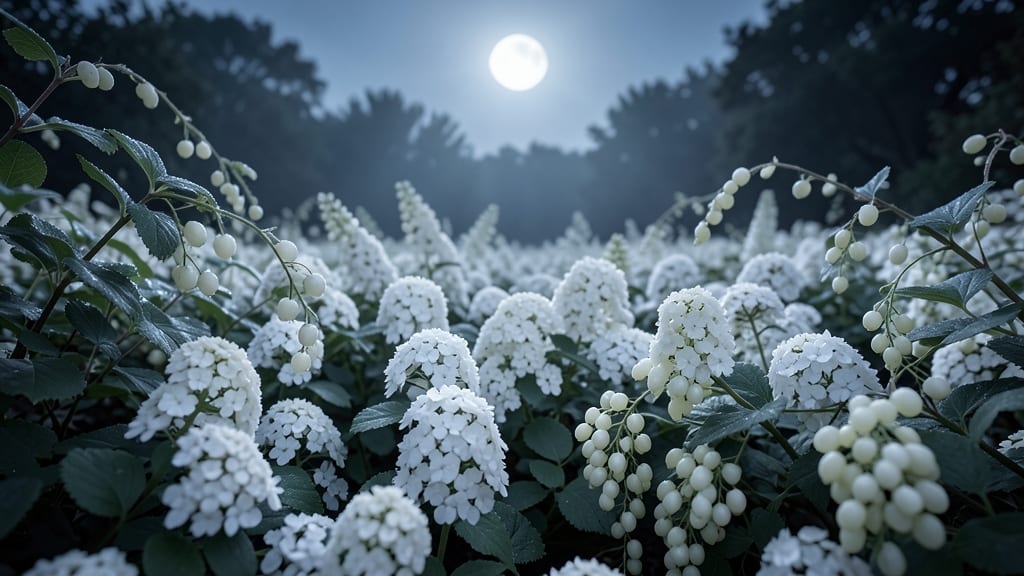
Transform your garden into a vibrant, pollinator-friendly haven with these year-round bloom and berry designs. These strategic plant combinations ensure continuous color, wildlife support, and seasonal interest.
Four-Season Hosta and Blueberry Border
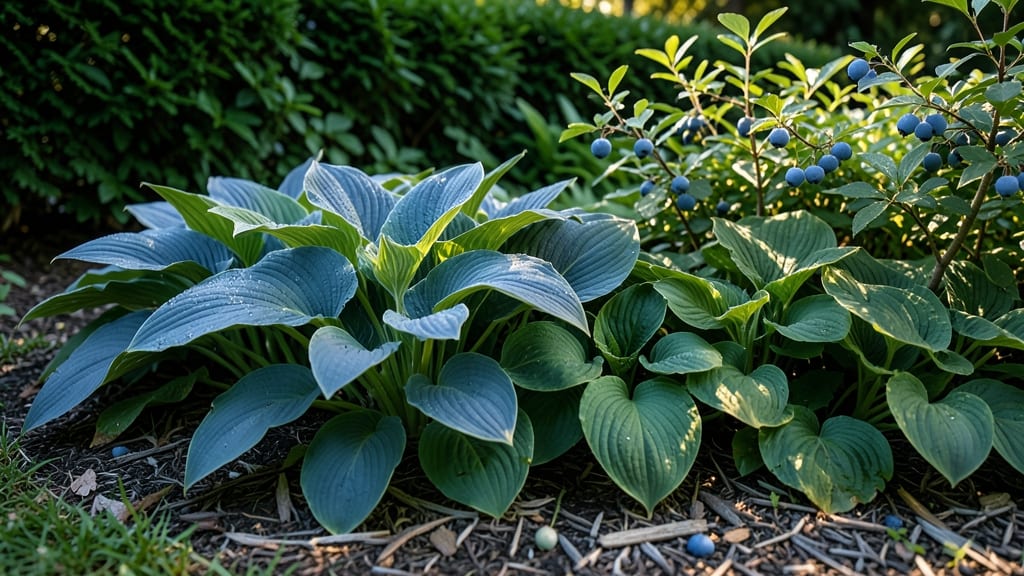
Tired of shady garden corners that feel dull and unproductive? A four-season hosta and blueberry border transforms those forgotten edges into a lush, wildlife-friendly paradise that delivers both beauty and bounty with minimal effort.
Start by pairing evergreen hosta varieties like 'Blue Angel' or 'Halcyon' with low-maintenance blueberry bushes (choose rabbiteye for southern climates or highbush for cooler zones). The hostas provide year-round structure with their bold foliage, while blueberries offer summer blooms and edible berries that persist into fall. This combo thrives in partial to full shade, making it perfect for northern exposures or tree underplantings.
Birds adore the berries, butterflies visit the hosta blooms, and you get fresh fruit without the fuss of pruning or staking. Ideal for beginners or busy gardeners, this border proves shady spaces can be just as vibrant—and delicious—as sunny ones. 🌿
Pollinator Magnet: Lavender and Currant Perennial Beds
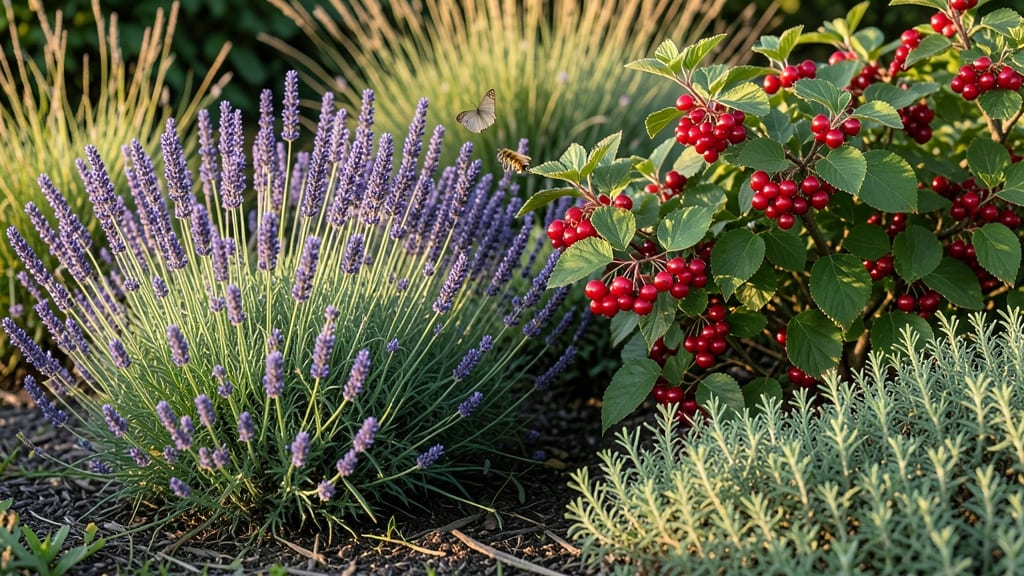
Turn a quiet corner of your garden into a buzzing hub for bees and butterflies with a lavender and currant perennial bed. This powerhouse combo delivers fragrant blooms that pollinators can't resist while rewarding you with sweet, edible currants—all while requiring minimal maintenance once established.
Plant English lavender in clusters along the front for its silvery foliage and purple spikes, then tuck red or black currant bushes behind for height and berry production. Both thrive in full sun to partial shade and well-drained soil, making them ideal for cottage gardens or pollinator corridors. The lavender's scent repels pests while attracting beneficial insects, protecting your currant harvest naturally.
This design is perfect for gardeners who love romantic, low-maintenance beds that double as food sources and wildlife havens. 🌻
Winter Interest: Holly and Winterberry Shrubs
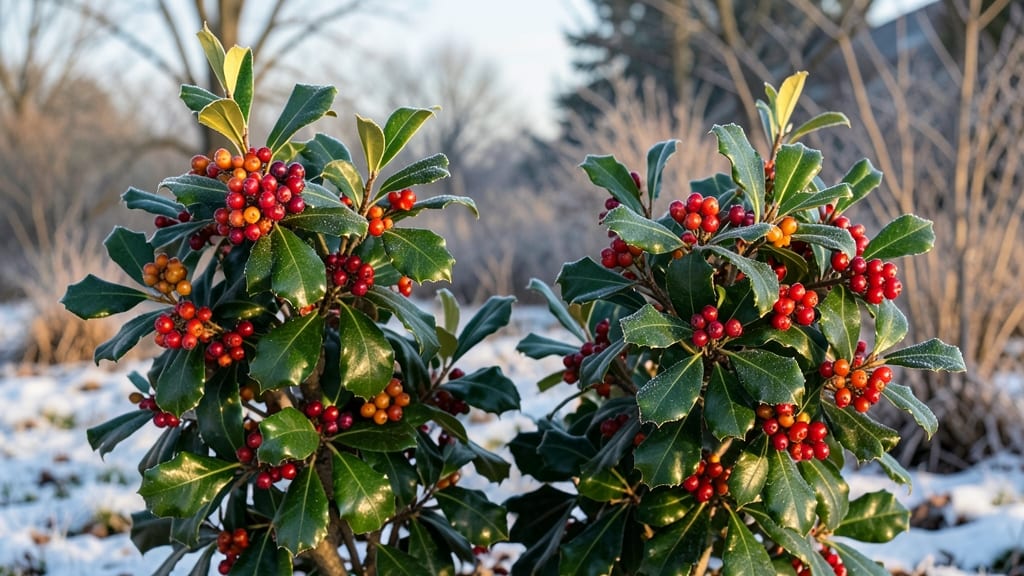
When winter steals the vibrancy from most gardens, holly and winterberry shrubs become your secret weapons for year-round drama. Their glossy leaves and fiery berries create striking focal points that defy the cold, making them perfect for gardeners in USDA Zones 3-8 who crave winter interest.
Plant evergreen holly (like 'Nellie R. Stevens' or 'Sky Pencil') for dense, year-round structure, while deciduous winterberry (Ilex verticillata) bursts with red berries in late fall that persist through winter. For best results, place them near windows or pathways where their berries can be enjoyed year-round. Both shrubs thrive in full sun to partial shade and well-drained soil.
This duo is ideal for gardeners who want low-maintenance winter beauty with minimal effort. The holly's spiny leaves also provide natural protection for birds that feast on winterberry berries. 🌟
Edible Flower Meadow: Nasturtiums and Gooseberries
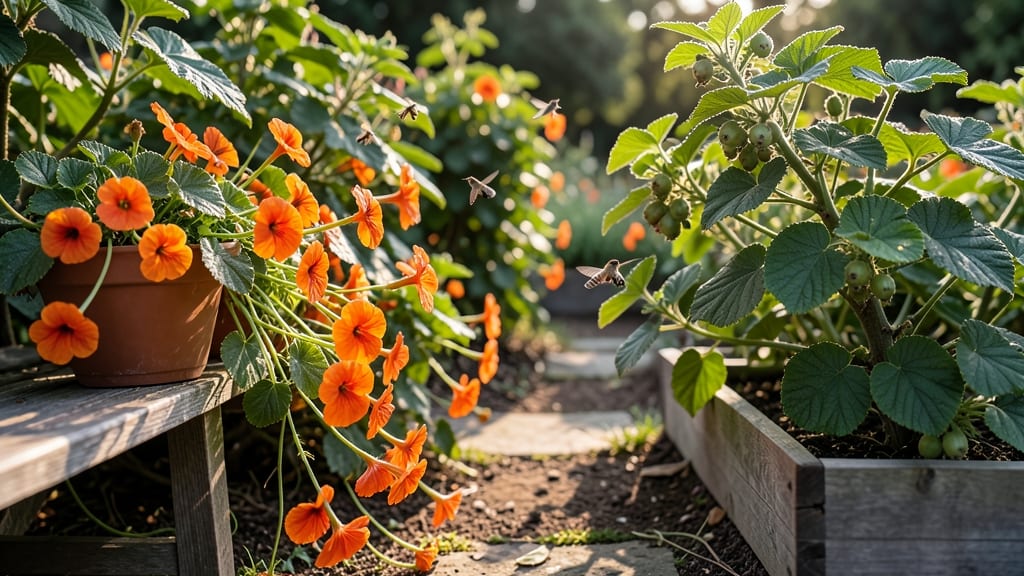
Turn your food garden into a pollinator paradise with a vibrant mix of nasturtiums and gooseberries—two powerhouse plants that deliver both beauty and bounty. This dynamic duo thrives in containers or garden beds, offering edible orange blooms that hummingbirds and bees can't resist while producing tart-sweet berries perfect for jams or fresh snacking.
Nasturtiums, with their fast-growing vines, create a colorful ground cover that deters pests naturally, while gooseberry bushes provide lush greenery and summer fruit. Plant them in full sun to partial shade, spacing gooseberries 3-4 feet apart and letting nasturtiums spill over edges. Both are low-maintenance and thrive in well-drained soil, making them ideal for beginners or busy gardeners.
This combination works especially well for urban gardeners with limited space or those looking to add edible beauty to their landscape. The bright flowers and berries will keep your garden buzzing with life while giving you a delicious harvest. 🌻
Sunny Perennial Pollinator Patch: Coneflowers and Raspberries
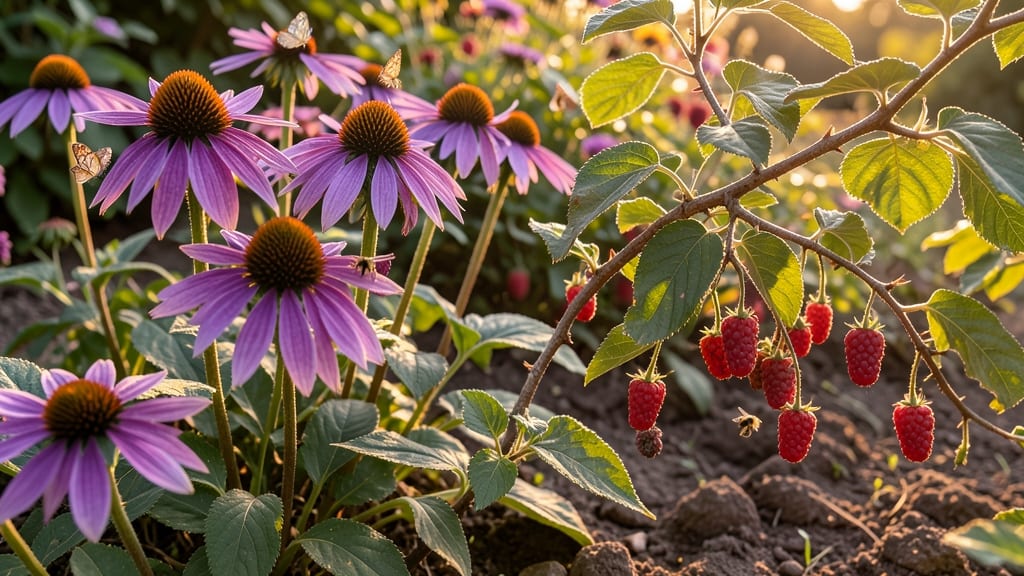
Want a garden that thrives on sunshine while feeding pollinators and producing delicious fruit? Coneflowers and raspberry canes create the perfect low-maintenance duo for sunny patches. This combination delivers year-round beauty—vibrant purple blooms from early summer through fall, followed by sweet raspberries in late summer.
Plant purple coneflowers (Echinacea) in clusters around raspberry canes to attract bees, butterflies, and hummingbirds. Raspberries prefer full sun and well-drained soil, just like coneflowers, making them ideal companions. Mulch heavily to suppress weeds and retain moisture, which both plants appreciate. The raspberries will spread gradually, while the coneflowers self-seed, creating a natural, pollinator-friendly meadow.
This design is perfect for gardeners who want minimal upkeep but maximum impact. The raspberries provide fresh fruit for you, while the coneflowers ensure your garden stays buzzing with activity. 🌻
Vertical Berry Trellis with Clematis and Blackberries
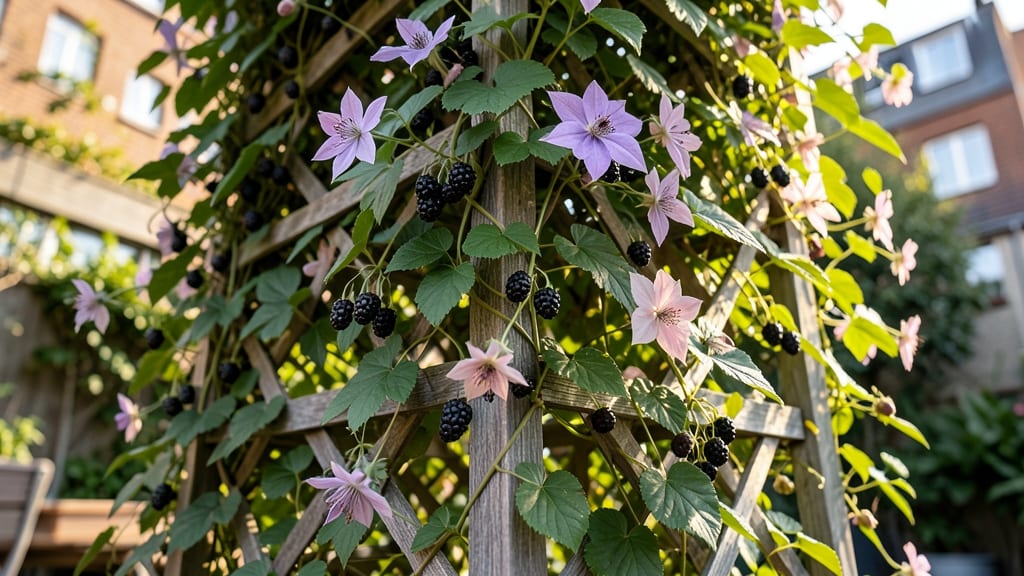
Maximize your small space with a vertical berry trellis that doubles as a stunning floral display. This clever combo pairs clematis vines (with their fragrant blooms) with thornless blackberry canes, creating a lush, edible curtain that thrives in tight spots like balconies or urban patios.
Plant clematis at the top of your trellis for early-summer blooms, then weave blackberry vines through the structure as they grow. Both love full sun (6+ hours) and well-draining soil—just ensure your trellis is at least 6 feet tall to accommodate clematis' sprawling habit. Prune blackberries after harvest to keep them tidy, and watch as bees visit the clematis flowers while birds feast on the berries later in the season.
This design is ideal for renters, city dwellers, or anyone craving year-round interest without sacrificing square footage. The vertical structure also makes harvesting easier—no more bending over! 🌻
Wildlife Woodland Edge: Elderberry and Foxglove
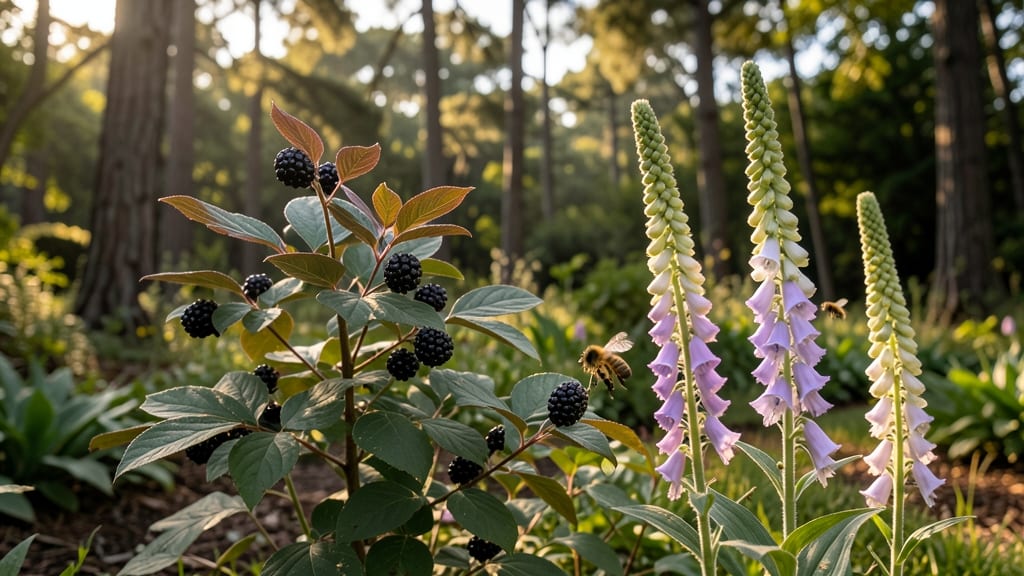
Create a magical woodland edge that thrives on minimal effort while supporting local wildlife. Pair native elderberry—a pollinator powerhouse—with foxglove, whose towering spikes add drama and late-summer blooms. This duo mimics natural ecosystems, where birds feast on elderberries and bees sip from foxglove's nectar.
Plant elderberry in partial shade to full sun with moist, well-drained soil, while foxglove thrives in similar conditions but tolerates drier spots. Space elderberry bushes 6-8 feet apart and tuck foxglove in clusters behind them for height contrast. Both are perennial, so once established, they’ll return year after year with minimal care.
This combination is ideal for gardeners who want to attract wildlife without sacrificing beauty. The elderberry’s berries feed birds through winter, while foxglove’s striking flowers add vertical interest to shady corners. 🌿
Container Garden: Strawberries and Sweet Alyssum
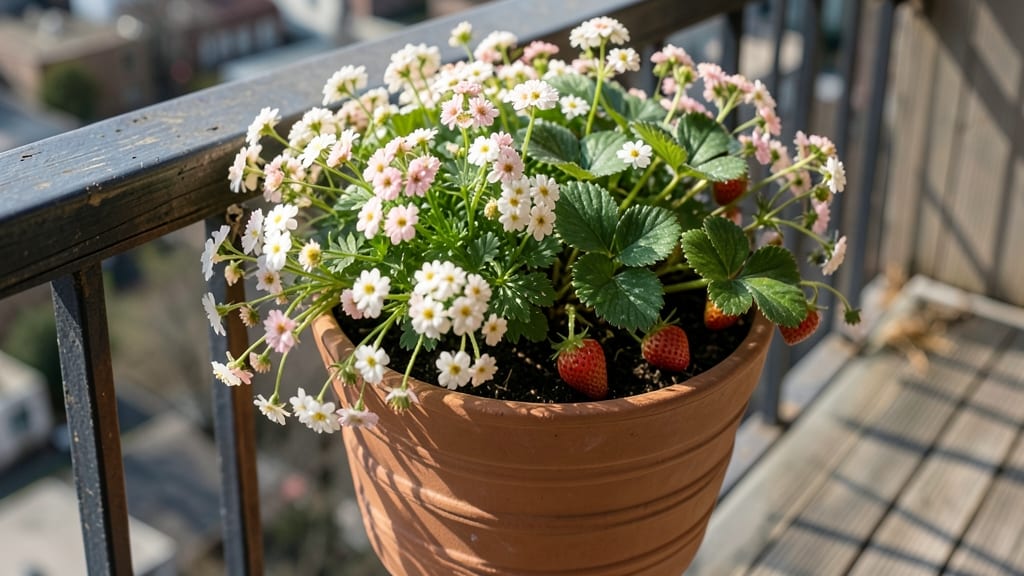
Turn even the smallest balcony into a year-round edible oasis with this dual-purpose container combo that delivers both beauty and bounty. The fragrant, honey-scented blooms of sweet alyssum appear as early as late winter, while June-bearing strawberries ripen by mid-summer—all in a single 12-inch pot.
Plant everbearing strawberry varieties (like 'Albion' or 'Seascape') in the center, surrounded by trailing sweet alyssum ('Sweet Alison' or 'Tumbling Waters'). Use a well-draining potting mix with added compost, and place in at least 6 hours of sun for maximum fruit production. The alyssum's delicate white flowers will cascade over the pot edges, creating a pollinator magnet while suppressing weeds. Harvest strawberries in late spring/early summer, then enjoy the showy blooms again in fall.
This is the perfect beginner-friendly solution for renters, urban gardeners, or anyone with limited space. You'll get edible flowers (great for salads!) and sweet berries without needing a full garden bed. 🌱
Autumn Gold: Sumac and Viburnum Berries
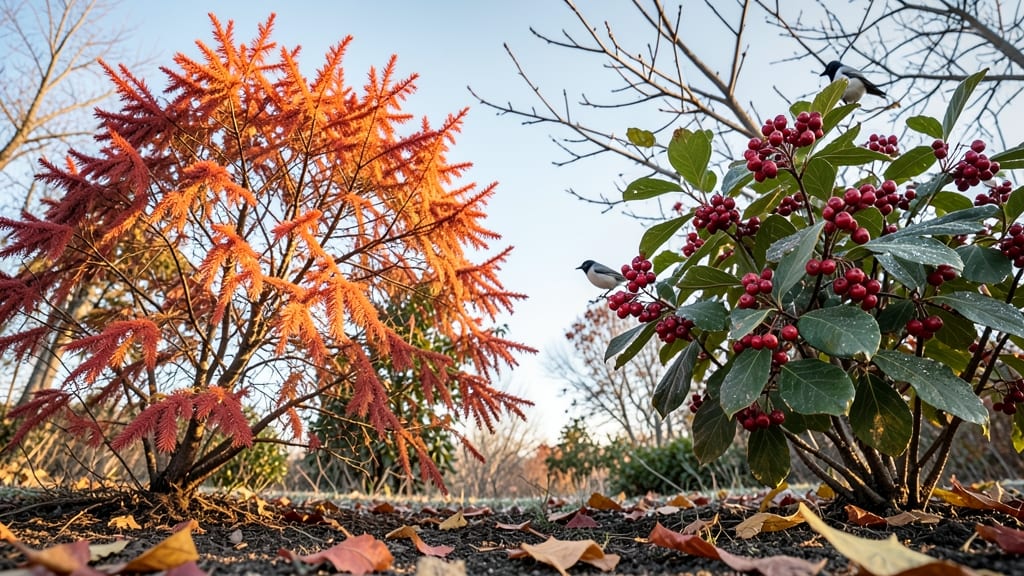
When your garden needs a bold splash of color that lasts well beyond summer, turn to sumac and viburnum—two native shrubs that transform into fiery autumn showstoppers. Their berries persist through winter, offering food and shelter for birds and other wildlife long after other plants have faded.
Staghorn sumac (with its velvety red clusters) and winterberry viburnum (deep purple-black berries) thrive in full sun to partial shade and require minimal water once established. Plant them in groups for maximum impact, or use them as focal points in low-water landscapes. Their drought tolerance makes them ideal for eco-conscious gardeners.
Perfect for beginner gardeners and wildlife enthusiasts, these shrubs demand little care but deliver year-round interest. Plus, their native status means they support local ecosystems without needing fertilizers or pesticides. 🌻
Moon Garden: White Hebe and White Currants

Transform your garden into a magical evening retreat with a moon garden featuring white hebe and white currants. These plants thrive in the soft glow of moonlight, releasing their fragrant blooms when most gardens are asleep, creating a serene and enchanting atmosphere.
The white hebe (Hebe 'White Gem') produces delicate, fragrant flowers that attract nocturnal pollinators like moths and bats, while the white currants offer sweet, edible berries that ripen in late summer. Plant them in partial shade to full sun, ensuring they receive at least 4-6 hours of sunlight daily for optimal growth. Their contrasting textures—hebe’s slender stems and currants’ lush foliage—add visual interest to any romantic landscape.
Perfect for gardeners who love low-maintenance yet high-impact designs, this pairing is ideal for creating intimate seating areas, garden paths, or as a stunning backdrop for evening gatherings. 🌟