
Blooming
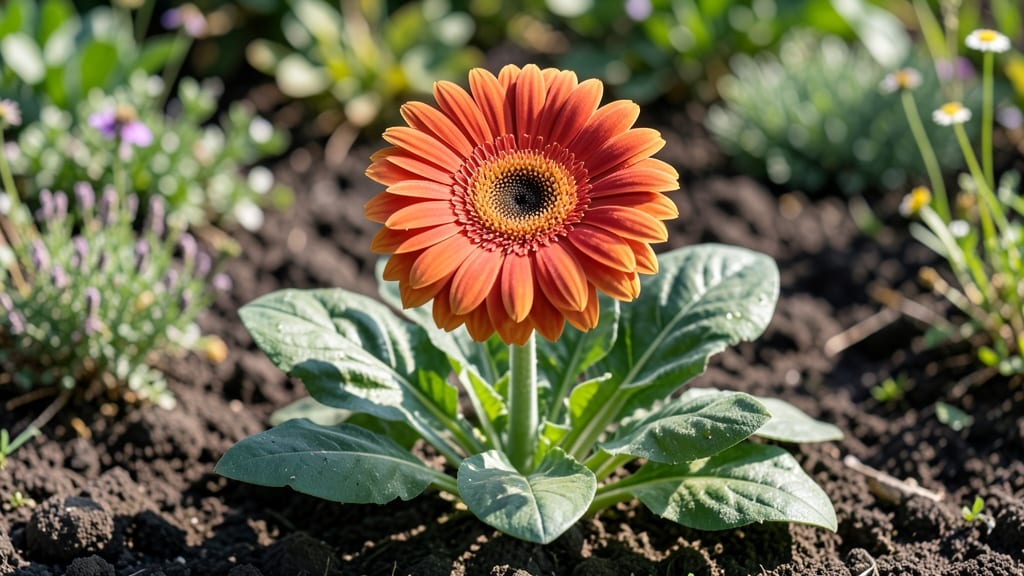
Gerbera daisies bloom when the sun hits just right—spring through summer is their prime time, but timing varies wildly by zone. 🌞 I’ve watched mine explode with color in May one year, then wait until July the next, depending on how quickly the soil warms.
The key isn’t just the calendar; it’s the balance of sunlight, soil warmth, and consistent moisture that triggers those vibrant blooms.
In cooler climates (zones 8-10), gerberas often start blooming in late spring as temperatures rise above 60°F, while in warmer zones (9-11), they may begin as early as March if given enough light.
The secret? Plant them in full sun (6+ hours daily) and keep the soil evenly moist but never soggy—drought stress delays blooms, while overwatering rots the roots before they can flower.
With the right conditions, you’ll see the first buds appear in 4-6 weeks after planting, followed by weeks of continuous blooms if you deadhead spent flowers.
My gerberas in containers even rebloom into early fall if I fertilize lightly every 4 weeks—proof that timing isn’t just about luck, but about working with (not against) their natural rhythm.
For extended color, plant gerberas in warm-season succession—stagger batches every 2 weeks from late spring to early summer. This ensures you’re never without blooms, and the vibrant mix of colors becomes a garden highlight from May through September.
The trade-off? A little more planning, but the payoff is worth it.
📚 In This Guide
- What you need
- Instructions
- Tips and common mistakes
- Wrapping up and next steps
What you need
- ● Gerbera daisy plants: 3–5 healthy plants (potted or bare-root, depending on your setup). Choose varieties like 'Red Torch' or 'Green Ice' for diverse bloom times.
- ● Well-draining potting mix: 1–2 bags (5–10 quarts each) of a light, airy blend (e.g., 60% peat moss, 30% perlite, 10% compost). Avoid heavy clay soil!
- ● Containers: Pots: 6–8-inch diameter containers with drainage holes (1–2 per plant). Terracotta or plastic both work!
- ○ Garden beds (optional): Loosen soil to 12 inches deep if planting outdoors.
- ● Fertilizer: Balanced liquid fertilizer: 10-10-10 or 20-20-20 (diluted to half-strength). Use every 2–3 weeks during active growth.
- ○ Slow-release granules (optional): 1 cup per plant (e.g., 14-14-14) mixed into soil at planting.
- ● Watering can or hose with gentle nozzle: 1–2 gallons capacity for consistent moisture control.
- ● Full-sun location: 6+ hours of direct sunlight daily (south-facing window, greenhouse, or outdoor space). No shortcuts—gerberas are sun-worshippers!
- ○ Grow lights (optional for indoor setups): 1–2 LED full-spectrum lights (12–16W per plant) on a 12-hour timer.
- ○ Thermometer/hygrometer (optional): To monitor temps between 60–75°F (15–24°C)—gerberas hate heatwaves or frost!
- ● Sharp pruning shears: 1 pair (sterilized with rubbing alcohol). Snip spent blooms just above the next leaf node to encourage reblooming.
- ○ Gloves (optional):strong> 1 pair to protect hands from sap (which can irritate skin).
- ● 🌡️ Temp hack: If blooms open too fast (or not at all), move plants to a cooler spot (50–55°F/10–13°C) at night to slow down or trigger blooming.
- ● ✨ Color control: Red/pink gerberas thrive in warmer temps (70–75°F), while whites/yellows prefer cooler (60–65°F).
How to time gerbera daisy blooms for season-long color
Sunlight is the real secret to gerbera daisies—get this right and you'll enjoy vibrant blooms for months.
☀️ Step 1: Position for Full Sun Exposure
Gerberas crave 6-8 hours of direct sunlight daily. Place them in a spot that gets morning sun plus afternoon light—evenings help too. I always check by observing the sun's path through my yard first; gerberas in partial shade will stretch and produce weak stems with small blooms.
If you're using containers, move them to follow the sun's arc. A south-facing window works for patio pots, but rotate them weekly so they don't lean toward the light. You'll notice when they're happy—the leaves stay deep green, not yellowing at the edges.
💧 Step 2: Water Deeply at Soil Level
Water gerberas when the top inch of soil feels dry, but never let them sit in soggy soil. I water at the base using a gentle stream to avoid wetting the leaves—this prevents fungal diseases that cause brown spots on petals. Early morning watering gives roots time to absorb moisture before evening.
Containers dry out faster, so check them daily during hot spells. You'll see wilting leaves by midday if they're thirsty, but gerberas bounce back quickly when watered properly. Overwatering is the real enemy—roots need oxygen, not a swampy home.
✂️ Step 3: Deadhead Spent Blooms Regularly
Cut back faded blooms with clean scissors just above the next leaf set. This redirects the plant's energy into new buds instead of seed production. I deadhead mine every 2-3 days during peak bloom season—it keeps the plant looking tidy and encourages nonstop color.
Don't skip this step! A gerbera left to go to seed will stop flowering within 2 weeks. You'll notice new buds forming at the base of the plant within 5-7 days of consistent deadheading. For container plants, trim back any leggy stems too—they won't produce quality blooms.
🌱 Step 4: Feed Monthly During Growing Season
Use a balanced 10-10-10 fertilizer every 4 weeks from spring through fall. I mix it with water and apply it directly to the soil, avoiding the foliage. Gerberas are heavy feeders, and you'll see the difference in 2-3 weeks—bigger blooms and thicker stems.
Stop fertilizing in late summer to let the plant prepare for dormancy. You'll know it's ready when new growth slows and leaves start turning slightly yellow at the edges. This natural slowdown prevents weak stems that can't support heavy blooms.
⏰ Step 5: Adjust Care for Seasonal Changes
In summer, gerberas need more frequent watering—sometimes daily. I check soil moisture every morning and water if the top inch is dry. Mulch helps retain moisture, but keep it 2 inches away from stems to prevent rot.
For fall, reduce watering gradually as temperatures drop. You'll see fewer new blooms but more vibrant colors on existing flowers. In winter, move container gerberas to a sheltered spot or indoors where temperatures stay above 40°F. They'll go dormant but bounce back quickly in spring with proper care.
Tips & tricks for perfect gerbera daisy blooms
Took me years to figure out these sunlight secrets—here's how to maximize those stunning gerbera blooms.
Sunlight Strategy: I always check my yard's sun patterns before planting. Use a white board or chalk to mark sun paths throughout the day—gerberas need that full 6-8 hours of direct sunlight. If your space only gets morning sun, consider adding a portable grow light for 4-6 hours in the afternoon. The key is consistency: morning sun builds energy, while afternoon sun helps develop those vibrant petals.
Watering Wisdom: The top inch dry test works perfectly, but I've learned to adjust for containers. They dry out faster, so I check them every morning during summer heat. Use a moisture meter for containers—it's worth the investment. And always water at the base, never overhead. I've seen so many gerberas develop brown spots from wet leaves, which ruins that perfect bloom.
Deadheading Discipline: That 2-3 day schedule during peak season is non-negotiable. I set a phone reminder because I've seen gerberas stop flowering within days of neglecting this step. Use sharp scissors and cut just above the next leaf set—this redirecting trick works wonders. You'll notice new buds forming within 5-7 days if you're consistent. For container plants, trim those leggy stems too—they won't produce quality blooms.
Seasonal Transition: The 40°F winter threshold is critical for container gerberas. I keep mine in an unheated garage with good ventilation. In spring, I gradually reintroduce sunlight—about 2 hours more per week—to avoid shocking the plants. This slow transition helps them bounce back stronger. The yellowing edges in late summer are actually a good sign—they're preparing for dormancy naturally.
Pro Tips for Gerbera Daisy Bloom Time
- Took me years to figure out these sunlight secrets—here's how to maximize those stunning gerbera blooms.
- Sunlight Strategy: I always check my yard's sun patterns before planting. Use a white board or chalk to mark sun path...
- Watering Wisdom: The top inch dry test works perfectly, but I've learned to adjust for containers. They dry out faste...
Frequently asked questions
Got questions about timing, care, or troubleshooting your gerbera daisies?
Here are answers to the most common ones—so you can enjoy those vibrant blooms all season long!
When is the best time of year for gerbera daisies to bloom?
Gerbera daisies typically bloom from late spring to early fall (May–October in most U.S. zones), but timing depends on your climate. In warmer regions (zones 8–11), they may bloom year-round with proper care. Cooler climates (zones 3–7) often see peak blooms in summer. Plant them after the last frost for best results!
How long does it take for gerbera daisies to bloom after planting?
With ideal conditions (full sun, well-draining soil, and regular watering), gerbera daisies usually bloom within 8–12 weeks after planting. Cut back spent blooms to encourage continuous flowering throughout the season. Patience pays off—these cheery flowers are worth the wait!
Why aren’t my gerbera daisies blooming, even though they have lots of leaves?
Overwatering, poor sunlight, or nutrient imbalances (like too much nitrogen) can stunt blooms. Ensure they get 6+ hours of direct sun daily and well-draining soil. Fertilize lightly with a low-nitrogen, high-phosphorus formula (like 5-10-5) to promote flowering. Yellow leaves? That’s a sign of overwatering—let the soil dry slightly between waterings!
Can gerbera daisies bloom indoors, or do they need to be outside?
While gerbera daisies thrive outdoors, they can bloom indoors near bright, south-facing windows with a grow light supplement (12–14 hours/day). However, indoor blooms may be smaller or less frequent due to limited sunlight. For best results, grow them outside during warm months and bring pots indoors before frost—just avoid drafts!
Do gerbera daisies bloom in winter, or should I dig them up?
In cold-hardy zones (5–7), gerbera daisies can survive winter if mulched heavily (4–6 inches of straw or leaves). In colder zones (below 5), dig up tubers, trim foliage, and store them in dry peat moss or sand at 40–50°F until spring. Replant after the last frost for a spring rebloom!
Wrapping up and next steps
Your gerbera daisies are ready to burst into vibrant color—thanks to sunlight, care, and a little patience! 🌸 By understanding their bloom time and needs, you’re well on your way to a garden bursting with cheerful blooms.
Now’s the perfect moment to put your knowledge into action: start monitoring sunlight exposure, adjust care routines, and watch your gerberas thrive.
Ready to transform your space? Grab your gardening tools and give your daisies the love they deserve—your future blooms will thank you! 🌞