
Blooming
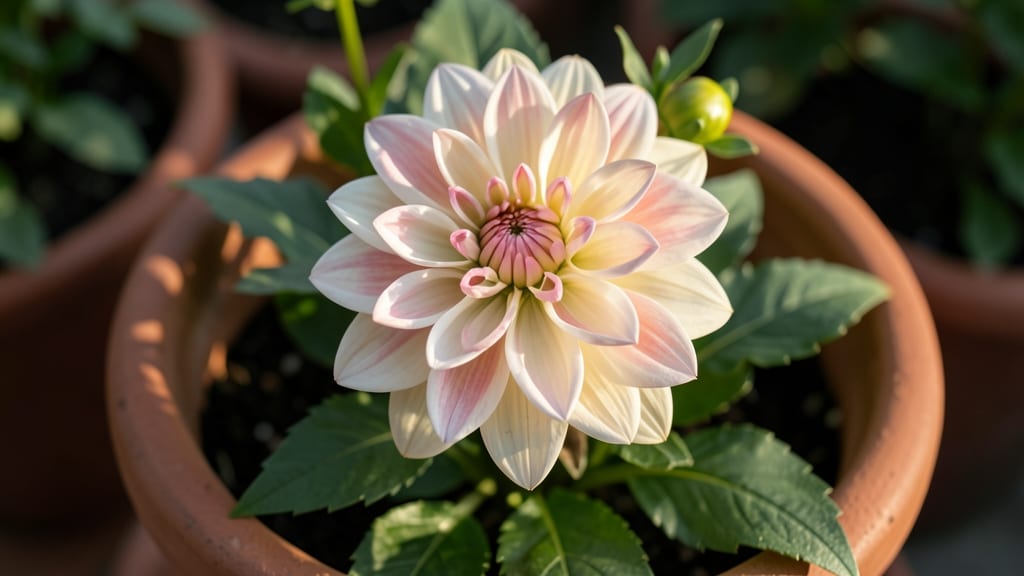
September brings a stunning second act to your garden with flowers that defy autumn's chill. These late-blooming stars add vibrant color, fragrance, and texture just as summer fades—perfect for extending your seasonal beauty.
Japanese Anemone for Elegant Late-Season Grace
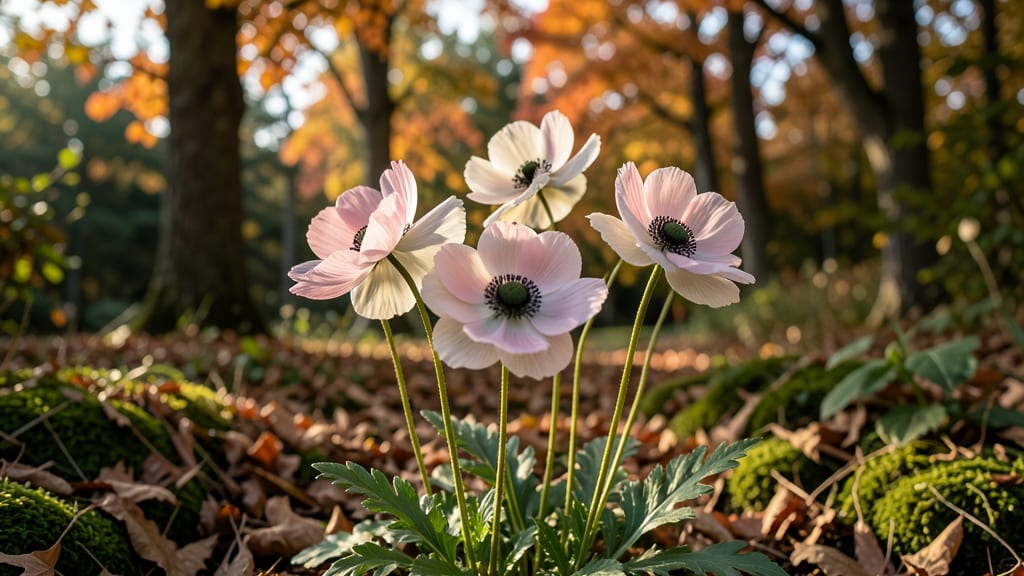
When your garden starts to feel a little tired by September, Japanese anemone steps in with its dreamy, pink or white blooms that dance in the breeze. This underrated beauty thrives where others falter—in shady spots under trees or in woodland gardens—making it your secret weapon for late-season elegance.
Plant Japanese anemone in partial to full shade and well-draining soil, and it will reward you with cheerful blooms from late summer through October. Its delicate petals attract bees and butterflies, giving your garden a second wind when other flowers have faded. For best results, deadhead spent blooms to encourage more flowers and protect the plant from harsh winds.
Perfect for gardeners with shady spots or those who love a low-maintenance yet striking addition, Japanese anemone brings a touch of magic to any corner. 🌿
Goldenrod’s Pollinator Paradise
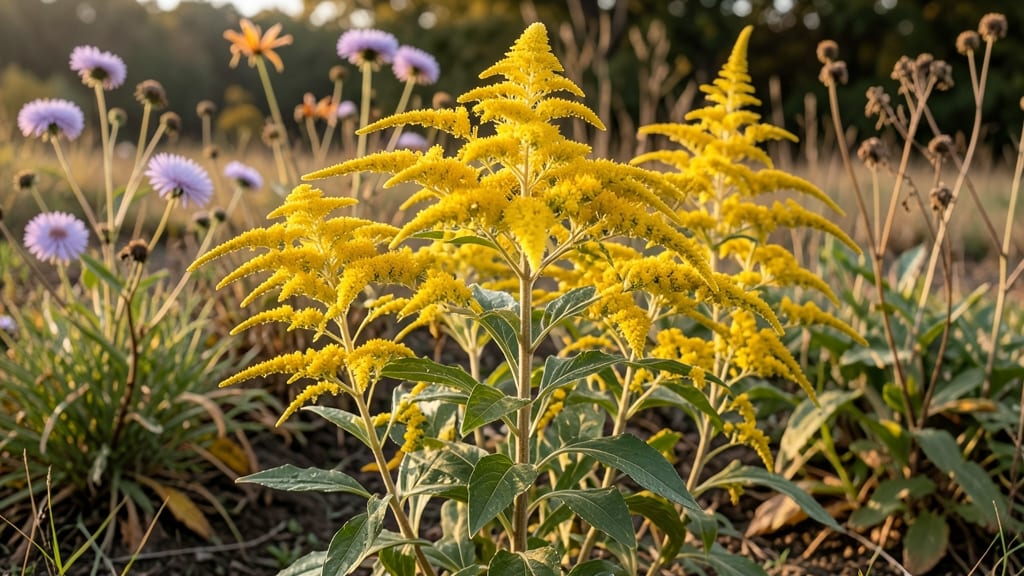
When summer blooms start to fade and bees seem to lose their dinner table, goldenrod steps in as the unsung hero of the late-season garden. This hardy native plant bursts into bright yellow plumes just as temperatures dip, creating a vital food source for pollinators when other flowers have called it quits.
Goldenrod thrives in full sun to partial shade and adapts to almost any soil type, making it a breeze to grow. Plant it in native gardens, meadows, or low-maintenance borders where its 3-5 foot stalks will add vertical interest. Unlike its villainous reputation (often blamed for allergies), goldenrod pollen is heavy and rarely causes reactions—it’s the ragweed blooming at the same time that’s the real culprit.
Perfect for eco-conscious gardeners and pollinator enthusiasts, goldenrod requires minimal care and rewards you with weeks of vibrant color. Plus, its late-season bloom extends your garden’s beauty well into October. 🌻
Asters’ Purple-Carpeted Garden Magic
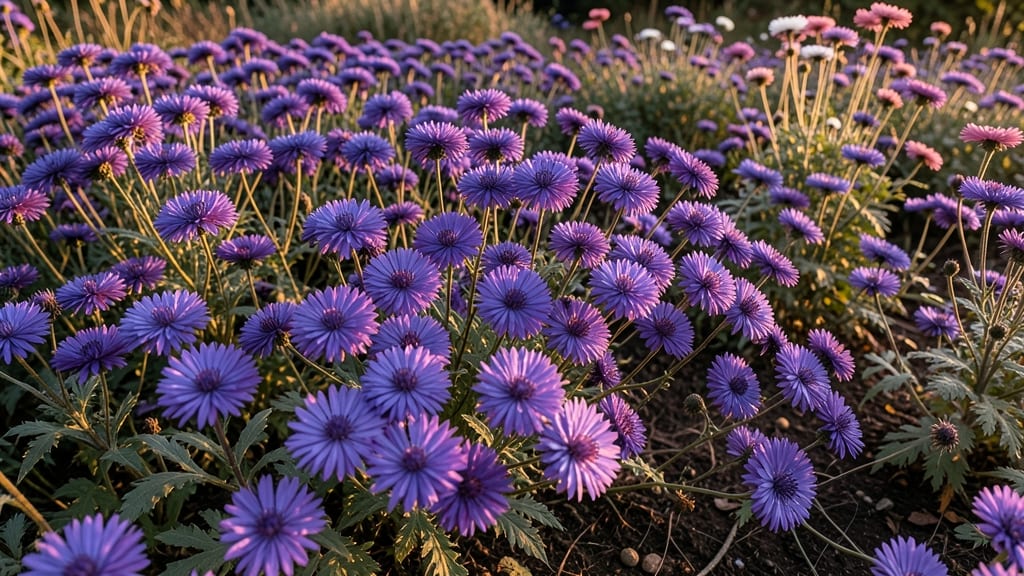
Transform your garden into a purple-carpeted wonderland with asters, the unsung heroes of fall blooms. These daisy-like charmers thrive in cool September weather when many flowers have already faded, offering a burst of deep blues and purples that last for weeks.
Plant them in full sun to partial shade for the best results, and deadhead spent blooms to encourage more flowers. Asters are also drought-tolerant once established, making them perfect for low-maintenance gardens. Their long stems make them ideal for cutting and arranging, bringing that cottage garden charm indoors.
Perfect for beginners and pollinator lovers alike, asters attract bees and butterflies while adding a touch of whimsy to any garden. 🌷
Black-Eyed Susan’s Bold Autumn Statement
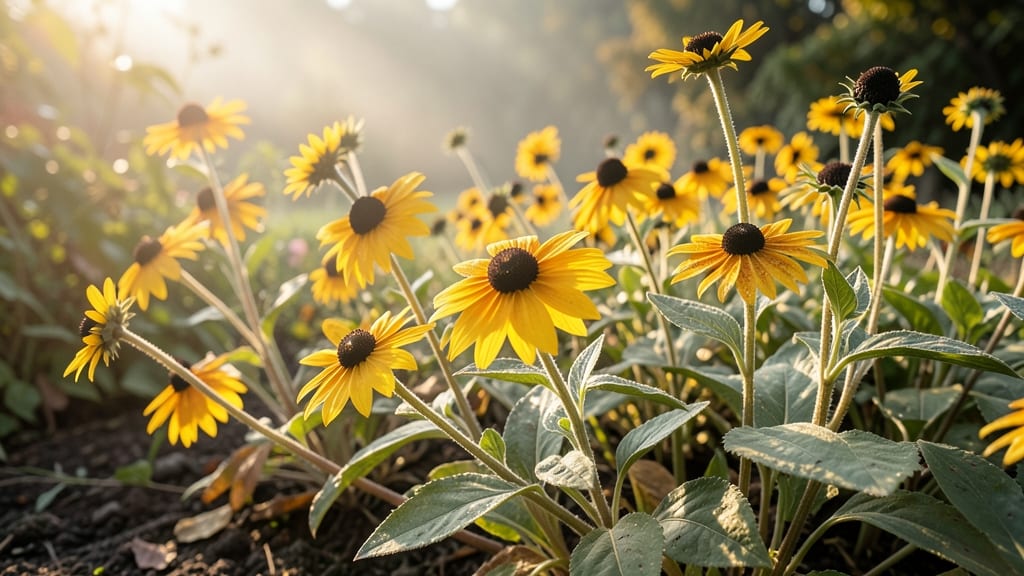
When your garden needs a sunny, carefree splash of color that thrives despite neglect, black-eyed Susans (Rudbeckia hirta) deliver. These cheerful daisy-like blooms burst into golden-yellow petals with dark brown centers, creating a warm contrast against autumn’s crisp hues.
What makes them stand out is their drought tolerance and ability to flourish in poor, rocky soil—ideal for wildflower meadows or cutting gardens where other flowers might struggle. They also attract pollinators like bees and butterflies, making them a dual-purpose powerhouse. For best results, plant them in full sun and deadhead spent blooms to encourage more flowers until frost.
Perfect for beginners or busy gardeners, black-eyed Susans bring effortless beauty with almost no fuss. 🌻
Chrysanthemums for Fall Festivity
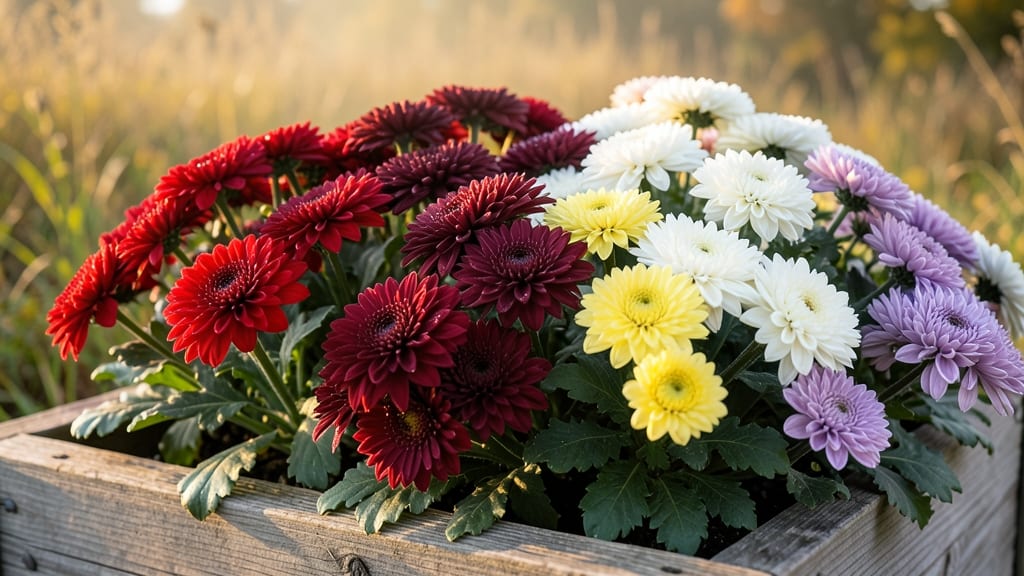
Transform your fall garden into a vibrant celebration with chrysanthemums, nature’s most versatile autumn stars. These hardy blooms offer a dazzling array of colors—from fiery reds to soft whites—and symbolic meanings tied to longevity, making them perfect for seasonal displays.
Thriving in full sun to partial shade, chrysanthemums adapt to containers, borders, or even Thanksgiving tables. Deadhead spent blooms to encourage prolonged flowering until frost, and choose compact varieties like ‘Bonanza’ for pots or sprawling types like ‘Mammoth’ for dramatic borders. Their drought-tolerant nature makes them low-maintenance yet high-impact.
Whether you're a beginner or a seasoned gardener, chrysanthemums bring effortless elegance to fall decor. Their long vase life and symbolic richness make them ideal for centerpieces, bouquets, or garden borders that welcome autumn with joy. 🌻
Russian Sage’s Fragrant Purple Spires
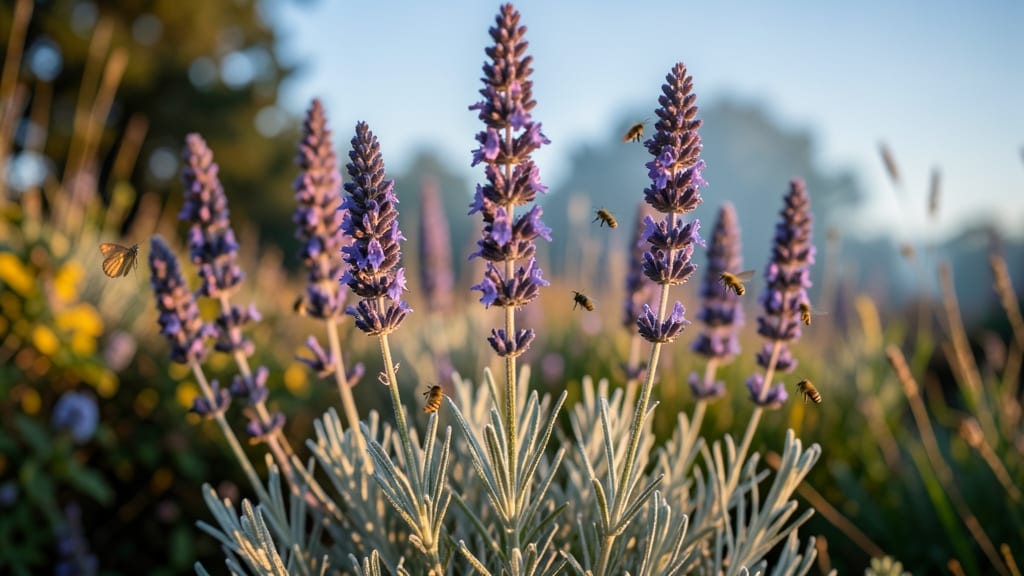
If you're craving a drought-resistant plant that thrives in September's crisp air while keeping pests at bay, Russian sage is your secret weapon. Its fragrant purple spires rise above silvery foliage, creating a striking vertical accent that hums with pollinators while repelling unwanted garden visitors.
This hardy perennial flourishes in full sun and well-drained soil, making it ideal for xeric landscapes or rock gardens where water conservation is key. The aromatic foliage deters deer and rabbits, while its late-summer to fall blooming period extends your garden's color palette. Simply prune back in early spring to encourage fresh, vigorous growth—no fuss required!
Perfect for low-maintenance gardeners and pollinator advocates, Russian sage brings both beauty and function to your September garden without the high-water demands of thirstier plants. 🌻
Marigolds’ Pest-Repelling Brilliance
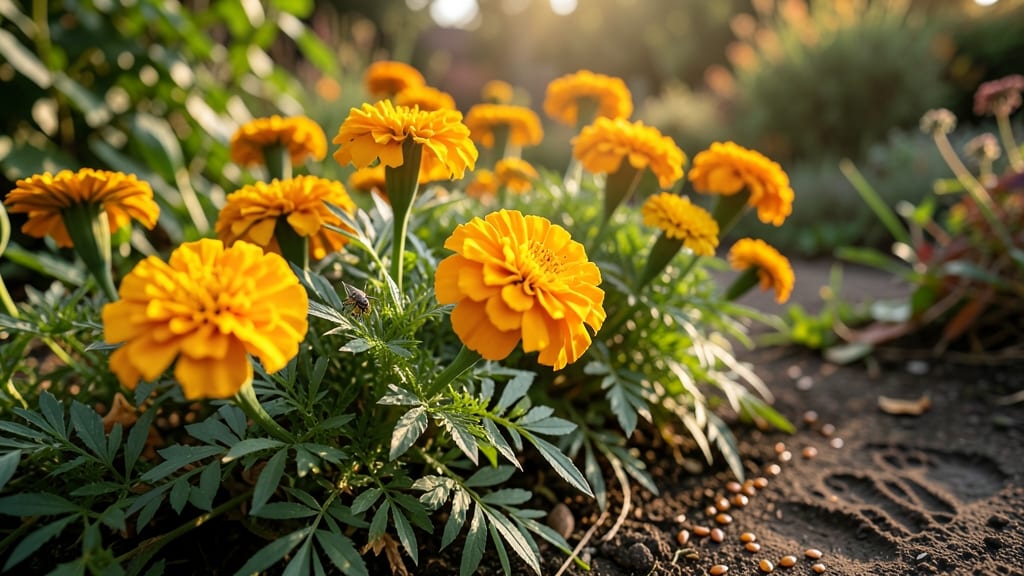
If you’re tired of battling garden pests like aphids and rabbits, marigolds are your secret weapon—packing a double punch of beauty and protection. These cheerful, orange and gold blooms thrive in September’s mild weather while keeping unwanted critters at bay, making them ideal for edible gardens and vegetable patches.
Marigolds release a natural chemical that repels aphids, nematodes, and even rabbits, while their strong scent masks the aroma of nearby vegetables like tomatoes and peppers. Plant them in full sun with well-draining soil, and they’ll reward you with continuous blooms until frost. For extra pest control, intersperse them every few feet among your veggies—nature’s built-in bug spray! 🌻
Sedum ‘Autumn Joy’ for Succulent Drama
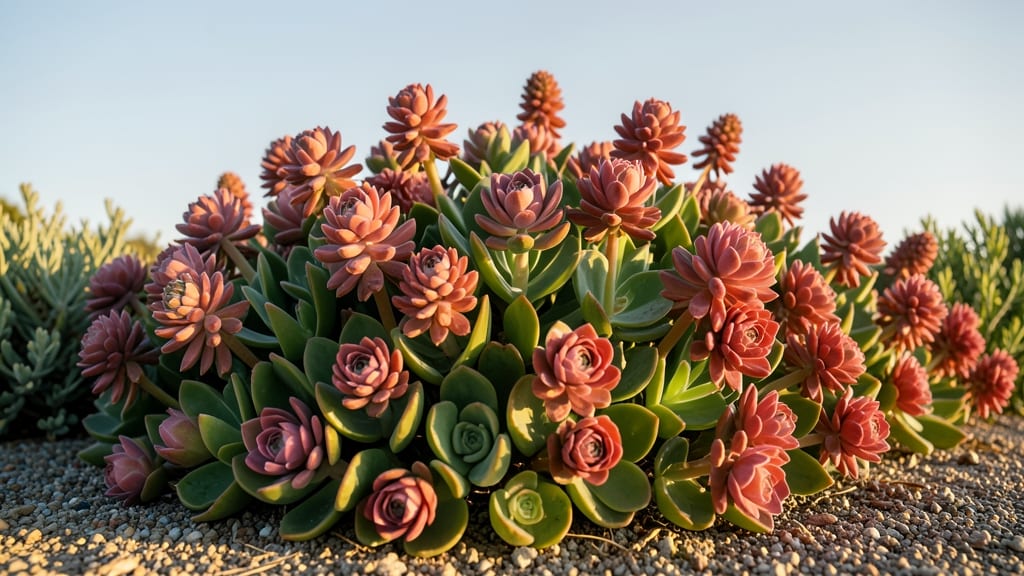
When your garden needs a drought-proof burst of color that lasts well into fall, Sedum ‘Autumn Joy’ delivers with its striking pinkish-red blooms. Unlike finicky flowers, this succulent thrives in full sun and well-drained soil, making it ideal for modern landscapes, rock gardens, or even urban containers where water is scarce.
Plant it in late spring after the last frost, spacing clumps 18-24 inches apart for a full, cascading effect. The blooms start green but deepen to coppery-pink by September, providing three weeks of vibrant color when most flowers have faded. Prune back faded stems in early fall to encourage next year’s growth—no deadheading required!
Perfect for low-maintenance gardeners or those with dry, rocky soil, this succulent also attracts pollinators like bees and butterflies. Add it to borders, slopes, or even as a ground cover for year-round structure and minimal fuss. 💚
Cosmos ‘Bright Lights’ for Rainbow Borders
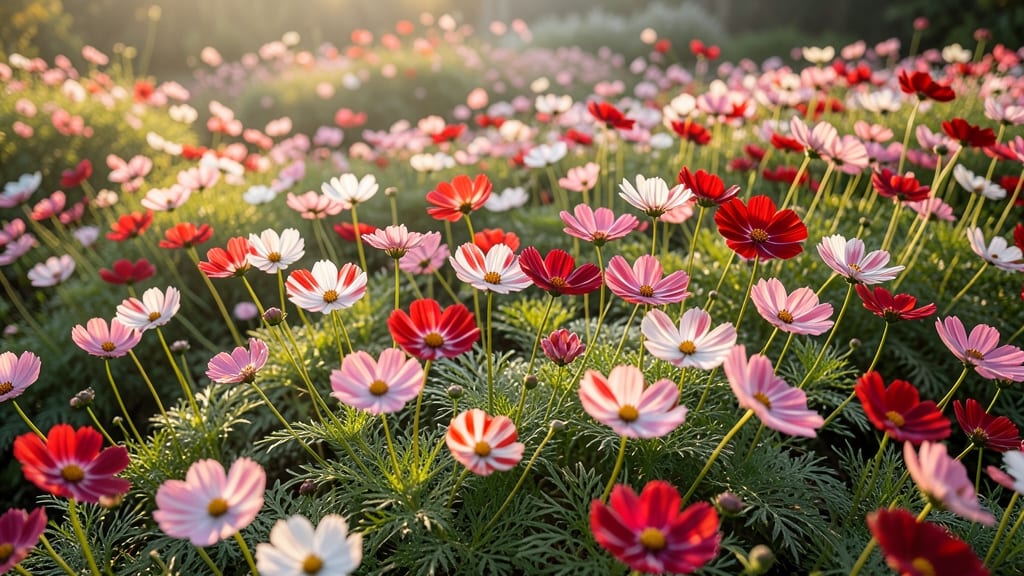
Want a self-seeding flower that turns your borders into a rainbow while requiring almost no effort? Cosmos ‘Bright Lights’ delivers bold, striped petals in pink, white, and red that thrive in September’s crisp air and keep blooming until frost.
These cheerful annuals thrive in full sun to partial shade and tolerate poor soil, making them perfect for cutting gardens or adding vertical interest to fall arrangements. Simply snip stems for long-lasting bouquets—their airy stems hold up beautifully in vases. Plus, they’ll drop seeds to return next year, creating a low-maintenance display.
Ideal for beginners or busy gardeners, Cosmos ‘Bright Lights’ brings effortless color to beds, containers, or wildflower patches. 🌻
Dahlia ‘Café au Lait’ for Luxurious Late Blooms

Craving a luxurious late-September bloom that feels like a whisper of autumn elegance? The dahlia ‘Café au Lait’ delivers velvety cream-and-pink petals that transform patios and bouquets into showstoppers. Unlike many dahlias, this variety thrives in containers, making it perfect for urban balconies or wedding arrangements that need a refined touch.
Plant tubers in well-draining soil after the last frost, ensuring they receive 6 hours of sun daily for optimal blooms. Deadhead spent flowers to encourage more blooms, and stake taller varieties to prevent flopping. This dahlia’s disease-resistant nature means fewer pesticides, and its long vase life keeps cut stems fresh for days.
Ideal for gardeners who love high-impact, low-maintenance flowers, ‘Café au Lait’ bridges the gap between summer abundance and fall’s quieter beauty. 🌷