
Blooming
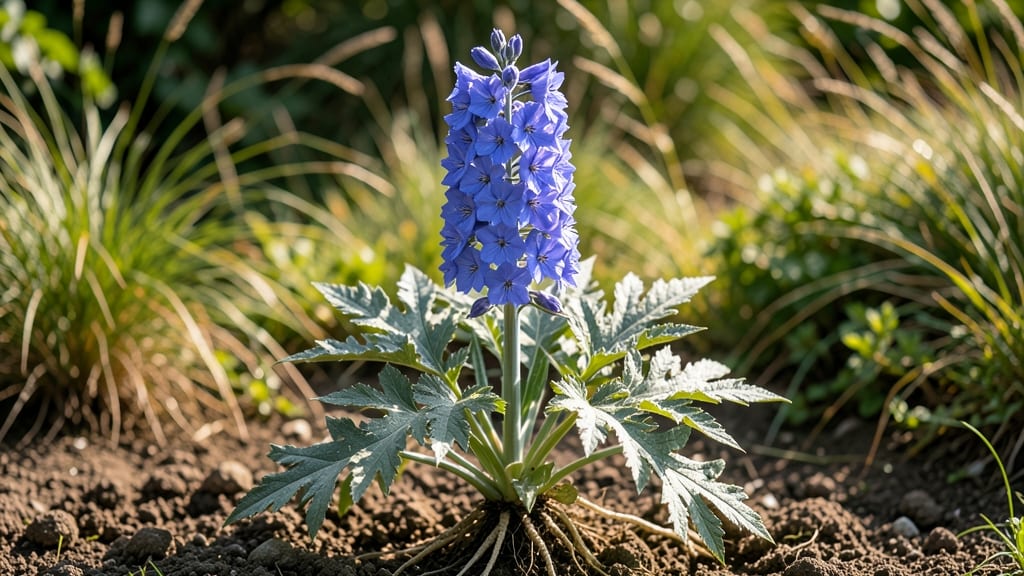
Delphinium flowers bloom in late spring to summer 🌸, but the exact timing depends on when you plant and your local climate—especially if you deal with late frosts.
If you've ever waited impatiently for those towering spikes of blue and purple to emerge, only to watch them wilt under a surprise frost, you're not alone. The key is choosing cold-start varieties that push through chilly soil and bloom earlier, giving you stunning color without the gamble.
Most delphiniums need 60-90 days of warm weather to flower, but hardy types like 'Pacific Giant' or 'Black Knight' can start blooming as early as May in cooler zones, while traditional varieties wait until June or July.
Below, I’ll break down how to pick the right variety for your area, adjust planting times to beat frost, and keep those blooms coming all summer—no more lost seasons!
When delphinium flowers bloom: best cold-start varieties by month
If you've ever planted delphiniums only to watch frost nip your blooms before they open, you're not alone. The key to success lies in choosing cold-start varieties that defy late frosts and bloom earlier.
These hardy types thrive in USDA Zones 3-7, giving you stunning blue, purple, and white spikes without the wait. Let's explore the best frost-resistant varieties and their ideal bloom times by month.
Delphiniums are famously late bloomers, but some varieties start flowering as early as late May in cooler climates. The secret? Planting cold-hardy cultivars that tolerate 30°F temperatures and even light frosts.
These varieties often bloom 2-4 weeks earlier than traditional types, making them perfect for gardeners in Zones 3-5 with unpredictable springs.
Below is a detailed comparison of the best cold-start delphinium varieties, including their typical bloom windows and regional adjustments. Use this as your guide to timing plantings and protecting young shoots from late frosts.
For gardeners in USDA Zone 3, where late frosts are common, focus on Pacific Giant and Sapphire. These varieties often bloom as early as late May, giving you a head start. In Zone 4, you can extend your bloom time by planting <
How to extend delphinium bloom time in frost-prone areas
Living in a frost-prone zone doesn’t mean you have to miss out on stunning delphinium blooms. With the right strategies, you can push your plants to flower earlier and extend their bloom time by weeks.
The key lies in preparing your soil, protecting tender growth, and choosing the right companions to create an optimal growing environment for these cold-sensitive beauties.
Delphiniums naturally thrive in cooler climates, but late frosts can delay or even prevent blooming. By implementing a few targeted techniques—like early soil warming, frost protection, and smart post-bloom care—you can trick your plants into flowering sooner and keeping those vibrant spikes around longer.
Let’s dive into the actionable steps that work in my own Zone 5 garden.
- 1 Start seeds indoors 8-10 weeks before last frost for earlier transplanting and a head start on growth.
- 2 Use black plastic mulch in early spring to warm soil faster and protect young plants from late frosts.
- 3 Plant near heat-loving companions like lavender or Russian sage to create a microclimate that retains warmth.
- 4 Apply frost cloth at night during critical bloom weeks to shield flowers from sudden temperature drops.
- 5 Deadhead regularly to redirect energy from seed production to new flower spikes and prolong blooming season.
One of my favorite tricks is to plant delphiniums near early-blooming perennials like catmint or salvia. These companions not only create a stunning visual display but also help insulate the soil and protect young delphinium stems from late-season chills.
In my garden, this simple pairing has extended bloom time by nearly 3 weeks in frost-prone years.
After the initial flush of blooms, don’t let your delphiniums take a summer break. I’ve found that light fertilizing every 4-6 weeks with a low-phosphorus formula (like 10-20-10) keeps them producing new flower spikes well into late summer.
Pair this with consistent morning watering to prevent stress, and your delphiniums will reward you with continuous color.
For those last-minute frosts that sneak in, I rely on row covers or cloches to shield delicate blooms. Even a single night below 32°F can ruin a delphinium’s show, so don’t skip this step if your forecast calls for unseasonable cold.
With these strategies, you’ll enjoy longer, more reliable blooms—even in the most challenging climates.
Remember, the secret to extending bloom time isn’t just about protecting flowers—it’s about creating the perfect conditions for your delphiniums to thrive from day one. Start early, stay consistent, and soon you’ll have garden-height delphiniums lighting up your space from late spring to early fall.